News

The Water Reducer Revolution: Transforming Concrete from the Ground Up fosroc conplast sp430

1. The Genesis of a Modern Concrete Solution
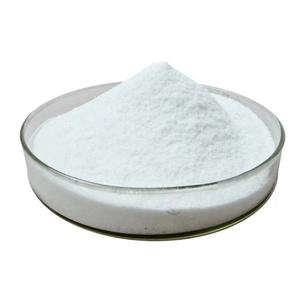

(Water Reducer)

Concrete is one of the most consumed synthetic product on Earth, second just to water in global use. Yet for all its universality, the basic chemistry of concrete has actually remained extremely consistent for over a century, till recent years brought a silent transformation in the form of advanced chemical admixtures. Among these, the water reducer stands as perhaps the most transformative advancement, essentially altering how concrete is blended, positioned, and cured across the globe’s building websites. The trip of this innovation from laboratory interest to essential building product is a story of clinical determination, market evolution, and the relentless search of structural excellence.

The modern water reducer market has turned into a multi-billion-dollar industry, with global concrete water reducers and plasticizers market projected to reach an estimated $20.07 billion in 2025, climbing up at a durable substance annual growth price of 8.6 percent via 2033. This phenomenal development mirrors not just the expansion of international construction activity however a fundamental change in just how the sector approaches concrete performance, durability, and sustainability. The water reducer, specifically in its innovative polycarboxylate kinds, has become the foundation of modern high-performance concrete, making it possible for frameworks that were previously difficult and prolonging the life span of infrastructure around the world.

Recognizing the water reducer needs appreciating its vital feature: it permits concrete to preserve workability while substantially decreasing the water web content needed for blending. This reduction in water, normally by 25 to 45 percent in high-performance formulations, considerably enhances concrete stamina, resilience, and resistance to environmental degradation. The innovation has actually evolved through three distinctive generations, from the early lignosulfonate-based reducers with the naphthalene and melamine sulfonate formulas of the 2nd generation, to the present supremacy of polycarboxylate ether-based superplasticizers that represent the 3rd and most sophisticated generation.

2. The Surge of Polycarboxylate Innovation
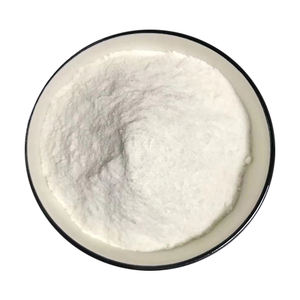

(Water Reducer)

The polycarboxylate-based water reducer represents a paradigm shift in concrete chemistry. Unlike its precursors, which relied on relatively straightforward electrostatic repulsion devices to spread cement particles, the polycarboxylate molecule uses a comb-like framework with a foundation that adsorbs onto cement bits and side chains that develop steric obstacle, a physical obstacle that protects against bit heap even more successfully than charge-based repulsion alone. This molecular architecture, created with decades of polymer chemistry study, makes it possible for remarkable diffusion with significantly lower dose prices, making polycarboxylate water reducers both more effective and more economical over the life of a concrete project.

The marketplace has actually responded enthusiastically to these benefits. The worldwide polycarboxylate ether market is projected to increase from USD 7.51 billion in 2025 to USD 9.03 billion by 2031. Within this wider category, the powder form of polycarboxylic acid water decreasing agent has emerged as a specifically dynamic section, with the global powder polycarboxylate water reducer market reaching about 795 million USD in 2025 and predicted to expand to 852 million USD in 2026, reaching 1.274 billion USD by 2032 at a compound annual development rate of 6.9 percent. Alternative forecasts suggest also stronger growth, with the solid polycarboxylate water reducer market approximated at 957 million USD in 2025 and anticipated to get to 1.569 billion USD by 2032, standing for a CAGR of 7.3 percent.

This development trajectory shows the powder form’s unique benefits over liquid options. Powdered polycarboxylate water reducers provide superior storage space stability, minimized transportation costs, and greater flexibility in application, specifically in regions where liquid handling framework is limited. The powder style additionally allows precise dosing in automated batching systems and gets rid of the requirement for specialized tank and pumping tools, making it particularly appealing for massive facilities projects and ready-mix procedures in developing markets.

3. The Development of Water Reducer Chemistry
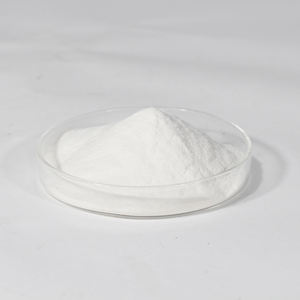

(Water Reducer)

The technological trip of the water reducer has been noted by continual advancement in molecular style and synthesis. This phase takes a look at the 3 significant generations that have defined the market, each structure upon the lessons of its precursor.

3.1 Very First Generation: Lignosulfonates and Very Early Formulations

Early generations of water reducers, mainly lignosulfonates and sulfonated naphthalene formaldehyde condensates, accomplished water decrease prices of 10 to 20 percent yet dealt with substantial limitations including bad retention of workability with time, incompatibility with particular concrete kinds, and environmental problems connected to their manufacturing procedures. These first-generation products, while revolutionary in their time, can not meet the needs of modern-day construction where high-rise buildings, long-span bridges, and complex facilities tasks call for accurate control over concrete properties throughout extended placement home windows.

3.2 Second Generation: Sulfonated Melamine and Naphthalene

The 2nd generation, including sulfonated melamine formaldehyde and boosted naphthalene-based solutions, used better efficiency however still had problem with the equilibrium between preliminary fluidity and slump retention, the maintenance of workability in time that is critical for big puts and carried concrete. These products represented a step-by-step renovation however might not attain the water reduction prices and rheological control required by progressively complex concrete layouts.

3.3 Third Generation: Polycarboxylate Ether Superplasticizers

It was the intro of polycarboxylate ether-based superplasticizers that truly changed the industry, using water decrease rates surpassing 25 percent, superb downturn retention, and compatibility with a wide range of cement make-ups. These third-generation water reducers achieve their remarkable efficiency through the previously mentioned comb-like molecular framework, where the polymer foundation supports to seal fragments while the polyethylene oxide side chains extend right into the surrounding water, developing a steric stablizing impact that keeps particle dispersion even more properly than electrostatic repulsion alone.

Recent years have actually witnessed a velocity in water reducer innovation development, driven by both efficiency needs and sustainability imperatives. Scientists have actually created unique molecular designs including star-shaped polycarboxylate superplasticizers prepared through free-radical polymerization, offering boosted dispersion efficiency and minimized level of sensitivity to seal make-up variations. Ester-ether copolymerized polycarboxylate superplasticizers stand for one more innovation, offering improved thickness decrease and low air entrainment residential properties that enhance concrete finishability and surface top quality. The advancement of tricarboxylate terminated EPEG polycarboxylate superplasticizers deals with the performance restrictions triggered by excessive side chain size in conventional formulations, where curled and broken down conformations harm spreading performance.

Maybe most considerably, scientists have actually gone after strategies to lower dependence on petroleum-based basic materials through the fostering of stiff side chain assistance and multidentate coordination securing approaches. These technologies align with more comprehensive industry fads towards sustainable building and construction products and decreased carbon footprints, as the concrete industry make up about 8 percent of worldwide carbon dioxide discharges, mainly from concrete production. By allowing reduced cement web content in concrete combinations while keeping or enhancing performance, progressed water reducers contribute straight to discharges reduction goals. The green water reducer sector has ended up being a details direction, with plan targets calling for that green admixtures comprise no much less than 70 percent of admixture usage in brand-new building jobs. Low-carbon water reducers are targeting carbon discharge intensity decreases of 45 percent contrasted to 2020 standard degrees.

4. The Manufacturing Excellence Behind Powdered Water Reducers
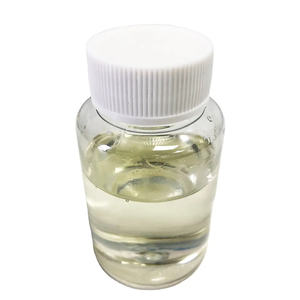

(Water Reducer)

The manufacturing of high-grade polycarboxylic acid water minimizing agent powder requires innovative production procedures that incorporate polymer chemistry experience with exact engineering controls. Advanced thermal synthesis technology, used by leading manufacturers, enables the manufacturing of powder polycarboxylate superplasticizers that display outstanding water reduction effects, remarkable depression retention, and exceptional flexibility to various cement types while keeping ecological compatibility. The manufacturing process includes the careful polymerization of monomers including acrylic acid and polyethylene glycol derivatives under controlled problems, followed by spray drying out or various other powder formation strategies that preserve the molecular structure and performance qualities of the polymer.

Quality parameters for premium powder water reducers include energetic ingredient content of 98 percent plus or minus 1 percent, moisture web content not going beyond 2 percent, and water reduction varies extending 25 to 45 percent depending upon dosage and cement kind. Alkali web content normally ranges from 3 to 5 percent, staying clear of the threat of alkali-aggregate reactions that can endanger concrete toughness. Temperature versatility from minus 20 levels Celsius to 50 degrees Celsius makes it possible for application across diverse climatic problems, from cold-weather building to hot-climate pouring. These specs show the strenuous quality requirements required for modern construction applications where concrete efficiency straight influences architectural safety and task economics.

The powder style supplies specific advantages in regards to rapid dissolution and manufacturing efficiency, with energetic ingredient concentrations dramatically more than liquid options. This concentration benefit equates to reduced product packaging, transportation, and storage space costs, making powder water reducers particularly eye-catching for large-scale infrastructure projects and export-oriented supply chains. The twelve-month service life of powder products, when correctly stored, provides extra flexibility for inventory administration and job scheduling.

5. Global Market Dynamics and Regional Trends
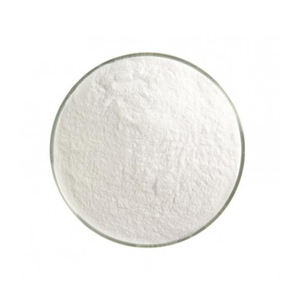

(Water Reducer)

The international water reducer market displays distinctive local attributes shaped by local building activity, regulative environments, and framework financial investment patterns. The following evaluation checks out each significant area thoroughly, highlighting growth vehicle drivers and market nuances.

5.1 Asia-Pacific Area

Asia-Pacific controls as the largest and fastest-growing market, driven by massive framework costs in China, India, and Southeast Asian nations. The area make up around 54 percent of global concrete admixture intake, with China, India, and Vietnam contributing 72.4 percent of the area’s incremental demand. This dominant placement reflects the unmatched scale of urbanization and infrastructure development across the region, where concrete intake per capita continues to climb as establishing economic situations purchase transportation networks, housing, and commercial facilities.

Within the Asia-Pacific region, China represents the globe’s largest solitary market for water reducers, with the residential concrete admixture market getting to 32.992 billion RMB in 2024, standing for 7.35 percent year-over-year growth. The marketplace is undertaking architectural optimization, with polycarboxylate-based high-performance water reducers progressively completing the alternative of second-generation naphthalene-based items. This shift shows both performance benefits and regulative pressures, as ecological criteria tighten and building and construction quality expectations rise. Regional intake patterns within China show focus in East China at 38.5 percent, South China, and North China, together accounting for over 65 percent of residential usage, with framework investment driving need in locations such as the Xiong’an area where purchase quantities increased 23.5 percent year-over-year.

India and Southeast Asian countries stand for the following frontier of development, with framework advancement accelerating throughout the area. These markets display development rates surpassing 9 percent in some segments, driven by government investment in transport, housing, and metropolitan advancement. The powder water reducer style has confirmed specifically fit to these markets, where logistics infrastructure might be less developed and where the ability to shop and transport admixtures in powder type gives substantial functional benefits. Vietnam, Indonesia, Thailand, and Malaysia have actually become vibrant markets, with import data showing Thailand at 2.80 million USD, Indonesia at 2.73 million USD, and Malaysia at 2.61 million USD in recent durations.

5.2 North America

North America stays an essential market identified by costs adoption and advanced industrial deployment. The region’s water reducer market is shaped by aging framework requiring rehab and substitute, as well as by sophisticated spec needs for high-performance concrete in commercial and institutional building and construction. The USA market for carboxylic acid water reducers is predicted to reach 170 index factors by 2035, driven by Asia-Pacific framework boom and sustained residential demand. Recent trends in the North American market consist of smarter item design, broader software and data connectivity where appropriate, careful localization of supply, and closer collaboration between makers, distributors, and finish customers. Customers significantly prefer offerings that boost use, operating continuity, performance, scalability, and solution responsiveness.

5.3 Europe

Europe remains to be formed by criteria, sustainability top priorities, and engineering-led development. The European water reducer market places certain focus on ecological efficiency, with policies driving fostering of low-carbon and green admixture technologies. The region’s mature construction market, characterized by renovation and rehabilitation activity alongside new building and construction, demands water reducers that can resolve customized applications consisting of self-consolidating concrete, high-strength concrete, and concrete with boosted durability requirements. European requirements often require ASTM-compliant water reducers, reflecting the region’s extensive top quality requirements and testing requirements.

5.4 Center East and Africa

The Center East and Africa region, while relatively small in outright terms with about 5 percent global market share, displays one of the most fast growth trajectory. The region is projected to attain a compound yearly development rate of 8.7 percent from 2025 with 2030, driven by massive building and construction jobs in Gulf states and infrastructure advancement throughout Africa. Saudi Arabia has emerged as a particularly dynamic market, with import data revealing 3.32 million USD and development of 934.1 percent in recent periods. The United Arab Emirates adheres to at 2.04 million USD with growth of 428.8 percent, showing the continuous construction boom related to diversification initiatives and significant event hosting. Cross-border ecommerce systems added approximately 7 percent of international water reducer sell 2025, with particularly considerable development in Center East and African markets. The powder layout is particularly helpful in this region, where severe temperatures and tough logistics conditions favor products with extended shelf life and simplified handling needs.

5.5 Latin America

Latin America, standing for approximately 10 percent of the international market, is expected to resume moderate development in 2026 following economic fluctuations. The region’s construction field, while smaller sized than Asia-Pacific or The United States and Canada, provides significant possibility as framework financial investment speeds up and urbanization proceeds. Brazil, Mexico, and various other major economic climates are expected to drive demand for both liquid and powder water reducers as construction task recoups and improves.

6. Competitive Landscape and Market Structure

The water reducer market features a competitive landscape that includes international leaders, regional experts, and niche service providers serving differentiated end-use needs across fully grown and emerging markets. Leading business are strengthening their positions with partnerships, procurements, and set apart offerings tailored to local and application-specific demands. Distributors contend with technology deepness, item breadth, solution capacity, and targeted innovation. The affordable intensity is raising as global brand names and particular niche experts distinguish through personalization, service deepness, and application-focused experience.
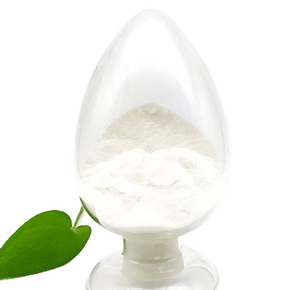

(Water Reducer)

Industry developments are centered on product improvement, careful expansion, and partnership activity as distributors reinforce positioning in the concrete water reducers market. Supply chain technique continues to be important, with diversified sourcing, closer network control, and better concentrate on connection across manufacturing and circulation. Technical progress is moving toward higher efficiency, boosted dependability, smarter controls, and less complicated assimilation right into customer workflows and operating setups. Demand is supported by substitute cycles, rising top quality expectations, and bigger adoption across infrastructure, industrial, and residential applications.

Guideline and standards remain to influence layout options, testing routines, documentation techniques, and purchase decisions across the value chain. In China, the sector has actually experienced structural optimization with polycarboxylate-based high-performance water reducers finishing alternative of second-generation items, driven by both performance needs and ecological guidelines. Cost characteristics have likewise moved positively, with ethylene rates declining 24.83 percent in January 2026 compared to the previous year, boosting profit margins for polycarboxylate water reducer manufacturers as ethylene oxide, the core resources, ends up being much more cost effective.

The powder water reducer segment provides particular opportunities for makers efficient in attaining scale while maintaining top quality consistency. The fairly higher obstacles to access in powder production, including specialized drying out devices and quality assurance systems, have actually created a much more concentrated competitive landscape than the liquid admixture market. Producers with well-known powder manufacturing capabilities, such as those employing sophisticated thermal synthesis modern technology, are well-positioned to catch growth in export markets and in regions where powder style advantages are most pronounced.

7. Sustainability and the Future of Water Reducer Modern Technology

Sustainability has emerged as the defining style for the next generation of water reducer innovation. The concrete market’s significant carbon impact, making up approximately 8 percent of worldwide discharges, has made it a focus of decarbonization efforts across the building and construction sector. Water reducers contribute to exhausts reduction in two key ways: by allowing lowered concrete content in concrete combinations while preserving performance, and by facilitating the use of auxiliary cementitious materials such as fly ash, slag, and silica fume that would certainly or else compromise workability. Every kilogram of concrete stayed clear of with optimized concrete mix style stands for approximately 0.9 kilograms of carbon dioxide exhausts avoided, making water reducer technology an important enabler of lasting construction.
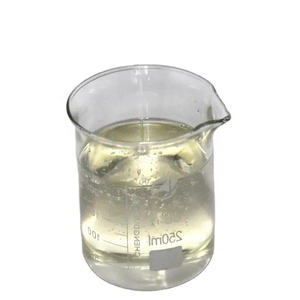

(Water Reducer)

The transition from commodity chemical dosing towards performance-engineered admixture systems shows more comprehensive industry fads towards outcome-guaranteed performance and lifecycle worth. Customers progressively seek water reducers that not just reduce water demand yet additionally boost concrete resilience, reduce leaks in the structure, and expand life span, consequently decreasing the environmental effect of maintenance and substitute over the structure’s life time. This change from price-based purchase to value-based option benefits producers efficient in showing exceptional efficiency and sustainability end results.

Digital optimization is improving the concrete admixture landscape, with producers utilizing advanced water reducers and polycarboxylate ether-based superplasticizers to achieve high-strength, self-consolidating, and low-permeability concrete while reducing water demand. Smarter product style, broader software program and data connectivity, and closer cooperation in between suppliers and finish individuals are allowing more accurate dosing and far better performance outcomes. These electronic capacities, incorporated with sophisticated water reducer chemistry, are transforming concrete from a product material right into an engineered item with foreseeable and maximized properties.

Research remains to push the boundaries of water reducer efficiency. The advancement of unique ester-functionalized polycarboxylate superplasticizers is making it possible for better control over concrete paste rheology and adaptability to exterior factors. Allyl glycidyl ether-based polycarboxylate superplasticizers have actually shown the capability to lower return anxiety and rise cement-paste spread at optimum dosage degrees, boosting fresh-state concrete efficiency. These advancements, incorporated with continuous efforts to reduce reliance on petroleum-based resources, promise to supply water reducers that are both higher-performing and much more sustainable than current offerings.

8. The Future Vision for Water Reducer Innovation
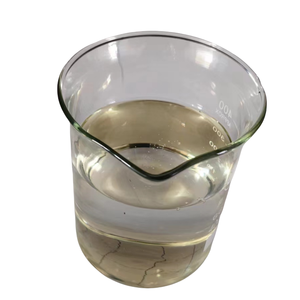

(Water Reducer)

Looking in advance, the water reducer market encounters both opportunities and obstacles. Urbanization continues to drive construction task across developing economies, while industrialized markets buy facilities revival and lasting building. The powder water reducer segment, with its logistic benefits and growing approval in vital markets, is well-positioned to record a considerable share of this growth. Nevertheless, the industry must browse basic material price volatility, fragmented need patterns, and certification or compliance obstacles that can regulate momentum.

Decarbonization will certainly stay a central chauffeur of development, with plan targets and market expectations pressing the sector towards lower-carbon remedies. Environment-friendly water reducers, low-carbon solutions, and items that allow lowered cement web content will command costs placing in increasingly sustainability-conscious markets. Makers efficient in demonstrating environmental performance together with technological excellence will be finest positioned for long-term success.

The geographic expansion of the water reducer market will certainly continue, with Center East and Africa representing one of the most dynamic development frontier. Cross-border shopping and enhanced logistics networks are making it much easier for suppliers to reach consumers in emerging markets, while neighborhood production capacities are developing in feedback to expanding need. The powder format, with its superior transportation business economics and storage features, will play an increasingly crucial duty in serving these distant markets.

Inevitably, the water reducer story is just one of continuous enhancement and adaptation to transforming market demands. From the very early lignosulfonate formulations to today’s sophisticated polycarboxylate ether superplasticizers, the technology has actually developed to meet the demands of a market that builds the world’s cities, bridges, and infrastructure. As sustainability imperatives improve the construction sector, water reducer innovation will certainly continue to develop, allowing more powerful, much more durable, and more lasting concrete for future generations. The powder polycarboxylic acid water lowering agent, representing the pinnacle of existing innovation, stands all set to lead this change, supplying remarkable efficiency with reduced ecological influence throughout the globe’s construction sites.

The industry’s trajectory recommends continued debt consolidation amongst leading producers, raised investment in r & d, and expanding emphasis on client collaboration and application assistance. Firms that integrate technical quality with market responsiveness and sustainability leadership will specify the following chapter of water reducer technology. For clients ranging from international building companies to neighborhood ready-mix drivers, the option of water reducer technology will increasingly show not simply instant efficiency requirements yet long-lasting sustainability objectives and lifecycle expense considerations.

In this progressing landscape, the powder polycarboxylic acid water lowering representative stands as a testimony to what chemical innovation can accomplish. Its molecular design, fine-tuned with decades of polymer science, allows concrete that is more powerful, extra long lasting, and a lot more sustainable than anything feasible with earlier modern technologies. As the globe constructs for the future, water reducer technology will remain an important enabler of the frameworks that shelter, connect, and sustain human activity.

9. An Individual Reflection from the Creator
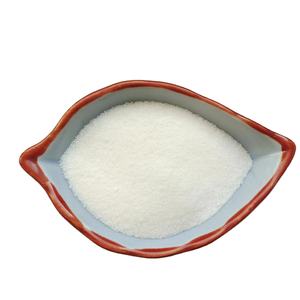

(Water Reducer)

When I developed this business, I saw a fundamental void between what concrete could attain and what it was providing on building and construction sites around the world. The vision was easy: produce a water reducer that would transform concrete from a variable, unforeseeable material into an engineered service with consistent, dependable performance. Today, viewing our powder polycarboxylic acid water lowering agent enable more powerful, extra durable, and even more sustainable concrete across five continents, I take pride in what our team has completed and delighted wherefore lies ahead.

The trip from laboratory principle to international industry requirement has actually been challenging, yet every obstacle conquered has actually enhanced our commitment to quality, development, and customer partnership. Our powder polycarboxylate superplasticizer stands for not simply an item however a philosophy: that superior chemistry, incorporated with deep understanding of customer needs, can construct a much better globe. As we seek to the future, we stay specialized to progressing water reducer innovation, minimizing environmental influence, and assisting our customers accomplish phenomenal results with every put. The tale of the water reducer is far from complete, and we are recognized to continue composing it alongside the engineers, service providers, and building contractors that trust our products to supply efficiency where it matters most.

10. Supplier

Cabr-Concrete is a supplier of Concrete Admixture with over 12 years of experience in nano-building energy conservation and nanotechnology development. It accepts payment via Credit Card, T/T, West Union and Paypal. TRUNNANO will ship the goods to customers overseas through FedEx, DHL, by air, or by sea. If you are looking for high quality Concrete Admixture, please feel free to contact us and send an inquiry.
Tags: superplasticizer, water reducer, water reducing agent, concrete additives

All articles and pictures are from the Internet. If there are any copyright issues, please contact us in time to delete.

Inquiry us

Error: Contact form not found.
News

Titanium Dioxide The Two-Faced Crystal That Shapes Our World shandong jinhai titanium resources technology co ltd

1. The Hidden Duality of Titanium Dioxide


(Titanium Dioxide)

Every white wall, every sunscreen bottle, every glossy magazine web page shares a trick that lots of people never ever discover. The white pigment that colors our world is not a solitary material however two entirely various materials putting on the very same chemical mask. Titanium dioxide, one of the most widely used white pigment in the world, exists in 2 crystal kinds that can not be extra various if they tried. Exact same formula, exact same atoms, same white powder appearance. Yet one form scatters light like a mirror while the other breaks down pollution like a chemical military. One lasts for years under the ruthless sun while the various other changes and develops under warm. This duality is not a manufacturing crash. It is nature’s present to materials scientific research, and comprehending it has ended up being the structure of every little thing we do at NanoTrun. The story of titanium dioxide is the tale of 2 crystals defending dominance in every application, and the story of our brand name is the story of learning to harness both.

2. The Discovery That Transformed Every Little Thing

Our trip began not in a lab but in an inquiry that had actually puzzled researchers for generations. Why does the exact same chemical substance produce such different outcomes? When titanium dioxide was very first manufactured in the late 19th century, no one comprehended that they were dealing with two various crystal frameworks. The white powder they produced was simply white powder. But as applications increased and failings installed, a pattern arised. Some sets of titanium dioxide developed great white paints that lasted for several years. Various other sets, made by the same process, produced paints that yellowed and broke within months. Some examples showed odd photocatalytic residential properties that seemed to clean surface areas. Others remained inert and passive. The mystery of titanium dioxide consumed years of research study. By the mid-twentieth century, X-ray crystallography finally exposed the reality. The atoms in titanium dioxide could prepare themselves in 2 essentially various ways. Anatase, with its open, large lattice, permitted light and electrons to move openly. Rutile, with its dense, firmly packed framework, spread light with unparalleled performance and resisted everything the environment could toss at it. This discovery was not merely scholastic. It was the trick that opened real capacity of titanium dioxide. For the first time, scientists might select the right crystal kind for the ideal application rather than presuming and wishing. At NanoTrun, we developed our whole approach around this selection.

3. From Mineral to Work of art


(Titanium Dioxide)

The makeover of titanium dioxide from raw mineral to crafted material is one of the most remarkable industrial procedures ever before established. Titanium dioxide does not emerge from the ground ready for use. It has to be removed, refined, and converted into its final crystal type with procedures that demand precision at every step. The sulfate process and the chloride process are the two main courses to titanium dioxide production, each with its very own advantages and difficulties. However the genuine art exists not in removal however in control. Controlling the crystal structure of titanium dioxide requires recognizing the thermodynamics that regulate its formation. Anatase is the metastable form, the crystal that exists since it is kinetically favored at reduced temperature levels. Warm it above approximately six hundred levels Celsius, and anatase undertakes a permanent transformation into rutile. This makeover is one-way. Rutile, as soon as created, stays rutile for life. This solitary fact forms the whole titanium dioxide market. For applications that call for the photocatalytic task of anatase, producers must thoroughly regulate temperature levels to stop early improvement. For applications that require the toughness and concealing power of rutile, producers intentionally drive the improvement to conclusion. At NanoTrun, we have actually grasped both courses. Our production centers can produce high-purity anatase with specifically managed particle size, rutile with unmatched opacity, and also mixed-phase products that combine the most effective of both globes. The gas-phase synthesis method we utilize for our fumed titanium dioxide items develops nanoparticles with anatase and rutile coexisting in the same bit, an accomplishment that needs nanometer-level control over temperature level, house time, and forerunner concentration. This is not chemistry. This is art.

4. The Crystal That Cleans Up the Globe

Anatase titanium dioxide carries a power that couple of materials can match. When revealed to ultraviolet light, anatase creates electron-hole sets that react with water and oxygen to generate very responsive varieties. These species– hydroxyl radicals and superoxide ions– are chemical weapons that break down organic toxins, eliminate germs, and break down volatile organic compounds with fierce performance. This is photocatalysis, and anatase is its indisputable champion. The open crystal framework of anatase allows photogenerated fee carriers to reach the surface area quicker than in any various other titanium dioxide form. This suggests more reactions, faster destruction, and much better performance in real-world conditions. We have seen anatase titanium dioxide change buildings into air-purifying machines. Coatings consisting of anatase on structure facades constantly damage down nitrogen oxides from lorry exhaust, decreasing smoke formation in urban environments. We have seen anatase titanium dioxide in self-cleaning glass that remains clear without chemical cleansers, breaking down organic dirt imaginable’s rays. We have seen anatase titanium dioxide in water treatment systems that damage pharmaceutical deposits and pesticides that standard techniques can not touch. We have actually seen anatase titanium dioxide in healthcare centers offering passive antimicrobial protection that never ever breaks and never ever needs reapplication. The applications are as diverse as the toxins they battle. Indoor air quality, wastewater treatment, food security, and even next-generation solar cells all take advantage of the one-of-a-kind homes of anatase titanium dioxide. However anatase has a weak point. Its photocatalytic task, so useful in regulated applications, ends up being an obligation when titanium dioxide is utilized as a pigment. The same reactive varieties that break down pollutants additionally strike the natural binders in paints and finishes, causing chalking, yellowing, and premature failure. This is why anatase titanium dioxide, in spite of its amazing photocatalytic properties, can not serve as a pigment for exterior applications. The very high quality that makes it a hero in one context makes it a villain in another. This is the duality of titanium dioxide, and it is the factor our work at NanoTrun matters.

5. The Crystal That Shields the Globe

Rutile titanium dioxide takes a different method to shielding our world. Instead of assaulting toxins, rutile protects surfaces from degradation. Its dense, snugly packed crystal structure offers it the highest refractive index of any kind of white pigment, enabling it to spread light with phenomenal efficiency. This is concealing power, the ability to supply opacity and whiteness with very little material. Suppliers that pick rutile titanium dioxide accomplish the same insurance coverage with much less pigment, lowering costs and enhancing solution versatility. But concealing power is only the beginning. Rutile titanium dioxide absorbs ultraviolet radiation, securing the underlying substrate from photodegradation. In exterior paints, this indicates longer life, much better shade retention, and minimized maintenance. In plastics, this suggests items that stand up to yellowing and embrittlement under sunlight. In sun blocks, this suggests broad-spectrum UV protection that maintains skin secure from damage. The chemical stability of rutile titanium dioxide is equally excellent. It withstands attack by acids, alkalis, and many solvents, making it ideal for the most requiring applications. Marine finishings, commercial flooring paints, auto finishes, and architectural finishes all depend upon rutile titanium dioxide for their efficiency and longevity. When you see a white wall surface that remains white for decades, you are seeing rutile titanium dioxide at the workplace. When you see a white plastic component that withstands yellowing every year, you are seeing rutile titanium dioxide at the office. When you see a sunscreen that offers trustworthy UV protection, you are seeing rutile titanium dioxide at the office. The prominence of rutile titanium dioxide in the pigment market is not unintended. It is the outcome of unparalleled performance throughout the homes that matter most to formulators and end individuals. Yet rutile has its very own limitations. Its dense framework, so important for toughness, reduces photocatalytic task to negligible degrees. Rutile titanium dioxide can unclean air, damage down contaminants, or supply antimicrobial security. It is a guard, not a sword. This is not a weak point. It is a specialization, and understanding this field of expertise is vital to picking the best titanium dioxide for any kind of application. At NanoTrun, we aid our clients make this option everyday.

6. The Power of 2 Crystals Working Together


(Titanium Dioxide)

The most amazing growth in titanium dioxide science is neither pure anatase nor pure rutile but the mix of both. When anatase and rutile exist side-by-side in the same fragment, something impressive happens at the user interface between both crystal phases. The joint works as a pathway where photogenerated electrons transfer from anatase to rutile, lowering cost recombination and raising overall photocatalytic efficiency. This is the synergistic impact, and it has transformed our understanding of what titanium dioxide can attain. Research on flame-synthesized titanium dioxide nanoparticles has actually confirmed that blended anatase-rutile phases show a lot higher activity in photocatalytic responses than either phase alone. The user interface in between the crystals effectively divides fee service providers, allowing more of them to take part in helpful reactions rather than recombining and wasting their power. Our TR-AT 50 product exhibits this method. With anatase and rutile existing together in a ratio maximized via years of academic research, TR-AT 50 delivers photocatalytic efficiency that surpasses what either crystal kind can attain independently. The particular anatase-to-rutile ratio in TR-AT 50 closely matches the composition that study has actually identified as supplying the most effective photocatalytic efficiency. This is not an approximate formula. It is the result of systematic study into the ideal equilibrium between anatase and rutile. The combined crystal approach extends beyond simple mixtures. Our gas-phase synthesis method creates nanoparticles where anatase and rutile are intimately mixed at the nanometer range, creating user interfaces throughout the fragment quantity. This makes best use of the collaborating effect and delivers performance that homogeneous products can not match. The applications of mixed crystal titanium dioxide are broadening quickly. Air purification, water treatment, self-cleaning surface areas, and antimicrobial finishings all benefit from the enhanced activity of mixed-phase products. As we remain to fine-tune our synthesis approaches and enhance our crystal proportions, we expect blended crystal titanium dioxide to play a progressively important function in ecological removal and lasting innovation. The future of titanium dioxide is not a choice in between anatase and rutile. It is the combination of both.

7. From Our Laboratory to Your Sector

NanoTrun did not end up being a leader in titanium dioxide by accident. We spent years in comprehending the crystal chemistry that governs anatase and rutile development. We developed production facilities capable of regulating crystal structure at the atomic degree. We developed analytical techniques to define bit dimension, crystal stage, and surface chemistry with unmatched accuracy. And we paid attention to our customers, learning the particular obstacles they faced in their industries. The paint manufacturer battling with outside durability. The building and construction company seeking self-cleaning structure materials. The water treatment plant needing to get rid of emerging contaminants. The healthcare center calling for passive antimicrobial defense. Each client offered a special issue, and each problem needed a special titanium dioxide remedy. Often the response was high-purity anatase with regulated photocatalytic task. Often the response was rutile with optimum concealing power and climate resistance. Sometimes the answer was a blended crystal material integrating the most effective of both worlds. We do not use a single item and case it resolves every issue. We provide a profile of titanium dioxide items, each optimized for details applications, and we work with our consumers to select the best item for their needs. This customer-centric method has actually made us the depend on of producers worldwide. From Europe to Asia, from The United States And Canada to the Middle East, firms rely on NanoTrun titanium dioxide to deliver regular performance set after batch. Our quality control systems make sure that every shipment satisfies the requirements our clients call for. Our technological assistance group assists clients incorporate our items into their solutions. Our r & d group continuously boosts our items and creates brand-new ones to fulfill emerging needs. This is not simply a service. It is a partnership.

8. The Worldwide Impact of Titanium Dioxide

Titanium dioxide touches virtually every industry on Earth. The paint and coverings market consumes the biggest share, using titanium dioxide to offer brightness, opacity, and sturdiness to architectural, auto, and industrial layers. The plastics industry uses titanium dioxide to shade and secure every little thing from product packaging to vehicle components to durable goods. The paper market uses titanium dioxide to produce brilliant, nontransparent paper products. The cosmetics sector utilizes titanium dioxide in sunscreens, foundations, and various other personal care items. The building and construction industry utilizes titanium dioxide in self-cleaning glass, photocatalytic concrete, and air-purifying building products. The water treatment industry uses titanium dioxide in innovative oxidation procedures that damage emerging pollutants. The health care sector utilizes titanium dioxide in antimicrobial finishes for health centers and centers. The overall global market for titanium dioxide exceeds twenty billion dollars yearly, and need remains to grow as brand-new applications emerge. This development is driven by the special residential properties of titanium dioxide that nothing else product can reproduce. No other white pigment supplies the mix of refractive index, chemical security, and UV absorption that rutile offers. No other photocatalyst offers the combination of activity, stability, and nontoxicity that anatase supplies. No other material can be engineered to switch over in between these functions based upon crystal framework and synthesis approach. Titanium dioxide is irreplaceable, and its value to modern-day sector will just increase as ecological regulations tighten up and sustainability ends up being extra vital. At NanoTrun, we are honored to play a role in this international sector, offering high-grade titanium dioxide products that enable our consumers to construct far better items and a far better world. Our reach expands across continents, and our online reputation for high quality and dependability has actually made us a favored provider to several of the biggest suppliers on the planet. Yet we never forget that our success depends upon the success of our customers. When they succeed, we do well.

9. The Scientific Research That Drives Us Forward


(Titanium Dioxide)

The science of titanium dioxide is far from full. Scientists all over the world continue to uncover new residential or commercial properties and brand-new applications for this impressive material. Doping titanium dioxide with various other aspects can extend its photocatalytic task into the noticeable light spectrum, making it valuable under interior illumination problems. Developing titanium dioxide nanostructures with regulated morphology can improve its efficiency in solar cells and battery electrodes. Developing titanium dioxide compounds with various other materials can create multifunctional finishes that integrate photocatalytic activity with other buildings. The pace of discovery is increasing, and the business applications of these explorations are increasing swiftly. At NanoTrun, we invest greatly in research and development to stay at the forefront of titanium dioxide science. Our R&D group functions closely with scholastic partners to discover new synthesis techniques, brand-new crystal frameworks, and brand-new applications. We have submitted licenses on novel titanium dioxide solutions and synthesis processes. We have released documents in peer-reviewed journals and offered our searchings for at global meetings. This dedication to scientific research is not nearly remaining competitive. It is about advancing the field and producing worth for our clients. Our company believe that the very best means to serve our consumers is to comprehend titanium dioxide better than anyone else, and that means continuous investment in research, analysis, and technology. The titanium dioxide of tomorrow will be various from the titanium dioxide these days. It will be much more energetic, more steady, more careful, and much more lasting. It will enable applications we can not yet visualize. And NanoTrun will certainly be there, leading the way.

10. What Our company believe

Titanium dioxide is greater than a chemical substance. It is a device for constructing a far better world. The white pigment that colors our wall surfaces secures them from deterioration. The photocatalyst that cleanses our air breaks down toxins that harm our health. The UV filter that guards our skin prevents damages that brings about cancer cells. These are not small things. They are the structures of modern life, and they rely on the selection in between anatase and rutile. At NanoTrun, our company believe that choosing the right titanium dioxide for the ideal application is the most crucial decision a formulator can make. Our company believe that understanding the crystal structure of titanium dioxide is vital to opening its full possibility. We believe that innovation in titanium dioxide synthesis and application will certainly drive progress in environmental remediation, lasting energy, and public health. And our team believe that our function is to supply the best quality titanium dioxide products and the inmost technical expertise to assist our clients prosper. These beliefs lead whatever we do, from our research and development to our customer support to our commitment to sustainability. We are not just a distributor of titanium dioxide. We are a companion in progress.

Words of Our Founder

Roger Luo, Ceo of NanoTrun, assesses the trip that developed this firm. I established NanoTrun because I saw that titanium dioxide can change the globe if we found out to control its crystal kinds. We have done that, and we are just beginning.


()

11. Provider

TRUNNANO is a globally recognized Molybdenum Disulfide manufacturer and supplier of compounds with more than 12 years of expertise in the highest quality nanomaterials and other chemicals. The company develops a variety of powder materials and chemicals. Provide OEM service. If you need high quality Molybdenum Disulfide, please feel free to contact us. You can click on the product to contact us.
Tags: titanium dioxide,titanium titanium dioxide, TiO2

All articles and pictures are from the Internet. If there are any copyright issues, please contact us in time to delete.

Inquiry us

Error: Contact form not found.

News

The Unbreakable Bond: Nitride Bonded Ceramic and Silicon Carbide Ceramic calcined alumina uses

Introduction: The Titans of Advanced Products

In the high-stakes field of commercial engineering, where friction, warmth, and rust wage a relentless war on equipment, two materials stand as the best protectors. Nitride Bonded Ceramic and Silicon Carbide Ceramic are not just items; they are the end result of years of scientific search to understand the harshest settings understood to industry. These sophisticated porcelains stand for the frontier of product science, using a shelter of stability where conventional steels stop working. From the hot warmth of aerospace generators to the abrasive fury of hefty machinery, these ceramics are the unnoticeable guardians of efficiency. This tale is about the duality of strength, the contrast between strength and conductivity, and exactly how these two distinctive products forge the foundation of contemporary industrial development. We look into the world where severe efficiency is not optional but necessary.


(Silicon Carbide Ceramics)

Brand Name Origin: Forging the Future from Fire and Science

Our journey started in a globe constricted by the limitations of standard materials. In the early days of industrial expansion, engineers were bound by the exhaustion of steels, the brittleness of early compounds, and the fast deterioration triggered by chemical exposure. The creators of our brand, a collective of visionary chemists and designers, checked out the landscape of production and saw a requirement for a revolution. They believed that to construct a lasting, high-performance future, we needed to look beyond the table of elements of steels and delve into the world of innovative porcelains. The inception of our brand was marked by a singular obsession: to produce products that could withstand the difficult. We started with the basic building blocks of Silicon and Carbon, and Silicon and Nitrogen, looking for to unlock their surprise possibility. The very early years were a crucible of trial and error, manufacturing substances that could resist the deterioration of industrial giants. It was this relentless quest that led us to the mastery of Nitride Bonded Ceramic and Silicon Carbide Porcelain. We progressed from a tiny lab curiosity right into an international pressure, driven by the requirement to offer services for the most requiring applications on earth. Our brand beginning is not simply a history; it is a testimony to the human spirit’s wish to overcome the components.

The Genesis of Development. The path to perfection was not straight. We witnessed the change from rudimentary refractories to the innovative, engineered products we create today. As markets demanded higher temperature levels, faster rates, and more corrosive processes, our r & d groups reacted. We spearheaded brand-new approaches to bond silicon with nitrogen and silicon with carbon, developing frameworks of unmatched honesty. This period of discovery was defined by a deep understanding of crystallography and thermal dynamics. We discovered that by controling the atomic framework, we might tailor materials to details needs. This was the minute our brand identity solidified. We were no longer just makers; we were designers of longevity, crafting the very products that would certainly make it possible for the future generation of industrial equipment to work at peak efficiency. This tradition of innovation is embedded in every piece of ceramic we generate.

Core Refine: The Alchemy of Extreme Engineering

The creation of Nitride Bonded Ceramic and Silicon Carbide Ceramic is a harmony of accuracy, a complex dance of chemistry and physics that transforms raw powders into the hardest materials in the world. This is not an easy production procedure; it is a controlled improvement where warmth, pressure, and time converge to produce excellence. Every set is a testament to our strenuous quality assurance and our deep understanding of material scientific research. We begin with the purest resources, picking specific grades of silicon, carbon, and nitrogen substances to guarantee the final product satisfies our rigorous requirements. The procedure is a fragile balance, where temperatures reach extremes and ambiences are very carefully controlled to cultivate the growth of details crystal structures. This is the secret behind our products’ fabulous efficiency. We do not simply make porcelains; we craft solutions particle by molecule.

The Making of Nitride Bonded Ceramic. The procedure of producing Nitride Bonded Ceramic, frequently described as Response Bound Silicon Nitride, is a marvel of thermal design. It begins with a finely milled powder of silicon, which is very carefully shaped into the desired form with accuracy molding techniques. This environment-friendly body is after that put in a high-temperature heating system, where it is subjected to a nitrogen-rich environment. As the temperature climbs up, a wonderful transformation occurs. The silicon bits react with the nitrogen gas, creating a network of silicon nitride crystals. This nitriding process is very carefully regulated to ensure total conversion while preserving the form and integrity of the element. The outcome is a product that preserves the shape of the initial silicon but possesses the incredible strength, thermal security, and wear resistance of silicon nitride. This unique procedure allows us to create complicated shapes with very little contraction, making Nitride Bonded Porcelain an economical option for high-stress applications without giving up efficiency.

The Synthesis of Silicon Carbide Porcelain. Silicon Carbide Porcelain, on the various other hand, is built in a much more extreme atmosphere. The synthesis of SiC entails integrating silicon and carbon at temperature levels surpassing 2000 degrees Celsius. This process, known as the Acheson process or with sophisticated sintering methods, forces the atoms of silicon and carbon to bond in a crystalline lattice of remarkable hardness. The key to our superior Silicon Carbide is in the control of the grain borders and the pureness of the crystal framework. We make use of advanced sintering aids and hot-pressing methods to get rid of porosity, developing a dense, impenetrable material. This product is renowned for its thermal conductivity, 2nd just to ruby in some forms. The process is energy-intensive and calls for immense accuracy, yet the result is a material that offers extreme solidity, phenomenal thermal monitoring, and unparalleled resistance to chemical attack. It is this extensive synthesis that makes Silicon Carbide the product of option for the most hostile industrial environments.

Tailoring Properties for Performance. We recognize that a person size does not fit all in the commercial world. Therefore, our core process consists of the capacity to customize the microstructure of both Nitride Bonded Ceramic and Silicon Carbide Porcelain to fulfill certain customer needs. For applications calling for maximum sturdiness, we craft the grain dimension and circulation to resist crack breeding. For atmospheres with severe chemical direct exposure, we modify the grain limit chemistry to boost inertness. This degree of customization is what sets our brand apart. We function very closely with our customers to comprehend the certain stress and anxieties their parts will face, and we adjust our production processes appropriately. Whether it is improving the electrical conductivity of Silicon Carbide for semiconductor applications or enhancing the thermal shock resistance of Nitride Bonded Porcelain for vehicle engines, our procedure is made to provide the excellent material option for every single distinct obstacle.


( nitride bonded ceramic)

Worldwide Effect: The Quiet Enablers of Industry

The impact of Nitride Bonded Ceramic and Silicon Carbide Porcelain extends much beyond the. These products are embedded in the facilities of the contemporary world, quietly making it possible for the technologies that drive our economic climates. From the wind turbines that generate our power to the lorries that carry us, our ceramics are the unsung heroes of industrial integrity. We determine our success not simply in sales, yet in the countless hours of continuous operation our products offer to industries worldwide. We are the quiet companions underway, guaranteeing that the makers of industry run smoother, last longer, and carry out much better than ever before. Our international influence is defined by the efficiency and longevity we offer one of the most critical applications in the world.

Power Generation and Power. In the realm of energy, dependability is vital. Our Silicon Carbide Porcelain plays a vital role in power generation, specifically in gas generators and atomic power plants. Its capacity to stand up to high temperatures and stand up to deterioration makes it suitable for turbine blades and gas cladding. Moreover, Silicon Carbide’s outstanding thermal conductivity makes it an important component in warm exchangers, permitting extra reliable energy transfer and lowered waste. In the semiconductor market, our Silicon Carbide is transforming power electronics, allowing smaller sized, faster, and extra efficient devices that are essential for the green power shift. Without our products, the efficiency gains in contemporary power plants and the advancement of renewable resource innovations would certainly be substantially hampered. We are the foundation upon which the future of tidy energy is being built.

Transportation and Automotive. The vehicle market is going through a revolution, driven by the requirement for effectiveness and efficiency. Our Nitride Bonded Porcelain goes to the heart of this improvement. Made use of in turbochargers, piston rings, and engine seals, it allows engines to run hotter and faster without the risk of failure. This equates straight into boosted fuel performance and minimized discharges. In electric vehicles, our Silicon Carbide ceramics are made use of in high-power transistors, managing the flow of power with minimal loss. This modern technology extends the range of EVs and reduces charging times. Additionally, Silicon Carbide is used in high-performance stopping systems for high-end and auto racing automobiles, providing premium stopping power and resistance to use. We are accelerating the future of transport, one high-performance element at once.

Aerospace and Defense. In the aerospace industry, where weight and strength are important, our ceramics are important. Nitride Bonded Porcelain is made use of in the best areas of jet engines, where it offers the toughness to withstand enormous stress and the thermal security to resist melting. Its high strength-to-weight proportion makes it excellent for aerospace applications where every gram matters. Similarly, Silicon Carbide is made use of in the armor plating of military lorries and personnel protection, offering superior ballistic resistance contrasted to typical steel. Its solidity and lightweight supply a degree of protection that is unequaled. We are defending the skies and the ground, making sure that the makers of protection and expedition can operate in the most severe problems you can possibly imagine.

Future Vision: The Knowledge of Materials

As we look to the perspective, our vision for Nitride Bonded Ceramic and Silicon Carbide Ceramic is among combination and intelligence. We see a future where these products are not just easy components yet active participants in the systems they live in. The following frontier is the growth of wise porcelains, materials that can notice their very own stress, repair micro-cracks autonomously, and interact their health condition to operators. We are looking into the combination of nanotechnology into our ceramic matrices, producing products with self-healing abilities and enhanced functionality. Moreover, we are exploring additive manufacturing methods, such as 3D printing ceramics, to produce complicated geometries that were previously difficult to produce. This will certainly open new design possibilities for designers, allowing them to create lighter, more powerful, and much more effective frameworks. Our future vision is a world where ceramics are the enablers of a smarter, much more sustainable, and much more resilient industrial ecological community.

Sustainability and Environment-friendly Production. The future of market is environment-friendly, and our products are at the forefront of this motion. We are dedicated to reducing the ecological impact of making via the advancement of more energy-efficient production processes for our ceramics. Furthermore, we are focused on developing longer-lasting parts that decrease the need for frequent substitutes, therefore decreasing waste. Our Silicon Carbide ceramics are crucial for the growth of much more efficient electrical motors and power converters, which are key to reducing global power consumption. We visualize a round economic situation where our porcelains are made for disassembly and recycling, making certain that the important products we use today can be reused for generations to find. We are not just building a future; we are constructing a lasting tradition for the planet.


( Silicon Carbide Ceramics)

Chief executive officer Self-Narrative: The Roger Luo Statement

Roger Luo, the visionary leader of our brand, stands at the intersection of material science and industrial application. With a career devoted to nanotechnology and progressed engineering, his journey is specified by an unrelenting quest of perfection. He believes that real step of a product is not in its hardness, however in its capability to address real-world problems. His vision for the brand is to make innovative porcelains accessible and vital for each market. Under his advice, the business has actually changed from belonging supplier to being a remedies supplier. He is driven by the need to see his products enabling the technologies of tomorrow, from tidy power to area expedition. His philosophy is basic: if we can make it stronger, lighter, and a lot more long lasting, we can make the globe a much better place. This is the driving force behind every development, every item, and every decision made within the firm. Roger Luo is not simply leading an organization; he is shaping the future of just how we build and create.
Vendor

Advanced Ceramics founded on October 17, 2012, is a high-tech enterprise committed to the research and development, production, processing, sales and technical services of ceramic relative materials such as calcined alumina uses. Our products includes but not limited to Boron Carbide Ceramic Products, Boron Nitride Ceramic Products, Silicon Carbide Ceramic Products, Silicon Nitride Ceramic Products, Zirconium Dioxide Ceramic Products, etc. If you are interested, please feel free to contact us.

Tags:reaction bonded silicon nitride,silicon nitride,nitride bonded ceramic

All articles and pictures are from the Internet. If there are any copyright issues, please contact us in time to delete.

Inquiry us

Error: Contact form not found.
News

Frozen Fate: Can You Use Admixtures After Freezing?

The process of admixtures after freezing can be a complex issue that varies depending on the specific admixture, the nature of the material it’s being added to, and the conditions under which they were frozen. Admixtures, in the context of construction materials like concrete or in food processing, are substances that are added to enhance certain properties such as strength, workability, or durability. When these materials are subjected to freezing, they undergo a series of physical changes that can affect their ability to accept additional admixtures.


Frozen Fate: Can You Use Admixtures After Freezing?

(Frozen Fate: Can You Use Admixtures After Freezing?)

### Concrete Admixtures

In the realm of construction, admixtures for concrete, such as superplasticizers, air-entraining agents, and retarders, play crucial roles in optimizing the concrete mix. Once concrete has been frozen and thawed, its microstructure can become altered, potentially affecting its ability to absorb further admixtures. For instance, superplasticizers might not perform optimally if the concrete has already experienced significant hydration, as freezing and thawing can disrupt the hydration process. Air-entraining agents could also lose effectiveness if the ice crystals formed during freezing damage the air bubbles they create, impacting the concrete’s freeze-thaw resistance.

### Food Admixtures

In the food industry, admixtures such as flavorings, colorants, and preservatives are used to enhance product quality and shelf life. When food products are frozen, they undergo a transformation that can influence the uptake of additional additives. For example, when adding flavors to a frozen dessert, the texture changes caused by freezing might affect how well the flavor binds with the base, potentially requiring adjustments in concentration or type of flavoring agent used.

### General Considerations

1. **Material Compatibility**: The compatibility between the frozen material and the new admixture is crucial. Some additives might not mix well with the already altered structure of the material post-freezing.
2. **Physical State**: The state of the admixture (solid, liquid) matters. For instance, some liquid admixtures might not be able to penetrate effectively into the pores of a solidified material.
3. **Thermal Effects**: Freezing can change the thermal properties of materials, affecting the performance of temperature-sensitive admixtures.
4. **Chemical Reactions**: Some admixtures might undergo chemical reactions during or after the freezing process that could alter their effectiveness or even cause harm to the material.

### Conclusion


Frozen Fate: Can You Use Admixtures After Freezing?

(Frozen Fate: Can You Use Admixtures After Freezing?)

The use of admixtures after freezing depends on a multitude of factors including the type of admixture, the nature of the material, and the specifics of the freezing and thawing process. It’s often advisable to conduct tests or pilot studies to assess the impact of using admixtures post-freezing before implementing them on a larger scale. This ensures that the final product maintains its desired properties and meets the required standards.
Inquiry us
if you want to want to know more, please feel free to contact us. (nanotrun@yahoo.com)

News

Strength Surge: How Admixtures Impact Concrete’s Durability

Strength Surge: The Impact of Admixtures on Concrete’s Durability Parameter


Strength Surge: How Admixtures Impact Concrete’s Durability

(Strength Surge: How Admixtures Impact Concrete’s Durability)

Concrete, the most widely used construction material globally, is known for its strength and durability. However, its performance can be significantly influenced by various factors, one of which is the use of admixtures. Admixtures are chemical substances added to concrete during or after mixing to improve its properties or reduce costs. They play a crucial role in enhancing the overall durability of concrete, making it more resilient against environmental and mechanical stresses.

Durability refers to the ability of a material to maintain its structural integrity and resist damage over time under specified conditions. In the context of concrete, durability parameters such as resistance to cracking, corrosion, and degradation due to freeze-thaw cycles, chemical attack, and biological activity are critical. Admixtures contribute to these parameters in several ways:

1. **Improving Workability**: Admixtures like plasticizers and superplasticizers enhance the workability of fresh concrete, allowing for better placement and compaction. This leads to reduced air voids and improved density, contributing to higher durability.

2. **Enhancing Strength and Resistance**: Admixtures like calcium chloride and potassium chloride can improve the early-age strength of concrete, accelerating its hardening process. This results in a stronger, more resilient structure that can withstand greater loads and stresses.

3. **Reducing Chloride Penetration**: Chloride ions can cause corrosion of embedded steel reinforcement in concrete structures. Admixtures containing chloride inhibitors prevent this ingress, significantly reducing the risk of corrosion and extending the service life of the concrete.

4. **Protecting Against Chemical Attack**: Admixtures like alkali-resistant admixtures help mitigate the effects of alkali-silica reaction (ASR), a common cause of concrete swelling and cracking. This ensures that concrete structures remain stable and safe over long periods.

5. **Enhancing Freeze-Thaw Resistance**: Admixtures that increase the water-to-cement ratio or contain air entraining agents create a microstructure with numerous small, isolated air bubbles. These air pockets provide a barrier against water ingress during freezing and thawing cycles, preventing concrete from cracking.

6. **Biological Activity Mitigation**: Admixtures that inhibit the growth of fungi, bacteria, and algae can protect concrete surfaces from degradation caused by biological activity. This is particularly important in environments where moisture and organic matter are abundant.


Strength Surge: How Admixtures Impact Concrete’s Durability

(Strength Surge: How Admixtures Impact Concrete’s Durability)

In conclusion, the strategic use of admixtures in concrete formulations can significantly boost its durability parameters. By improving workability, enhancing strength, reducing chloride penetration, protecting against chemical attack, mitigating freeze-thaw damage, and inhibiting biological activity, admixtures ensure that concrete structures stand the test of time. As technology advances, the development of new and innovative admixtures will continue to push the boundaries of what is possible in terms of concrete’s durability and performance.
Inquiry us
if you want to want to know more, please feel free to contact us. (nanotrun@yahoo.com)

News

Color Change Chronicles: Does Adding Admixtures Alter Concrete’s Hue?

Concrete, known for its durability and strength, is also valued for its versatility in color. This allows it to blend seamlessly into various architectural designs and environments. One way to achieve this color customization is by adding admixtures to the concrete mix. These additives can significantly influence the hue of the final product, offering a wide range of options beyond the standard grey.


Color Change Chronicles: Does Adding Admixtures Alter Concrete’s Hue?

(Color Change Chronicles: Does Adding Admixtures Alter Concrete’s Hue?)

Admixtures are chemical substances that are added to concrete during the mixing process. They serve multiple purposes such as improving workability, enhancing durability, and altering the appearance of the concrete. When it comes to color, admixtures play a crucial role. These colorants can be organic or inorganic pigments, which are specifically formulated to impart color to the concrete.

Organic pigments are typically derived from natural sources and are used for exterior applications due to their resistance to weathering. They provide vibrant hues and can be blended to create a spectrum of colors. On the other hand, inorganic pigments are often made from metal oxides or carbonates and are more suitable for interior applications. These pigments offer a more stable color and are less likely to fade over time, making them ideal for long-term projects.

The process of adding admixtures to change the color of concrete involves carefully measuring and incorporating the pigments into the concrete mix. The amount of pigment required depends on the desired color intensity and the type of pigment used. It’s important to note that while admixtures can significantly alter the hue, they do not change the fundamental properties of the concrete, such as its strength and durability.

Incorporating color into concrete through admixtures offers several benefits. It enhances the aesthetic appeal of buildings and structures, making them more visually appealing. This can be particularly useful in urban environments where concrete is a common building material. Additionally, using color in concrete can help differentiate areas within large projects, improving wayfinding and aesthetics. It also allows for creative expression, enabling architects and designers to incorporate unique design elements into their projects.

However, it’s essential to consider the environmental impact of using colored concrete. While the addition of admixtures does not inherently harm the environment, it’s important to use sustainable practices throughout the entire process, from sourcing materials to disposal. Choosing eco-friendly pigments and ensuring responsible waste management are crucial steps in maintaining an environmentally conscious approach.


Color Change Chronicles: Does Adding Admixtures Alter Concrete’s Hue?

(Color Change Chronicles: Does Adding Admixtures Alter Concrete’s Hue?)

In conclusion, the addition of admixtures to concrete provides a versatile means of altering its hue, offering architects and designers a wide array of color options. This not only enhances the aesthetic appeal of buildings but also allows for creative expression and differentiation within projects. By carefully considering the use of these admixtures and their environmental impact, the benefits of colored concrete can be fully realized without compromising sustainability.
Inquiry us
if you want to want to know more, please feel free to contact us. (nanotrun@yahoo.com)

News

Slump Saver: Do Admixtures Always Decrease Slump?

Admixtures in concrete are chemical substances that are added to the mix during production to improve certain properties of the concrete. These admixtures can include things like air entraining agents, plasticizers, retarders, and superplasticizers. One of the most common questions regarding admixtures is whether they always decrease the slump of concrete. The answer to this question is nuanced and depends on several factors.


Slump Saver: Do Admixtures Always Decrease Slump?

(Slump Saver: Do Admixtures Always Decrease Slump?)

Slump is a measure of the workability of fresh concrete. It indicates how easily the concrete flows and can be poured without segregating or losing its consistency. A higher slump value means the concrete is more fluid and easier to handle, whereas a lower slump value suggests the concrete is less workable but might offer better structural integrity.

Admixtures can influence slump in various ways:

1. **Superplasticizers**: These are the most common admixtures used to increase slump while maintaining or improving concrete’s other properties like strength and durability. Superplasticizers work by reducing the water required for the same workability, thus increasing the slump without compromising the concrete’s internal structure.

2. **Air Entrainers**: Air entraining admixtures introduce tiny air bubbles into the concrete, which help in resisting freeze-thaw damage. This process does not necessarily decrease slump; rather, it affects the concrete’s density and porosity. The impact on slump would depend on the specific application and the balance between air content and water content.

3. **Retarders**: Used to slow down the setting time of concrete, retarders typically do not directly affect the slump. However, they allow for more time to handle the concrete, which indirectly could lead to a higher slump if the conditions require more fluidity.

4. **Plasticizers**: These admixtures reduce the water demand for achieving the desired slump, thus increasing the workability of the concrete without significantly altering its strength characteristics.

5. **Fly Ash and Silica Fume**: These are examples of mineral admixtures that can replace a portion of the cement in the mix. While they don’t necessarily decrease slump, they can modify the concrete’s rheology, potentially leading to changes in slump based on the specific mix proportions and the type of admixture used.


Slump Saver: Do Admixtures Always Decrease Slump?

(Slump Saver: Do Admixtures Always Decrease Slump?)

In conclusion, the effect of admixtures on slump is not universally one-directional. The type of admixture, the specific formulation of the concrete mix, and the construction context all play significant roles in determining whether an admixture will increase, decrease, or have no significant impact on the slump of concrete. Understanding these nuances is crucial for achieving optimal concrete performance tailored to specific applications and requirements.
Inquiry us
if you want to want to know more, please feel free to contact us. (nanotrun@yahoo.com)

News

Admixture Arsenal: Discovering the Tools in Concrete

Admixture Arsenal: Unveiling the Tools in Concrete Parameters


Admixture Arsenal: Discovering the Tools in Concrete

(Admixture Arsenal: Discovering the Tools in Concrete)

Concrete, an indispensable material in construction, is essentially a mixture of cement, water, and aggregate. However, its properties can be significantly enhanced through the addition of admixtures – substances that improve or modify the characteristics of the concrete mix without changing its basic composition. The admixture arsenal plays a crucial role in ensuring the durability, workability, and strength of concrete structures. This article delves into the various tools within this arsenal, focusing on their functions and benefits.

1. **Cement Admixtures**: These are primarily used to improve the flowability, setting time, and chemical resistance of concrete. Common types include superplasticizers, which enhance workability while reducing water content; air-entraining agents, which increase durability by creating small, stable air bubbles; and retarders, which extend the setting time for better handling and finishing.

2. **Water Admixtures**: Water reducers are the most common type, which decrease the amount of water needed for a given slump, thus improving strength and durability. Other water additives may include water repellents to enhance resistance against moisture penetration.

3. **Aggregate Admixtures**: These include coatings that improve the bond between aggregates and cement paste, enhancing the overall strength of the concrete. Also, admixtures like fiber reinforcements add tensile strength to concrete, making it more resistant to cracking under tension.

4. **Chemical Admixtures**: These are used to enhance specific properties such as corrosion protection, fire resistance, and freeze-thaw resistance. Corrosion inhibitors protect steel reinforcement from rust, while fire retardants slow down the spread of fire. Freeze-thaw admixtures prevent the formation of ice crystals that can cause damage over time.

5. **Air-Entraining Admixtures**: As mentioned earlier, these admixtures create a network of tiny air bubbles within the concrete matrix. This not only improves the concrete’s resistance to freezing and thawing but also increases its impact resistance and reduces permeability.

6. **Early Age Strength Enhancers**: These admixtures accelerate the hydration process of cement, leading to faster development of strength. They are particularly useful in applications where early strength gain is critical, such as in cold weather conditions or when rapid construction is required.

7. **Coloring Admixtures**: For aesthetic purposes, admixtures that change the color of the concrete are used. These can be natural pigments or synthetic dyes, offering a wide range of color options.

8. **Foaming Admixtures**: These admixtures introduce foam into the concrete, which can be beneficial in applications such as lightweight concrete, where reduced density and improved insulation properties are desired.


Admixture Arsenal: Discovering the Tools in Concrete

(Admixture Arsenal: Discovering the Tools in Concrete)

In conclusion, the admixture arsenal provides a versatile toolkit for optimizing concrete properties tailored to specific construction needs. By carefully selecting and applying the appropriate admixtures, engineers and contractors can ensure that concrete structures are not only durable and strong but also cost-effective and sustainable.
Inquiry us
if you want to want to know more, please feel free to contact us. (nanotrun@yahoo.com)

News

Chemical Catalysts: Unraveling the Secrets of Concrete Admixtures

Concrete admixtures play a crucial role in enhancing the performance and properties of concrete. Chemical catalysts, as a part of these admixtures, work behind the scenes to facilitate chemical reactions that improve the workability, strength, and durability of the material. The secrets of concrete admixture parameters often revolve around understanding the nature and function of these catalysts.


Chemical Catalysts: Unraveling the Secrets of Concrete Admixtures

(Chemical Catalysts: Unraveling the Secrets of Concrete Admixtures)

Chemical catalysts are substances that increase the rate of chemical reactions without being consumed in the process. In the context of concrete, they can influence various stages of the manufacturing process, including mixing, setting, hardening, and curing. For instance, accelerators are a type of chemical catalyst used in concrete admixtures. These substances speed up the chemical reactions that lead to the setting and hardening of concrete, thus reducing the time needed for construction activities.

Another category of chemical catalysts is retarders. These substances slow down the setting and hardening process of concrete, which is particularly useful in cold weather conditions or when precise control over the curing time is required. By controlling the reaction rates, retarders allow for more flexibility in construction schedules.

In addition to accelerators and retarders, other chemical catalysts might include air-entraining agents that help create small bubbles within the concrete, improving its resistance to freeze-thaw cycles and salt attacks. Superplasticizers, another type of admixture, act as catalysts by significantly increasing the fluidity of concrete without requiring a higher water content, leading to better workability and reduced porosity.

The effectiveness of chemical catalysts in concrete admixtures is determined by several parameters, including their concentration, compatibility with other admixtures, and the specific conditions under which they are applied. Factors such as temperature, humidity, and the type of cement used also influence how these catalysts perform.

Understanding and optimizing these parameters is essential for engineers and construction professionals to achieve desired outcomes in terms of strength, durability, and overall quality of the concrete structure. With advancements in research and development, new chemical catalysts are continuously being discovered, offering even more possibilities for enhancing concrete’s properties and sustainability.


Chemical Catalysts: Unraveling the Secrets of Concrete Admixtures

(Chemical Catalysts: Unraveling the Secrets of Concrete Admixtures)

In conclusion, chemical catalysts are indispensable components of concrete admixtures, enabling the optimization of various concrete characteristics. Their effective utilization requires a deep understanding of their mechanisms and the ability to fine-tune admixture parameters to suit specific construction needs and environmental conditions. As technology continues to evolve, so too will our knowledge and application of chemical catalysts in concrete, unlocking new possibilities for innovative and sustainable construction practices.
Inquiry us
if you want to want to know more, please feel free to contact us. (nanotrun@yahoo.com)

News

Freeze Frame: Admixtures for Freezing and Thawing Resistance

Freeze frame technology is widely used in various industries including construction, food processing, and pharmaceuticals to ensure that materials maintain their integrity when subjected to freezing and thawing cycles. This process requires the use of admixtures which enhance the material’s resistance to these environmental changes. The key parameters that determine the effectiveness of these admixtures include freeze-thaw durability, thermal stability, and compatibility with the base material.


Freeze Frame: Admixtures for Freezing and Thawing Resistance

(Freeze Frame: Admixtures for Freezing and Thawing Resistance)

Admixtures play a crucial role in preventing the formation of ice crystals within materials during freezing and thawing processes. These ice crystals can cause significant damage by exerting mechanical stress on the material, leading to cracking and degradation over time. To counteract this, admixtures are added to the material before freezing. They work by altering the nucleation sites for ice crystal formation, promoting the growth of larger, less damaging crystals or inhibiting crystal growth altogether.

Thermal stability is another critical parameter. Admixtures must be able to withstand the extreme temperature fluctuations associated with freezing and thawing without losing their effectiveness. This includes maintaining their chemical composition and physical properties throughout the cycle to ensure consistent performance.

Compatibility is equally important. The admixture must not only function effectively but also blend seamlessly with the base material. Compatibility ensures that the admixture does not alter the material’s desired properties or cause adverse reactions during the freezing and thawing process. Testing and selection of the appropriate admixture are therefore essential to achieve optimal results.

To evaluate the effectiveness of freeze frame admixtures, several methods are employed. These include laboratory testing, such as determining the number of freeze-thaw cycles a material can withstand before showing signs of damage, and field testing, where the material is subjected to real-world conditions to assess its long-term performance.


Freeze Frame: Admixtures for Freezing and Thawing Resistance

(Freeze Frame: Admixtures for Freezing and Thawing Resistance)

In conclusion, freeze frame admixtures are vital components in ensuring that materials remain intact and functional after undergoing freezing and thawing cycles. By focusing on parameters such as freeze-thaw durability, thermal stability, and compatibility, these admixtures provide the necessary protection to maintain the structural integrity and functionality of materials across various applications.
Inquiry us
if you want to want to know more, please feel free to contact us. (nanotrun@yahoo.com)