Submit

tungsten oxide msds

TUNGSTEN OXIDE (WO3) MATERIAL SAFETY DATA SHEET (MSDS/SDS) KEY POINTS


tungsten oxide msds

(tungsten oxide msds)

**PRODUCT IDENTIFICATION:** Chemical Name: Tungsten(VI) Oxide. Synonyms: Tungstic anhydride, Tungsten trioxide. Formula: WO3. CAS No.: 1314-35-8. Common Uses: Ceramics, catalysts, coatings, electronics, gas sensors.

**HAZARDS IDENTIFICATION:** Generally considered low hazard. Low acute toxicity. May cause mechanical irritation to eyes, skin, or respiratory tract. Dust may cause coughing or sneezing. Not classified as flammable or explosive under normal conditions. Chronic inhalation of high dust levels may potentially cause lung effects (pneumoconiosis), but low likelihood with typical handling.

**HANDLING & STORAGE:** Handle to minimize dust generation. Avoid breathing dust. Use adequate ventilation, especially in enclosed spaces. Local exhaust ventilation recommended for significant dust generation. Store in a cool, dry, well-ventilated place. Keep container tightly closed. Store away from incompatible materials like strong reducing agents. Stable under recommended conditions.

**EXPOSURE CONTROLS / PERSONAL PROTECTION:** Engineering Controls: Use local exhaust ventilation. General room ventilation usually sufficient for small amounts. Personal Protective Equipment (PPE): Safety glasses with side shields. Consider chemical goggles if significant dust splash risk. Wear gloves (nitrile, neoprene suggested). Wear protective clothing to prevent skin contact. Use dust respirator (NIOSH N95 or equivalent) if ventilation is inadequate and exposure limits are exceeded or dust is bothersome.

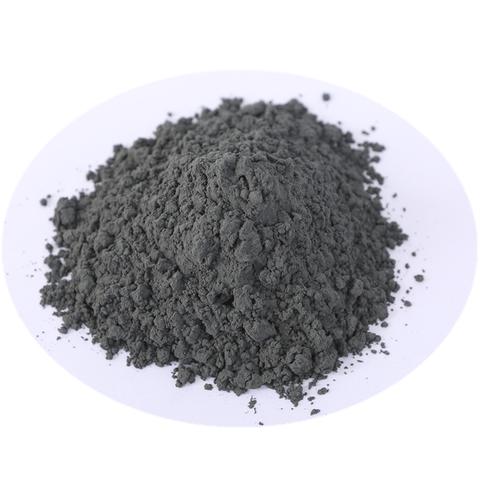
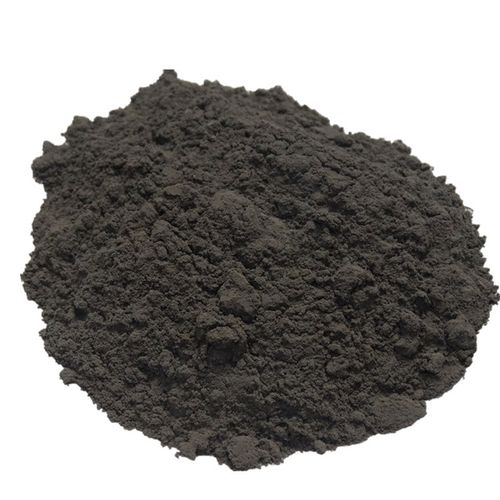
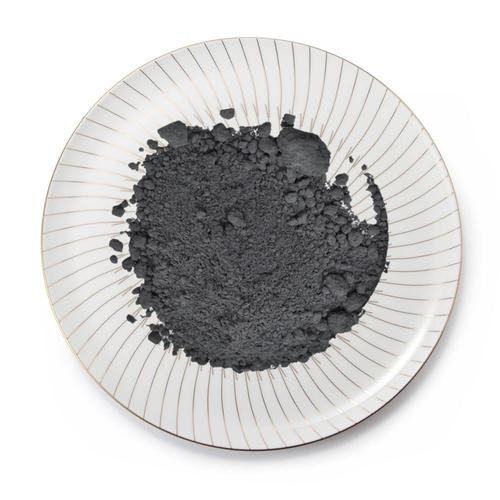
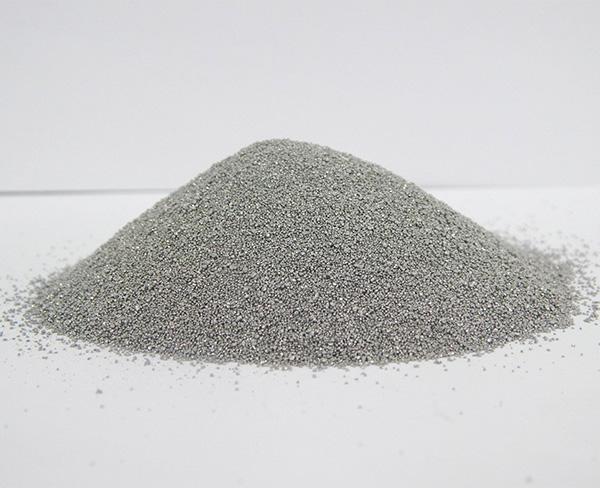
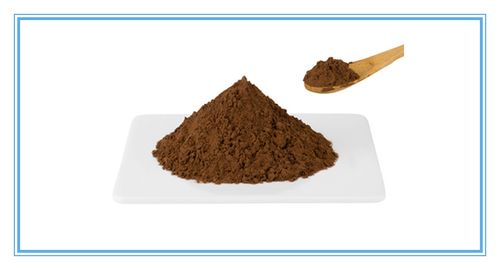
**PHYSICAL & CHEMICAL PROPERTIES:** Appearance: Yellow crystalline powder or chunks. Odor: Odorless. Solubility: Insoluble in water, slightly soluble in alkaline solutions. Melting Point: ~1473°C (2683°F). Density: ~7.2 g/cm³.

**STABILITY & REACTIVITY:** Stable under normal conditions. Incompatible with strong reducing agents, strong acids, active metals (e.g., aluminum, magnesium). May react vigorously. No hazardous decomposition under normal use.

**FIRST AID MEASURES:** Eyes: Flush immediately with plenty of water for at least 15 minutes. Seek medical attention if irritation persists. Skin: Wash off with soap and plenty of water. Inhalation: Move to fresh air. If breathing is difficult, seek medical attention. Ingestion: Rinse mouth. Do NOT induce vomiting. Seek medical advice.

**SPILLS:** Wear appropriate PPE. Avoid raising dust. Sweep up or vacuum carefully using equipment with HEPA filtration. Place in suitable container for disposal. Prevent material from entering drains or waterways.

**DISPOSAL:** Dispose of waste material according to all applicable local, regional, national (e.g., RCRA), and international regulations. Consult authorities.


tungsten oxide msds

(tungsten oxide msds)

**ALWAYS CONSULT THE FULL, SPECIFIC SDS PROVIDED BY YOUR SUPPLIER BEFORE USE.**
Inquiry us
if you want to want to know more, please feel free to contact us. (nanotrun@yahoo.com)
Submit

wo3 nanoparticles

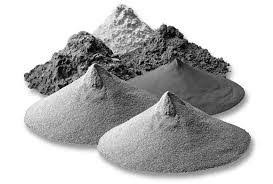
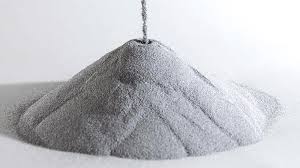
Tungsten trioxide nanoparticles, known as WO3 nanoparticles, represent a cutting-edge material with transformative potential across multiple industries. These ultrafine particles, typically ranging from 1 to 100 nanometers, exhibit exceptional properties distinct from bulk tungsten oxide. Their high surface area-to-volume ratio enhances reactivity, while tunable bandgap energy enables efficient light absorption in visible and near-infrared spectra.


wo3 nanoparticles

(wo3 nanoparticles)

WO3 nanoparticles demonstrate remarkable electrochromic behavior, dynamically changing color under electrical stimulation—ideal for smart windows that regulate building energy efficiency. Their photocatalytic prowess breaks down pollutants and pathogens under light exposure, promising advancements in water purification and air cleaning systems. Gas sensing capabilities stand out due to sensitivity to toxic gases like NO2 and NH3, enabling real-time environmental monitoring.

Synthesis methods include hydrothermal processes, sol-gel techniques, and chemical vapor deposition, allowing precise control over particle size, morphology, and crystallinity. Post-synthesis treatments further optimize performance for specific applications.

Current applications span electrochromic devices, gas sensors, photocatalysts, and battery electrodes. Research explores solar energy conversion, where WO3 nanoparticles boost photovoltaic efficiency. Biomedical studies investigate targeted drug delivery and photothermal therapy.


wo3 nanoparticles

(wo3 nanoparticles)

Challenges remain in scalable production and long-term stability. Future work focuses on surface modification, composite integration, and eco-friendly synthesis. As nanotechnology advances, WO3 nanoparticles will drive innovations in sustainable energy, environmental protection, and smart materials, solidifying their role in next-generation technologies.
Inquiry us
if you want to want to know more, please feel free to contact us. (nanotrun@yahoo.com)
Submit

MoDTP

MoDTP stands for Mobile Data Terminal Protocol, a specialized communication framework designed for efficient data exchange between mobile devices and central systems. Primarily used in logistics, transportation, and emergency services, MoDTP enables real-time information sharing critical for operational coordination. Key features include robust encryption for secure transmissions, low bandwidth optimization to function in remote areas, and error correction mechanisms ensuring data integrity despite connectivity fluctuations. This protocol supports various data types like GPS coordinates, text messages, and sensor readings, facilitating instant updates between field personnel and control centers. Benefits of MoDTP include enhanced decision-making speed, reduced communication delays, and improved resource allocation. For instance, delivery companies use it to track fleets dynamically, while firefighters rely on it for incident updates. Its lightweight architecture conserves battery life on mobile terminals, a vital advantage for extended field operations. MoDTP’s adaptability allows integration with existing infrastructure like GPS and dispatch software, minimizing deployment costs. As mobile connectivity demands grow, MoDTP remains pivotal for industries requiring reliable, instant data transfer in challenging environments. Future developments may expand its IoT applications, reinforcing its role in smart city ecosystems and automated logistics networks. Ultimately, MoDTP bridges mobile and centralized systems, driving efficiency and safety in mission-critical operations worldwide.


MoDTP

(MoDTP)

Inquiry us
if you want to want to know more, please feel free to contact us. (nanotrun@yahoo.com)
Submit

homemade mold release

Homemade mold release agents offer a budget-friendly alternative for crafters and DIY enthusiasts working with molds. These simple mixtures prevent materials like resin, plaster, or concrete from sticking to molds, ensuring clean demolding. While commercial releases exist, homemade versions use accessible ingredients. Always test on a small area first to avoid damaging molds or projects. Here are common recipes. A basic soap solution works for low-detail molds. Mix liquid dish soap with water in a 1:10 ratio. Apply with a brush or spray bottle, ensuring a thin, even coat. Let it dry before pouring material. For flexible molds or intricate details, petroleum jelly is effective. Thin it with a small amount of mineral spirits for easier application. Brush sparingly to avoid buildup in crevices. Cooking oils like vegetable oil are another option, though they may leave residue. Apply lightly with a cloth. For resin projects, a PVA glue release can help. Dilute white school glue with equal parts water, brush on, and let dry completely. This creates a temporary barrier. Remember, homemade releases have limitations. Avoid them for high-heat applications like metal casting or with certain silicones, as oils can degrade mold material over time. Reapply between uses if needed. Clean molds thoroughly after demolding with warm water and mild detergent. While homemade solutions save money, they may not match commercial products in performance for complex molds. Experiment to find what works for your specific project, prioritizing safety and mold longevity.


homemade mold release

(homemade mold release)

Inquiry us
if you want to want to know more, please feel free to contact us. (nanotrun@yahoo.com)
Submit

casting release spray

Casting release spray is a vital tool for mold makers and crafters working with resin, concrete, plaster, or silicone. This specialized aerosol spray creates a non-stick barrier between a mold and the material being cast, ensuring clean demolding without damage to intricate details. It prevents materials from bonding to mold surfaces, saving time and reducing waste from stuck projects. Ideal for reusable molds, it extends their lifespan significantly.


casting release spray

(casting release spray)

Using casting release spray is straightforward. First, ensure the mold is clean and completely dry. Shake the can vigorously for about 30 seconds to mix the formula. Hold the can 6-8 inches away and apply a thin, even coat over the entire mold surface. Avoid over-spraying, as pooling can cause imperfections. Allow the solvent to evaporate for 1-2 minutes before pouring your material. For complex molds, apply a second light coat after the first dries. Always work in a well-ventilated area and wear gloves to protect your skin.

Benefits include flawless surface finishes on casts, reduced breakage during removal, and compatibility with most mold materials like silicone, urethane, or metal. It’s non-reactive with resins or plasters, maintaining material integrity. For best results, store the spray in a cool, dry place and test on a small area if using a new mold type. Reapply every few casts if release performance weakens. Avoid using near open flames due to flammability.


casting release spray

(casting release spray)

This spray is indispensable for hobbyists and professionals alike, streamlining the casting process and ensuring consistent, high-quality results. Always follow manufacturer instructions for optimal safety and effectiveness.
Inquiry us
if you want to want to know more, please feel free to contact us. (nanotrun@yahoo.com)

Submit

concrete casting release agent

Concrete casting release agents are vital products used in formwork applications to prevent concrete from adhering to molds. Applied before pouring, they create a barrier ensuring clean, easy separation when forms are removed. Without them, concrete can bond to forms causing surface damage, increased labor, and form deterioration. Release agents function by forming a thin film or chemical layer that blocks adhesion. Several types exist. Oil-based agents are traditional but may leave residues and are less eco-friendly. Emulsion types balance ease of use and cleaner results. Solvent-based versions dry fast but pose flammability and odor risks. Water-based options are increasingly popular for low VOC emissions, easy cleanup, and environmental safety. Chemical reactive agents bond with form surfaces for efficient release. Application requires spraying, brushing, or rolling onto clean, dry forms. An even, thin coat is critical—excess can stain concrete or cause uneven finishes, while insufficient amounts risk sticking. Key factors for selection include form material compatibility (wood, steel, plastic), concrete mix design, desired surface aesthetics, and job site conditions. Benefits encompass prolonged formwork life, reduced labor costs, minimized concrete waste, and enhanced surface quality. For architectural concrete, choose agents that avoid discoloration; test small areas first. Cold climates demand freeze-resistant formulations. Storage must follow manufacturer guidelines. Modern innovations include bio-based agents from renewable resources. Always wear protective gear during handling. Following product instructions ensures optimal performance, efficiency, and high-quality concrete outcomes every time.


concrete casting release agent

(concrete casting release agent)

Inquiry us
if you want to want to know more, please feel free to contact us. (nanotrun@yahoo.com)
Submit

aerosol release agent

Aerosol release agents are essential tools in manufacturing and maintenance, offering a convenient spray solution to prevent materials from sticking to surfaces. These agents form a thin, temporary barrier between two surfaces, ensuring easy separation after processes like molding, casting, or forming. Common applications include die-casting, composite layups, rubber molding, and plastic injection. They are also used in automotive, aerospace, and construction industries for tasks like concrete formwork release or preventing adhesive buildup on equipment.


aerosol release agent

(aerosol release agent)

The aerosol format provides significant advantages. It ensures uniform, controlled application with minimal waste, reaching complex geometries and hard-to-access areas effortlessly. Quick-drying formulas reduce downtime, and the portable cans enable on-the-spot use without extra equipment. Key benefits include improved product quality by reducing surface defects, extended mold or tool life, and enhanced productivity by simplifying cleanup.

Safety and environmental considerations are critical. Opt for water-based, low-VOC (volatile organic compound) formulations to minimize health risks and environmental impact. Always use in well-ventilated areas, wear protective gear like gloves and masks, and follow manufacturer guidelines for storage and disposal. Proper application involves shaking the can, spraying evenly from a moderate distance, and avoiding excessive buildup.


aerosol release agent

(aerosol release agent)

For optimal results, select a release agent compatible with your specific materials—silicone-based for high-temperature metals, petroleum-based for general industrial use, or non-silicone options for paintable surfaces. Regular maintenance of application equipment prevents clogging. By integrating aerosol release agents into workflows, industries achieve smoother operations, reduced costs, and consistent output quality. Always prioritize eco-friendly choices to align with sustainability goals while maintaining efficiency.
Inquiry us
if you want to want to know more, please feel free to contact us. (nanotrun@yahoo.com)
Submit

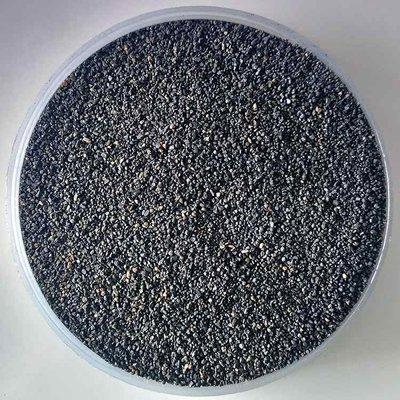
how to make concrete release agent

Making your own concrete release agent is cost effective and simple using common ingredients. Release agents prevent fresh concrete from bonding to molds or forms ensuring clean demolding and smooth finished surfaces. Always prioritize safety wear gloves and eye protection when handling chemicals. Here is a straightforward method using vegetable oil and mineral spirits.


how to make concrete release agent

(how to make concrete release agent)

Gather these materials pure vegetable oil like soybean or canola oil mineral spirits also called paint thinner a clean empty container with a tight lid and a stirring stick. The typical ratio is one part mineral spirits to two parts vegetable oil. For example mix two cups of oil with one cup of mineral spirits. Pour the oil into the container first then slowly add the mineral spirits while stirring continuously to blend them thoroughly. Avoid inhaling fumes work in a well ventilated area.

Once mixed securely close the lid and shake the container vigorously for a minute. Let it sit briefly then shake again ensuring no separation occurs. The mixture should appear uniform and slightly thinner than pure oil. Label the container clearly and store it away from heat or flames.


how to make concrete release agent

(how to make concrete release agent)

To apply use a brush sprayer or rag dampened with the agent. Coat the entire mold surface evenly but sparingly avoiding puddles which can stain concrete. Reapply between pours if using reusable forms. Test on a small area first homemade agents may vary in effectiveness compared to commercial products. Clean tools promptly with soap and water. Dispose of unused mixture responsibly following local regulations for solvents. This DIY approach saves money and works well for basic projects like stepping stones or small precast items.
Inquiry us
if you want to want to know more, please feel free to contact us. (nanotrun@yahoo.com)
Submit

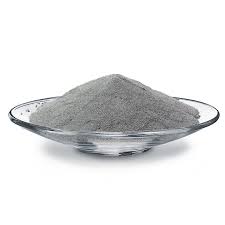
concrete powder stain colors

Concrete powder stains offer a fantastic way to transform plain concrete into vibrant, durable surfaces. Unlike paints or coatings, these acid-based chemical stains react with the minerals in the concrete itself. This reaction creates permanent, translucent color that won’t peel, chip, or fade significantly over time. The result is a unique, marbled, or variegated finish that enhances the natural texture of the concrete. Powder stains are typically mixed with water or a mild acid solution on-site just before application. They penetrate deeply into the concrete surface. The palette leans heavily towards earthy, natural tones. Expect rich terracottas and brick reds, warm tans and browns ranging from light khaki to deep coffee, subtle greens reminiscent of patina or sage, and elegant blues and blue-greens. Blacks and charcoal grays are also popular for strong contrasts. Achieving consistent color can be tricky due to the concrete’s inherent variations; this is often seen as adding character. Multiple applications or layering different colors can create incredible depth and custom effects. Sealing the stained concrete is crucial for protection and enhancing the color’s richness. Powder stains are ideal for both indoor floors and outdoor patios, driveways, and pool decks, delivering long-lasting beauty and unique aesthetics. Experimenting with application techniques like spraying, sponging, or stenciling opens up endless design possibilities. Always test your chosen color on a hidden area first.


concrete powder stain colors

(concrete powder stain colors)

Inquiry us
if you want to want to know more, please feel free to contact us. (nanotrun@yahoo.com)
Submit

best releasing agent for concrete molds

Concrete molds demand reliable releasing agents to ensure smooth demolding and preserve mold integrity. The best releasing agents prevent concrete adhesion without compromising surface finish or mold longevity. Key types include petroleum-based oils, solvent-based formulas, water-based emulsions, and biodegradable options. Petroleum oils offer strong release but often leave residue, cause staining, and pose environmental concerns. Solvent-based agents provide excellent release and quick drying but contain high VOCs, making them hazardous and less eco-friendly. Water-based agents are increasingly favored for their low VOC content, ease of cleanup, and minimal residue. They deliver consistent results without staining, though reapplication may be needed for extended pours. Biodegradable agents, derived from plant oils, combine eco-safety with effective release, ideal for sustainable projects. For most applications, high-quality water-based or biodegradable agents are optimal. They balance performance, worker safety, and environmental responsibility. When selecting, consider mold material—steel molds tolerate oil-based agents, while wood or composites benefit from gentler water-based solutions. Test compatibility first, apply thinly and evenly, and follow manufacturer guidelines. Avoid over-application to prevent surface blemishes. For architectural concrete, prioritize non-staining agents to maintain aesthetics. Cost-effectiveness matters: water-based options may cost more upfront but reduce cleanup expenses. Ultimately, the best releasing agent ensures effortless demolding, flawless concrete surfaces, and prolonged mold life while aligning with safety and sustainability goals.


best releasing agent for concrete molds

(best releasing agent for concrete molds)

Inquiry us
if you want to want to know more, please feel free to contact us. (nanotrun@yahoo.com)