World

Calcium Hexaboride (CaB₆): A Multifunctional Refractory Ceramic Bridging Electronic, Thermoelectric, and Neutron Shielding Technologies calcium hexaboride

1. Essential Chemistry and Crystallographic Style of CaB ₆

1.1 Boron-Rich Framework and Electronic Band Structure

(Calcium Hexaboride)

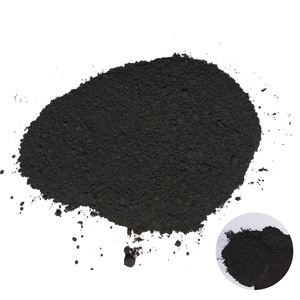
Calcium hexaboride (TAXI SIX) is a stoichiometric metal boride coming from the class of rare-earth and alkaline-earth hexaborides, identified by its unique combination of ionic, covalent, and metallic bonding attributes.

Its crystal framework embraces the cubic CsCl-type lattice (area team Pm-3m), where calcium atoms inhabit the dice corners and an intricate three-dimensional framework of boron octahedra (B ₆ units) lives at the body facility.

Each boron octahedron is made up of 6 boron atoms covalently bound in a highly symmetrical setup, forming a rigid, electron-deficient network maintained by cost transfer from the electropositive calcium atom.

This charge transfer causes a partially filled transmission band, enhancing CaB six with unusually high electrical conductivity for a ceramic material– like 10 ⁵ S/m at room temperature– regardless of its large bandgap of approximately 1.0– 1.3 eV as established by optical absorption and photoemission research studies.

The origin of this paradox– high conductivity coexisting with a substantial bandgap– has been the topic of extensive research, with theories suggesting the existence of intrinsic problem states, surface conductivity, or polaronic transmission systems including local electron-phonon combining.

Current first-principles calculations sustain a model in which the conduction band minimum derives mainly from Ca 5d orbitals, while the valence band is dominated by B 2p states, creating a narrow, dispersive band that facilitates electron flexibility.

1.2 Thermal and Mechanical Security in Extreme Conditions

As a refractory ceramic, TAXI six displays exceptional thermal stability, with a melting point going beyond 2200 ° C and negligible weight management in inert or vacuum environments up to 1800 ° C.

Its high decomposition temperature and low vapor pressure make it ideal for high-temperature architectural and functional applications where product stability under thermal stress is important.

Mechanically, TAXICAB six has a Vickers solidity of roughly 25– 30 GPa, positioning it amongst the hardest recognized borides and reflecting the stamina of the B– B covalent bonds within the octahedral structure.

The material additionally demonstrates a low coefficient of thermal development (~ 6.5 × 10 ⁻⁶/ K), contributing to excellent thermal shock resistance– a critical feature for elements based on quick home heating and cooling cycles.

These homes, incorporated with chemical inertness toward molten metals and slags, underpin its use in crucibles, thermocouple sheaths, and high-temperature sensing units in metallurgical and industrial processing environments.

( Calcium Hexaboride)

In addition, TAXI ₆ shows exceptional resistance to oxidation below 1000 ° C; nevertheless, above this threshold, surface oxidation to calcium borate and boric oxide can occur, necessitating safety layers or functional controls in oxidizing environments.

2. Synthesis Paths and Microstructural Design

2.1 Standard and Advanced Manufacture Techniques

The synthesis of high-purity CaB ₆ typically includes solid-state responses between calcium and boron forerunners at raised temperatures.

Typical techniques include the reduction of calcium oxide (CaO) with boron carbide (B ₄ C) or important boron under inert or vacuum problems at temperatures between 1200 ° C and 1600 ° C. ^
. The reaction has to be carefully controlled to prevent the formation of second stages such as taxi four or taxi ₂, which can weaken electric and mechanical performance.

Alternate techniques include carbothermal reduction, arc-melting, and mechanochemical synthesis through high-energy ball milling, which can minimize response temperatures and boost powder homogeneity.

For dense ceramic elements, sintering methods such as hot pushing (HP) or trigger plasma sintering (SPS) are used to accomplish near-theoretical density while decreasing grain growth and maintaining great microstructures.

SPS, specifically, allows quick loan consolidation at lower temperature levels and much shorter dwell times, lowering the risk of calcium volatilization and preserving stoichiometry.

2.2 Doping and Flaw Chemistry for Residential Property Adjusting

One of the most substantial advancements in taxi six research study has been the ability to customize its electronic and thermoelectric properties through deliberate doping and defect engineering.

Substitution of calcium with lanthanum (La), cerium (Ce), or other rare-earth aspects introduces surcharge service providers, considerably enhancing electric conductivity and enabling n-type thermoelectric behavior.

Similarly, partial substitute of boron with carbon or nitrogen can change the thickness of states near the Fermi degree, boosting the Seebeck coefficient and general thermoelectric figure of quality (ZT).

Innate issues, particularly calcium jobs, likewise play an essential role in establishing conductivity.

Studies suggest that taxi six often exhibits calcium shortage as a result of volatilization during high-temperature processing, causing hole conduction and p-type behavior in some samples.

Managing stoichiometry with specific ambience control and encapsulation throughout synthesis is as a result necessary for reproducible efficiency in digital and energy conversion applications.

3. Useful Characteristics and Physical Phantasm in CaB SIX

3.1 Exceptional Electron Exhaust and Field Exhaust Applications

TAXI ₆ is renowned for its reduced work feature– roughly 2.5 eV– among the lowest for secure ceramic products– making it an outstanding prospect for thermionic and field electron emitters.

This property arises from the mix of high electron focus and beneficial surface area dipole configuration, enabling reliable electron discharge at reasonably low temperatures contrasted to standard products like tungsten (work feature ~ 4.5 eV).

Therefore, CaB ₆-based cathodes are used in electron light beam tools, consisting of scanning electron microscopic lens (SEM), electron beam welders, and microwave tubes, where they supply longer lifetimes, lower operating temperatures, and greater illumination than conventional emitters.

Nanostructured taxi ₆ movies and hairs further improve area emission performance by enhancing local electric area strength at sharp suggestions, enabling cold cathode procedure in vacuum microelectronics and flat-panel display screens.

3.2 Neutron Absorption and Radiation Protecting Capabilities

An additional vital capability of taxicab six hinges on its neutron absorption capability, primarily as a result of the high thermal neutron capture cross-section of the ¹⁰ B isotope (3837 barns).

All-natural boron has concerning 20% ¹⁰ B, and enriched CaB six with greater ¹⁰ B material can be customized for improved neutron protecting efficiency.

When a neutron is recorded by a ¹⁰ B nucleus, it triggers the nuclear reaction ¹⁰ B(n, α)seven Li, launching alpha fragments and lithium ions that are easily stopped within the material, converting neutron radiation into harmless charged bits.

This makes CaB six an appealing product for neutron-absorbing parts in atomic power plants, invested gas storage space, and radiation discovery systems.

Unlike boron carbide (B ₄ C), which can swell under neutron irradiation because of helium accumulation, CaB ₆ shows premium dimensional security and resistance to radiation damage, particularly at elevated temperature levels.

Its high melting point and chemical toughness even more boost its viability for lasting implementation in nuclear environments.

4. Arising and Industrial Applications in Advanced Technologies

4.1 Thermoelectric Power Conversion and Waste Heat Recovery

The mix of high electrical conductivity, modest Seebeck coefficient, and reduced thermal conductivity (because of phonon spreading by the complex boron framework) positions taxi ₆ as an appealing thermoelectric product for medium- to high-temperature power harvesting.

Drugged variations, especially La-doped CaB SIX, have actually shown ZT values exceeding 0.5 at 1000 K, with potential for more renovation through nanostructuring and grain limit design.

These materials are being checked out for use in thermoelectric generators (TEGs) that transform industrial waste heat– from steel heating systems, exhaust systems, or power plants– into useful electrical energy.

Their security in air and resistance to oxidation at elevated temperature levels supply a substantial advantage over standard thermoelectrics like PbTe or SiGe, which call for safety ambiences.

4.2 Advanced Coatings, Composites, and Quantum Product Operatings Systems

Beyond bulk applications, TAXICAB six is being integrated into composite products and functional finishings to boost hardness, use resistance, and electron discharge characteristics.

For instance, CaB ₆-reinforced aluminum or copper matrix compounds show better toughness and thermal stability for aerospace and electrical call applications.

Thin movies of taxi ₆ deposited through sputtering or pulsed laser deposition are made use of in hard coverings, diffusion barriers, and emissive layers in vacuum cleaner digital tools.

A lot more lately, solitary crystals and epitaxial movies of taxi six have actually drawn in rate of interest in condensed matter physics because of reports of unanticipated magnetic habits, including cases of room-temperature ferromagnetism in doped examples– though this remains controversial and likely connected to defect-induced magnetism rather than innate long-range order.

Regardless, CaB six functions as a version system for examining electron relationship effects, topological digital states, and quantum transportation in intricate boride lattices.

In recap, calcium hexaboride exemplifies the merging of structural effectiveness and functional flexibility in sophisticated ceramics.

Its one-of-a-kind mix of high electric conductivity, thermal security, neutron absorption, and electron exhaust residential properties allows applications throughout energy, nuclear, digital, and materials scientific research domain names.

As synthesis and doping strategies remain to evolve, CaB ₆ is poised to play a significantly vital duty in next-generation innovations requiring multifunctional efficiency under severe conditions.

5. Provider

TRUNNANO is a supplier of Spherical Tungsten Powder with over 12 years of experience in nano-building energy conservation and nanotechnology development. It accepts payment via Credit Card, T/T, West Union and Paypal. Trunnano will ship the goods to customers overseas through FedEx, DHL, by air, or by sea. If you want to know more about Spherical Tungsten Powder, please feel free to contact us and send an inquiry(sales5@nanotrun.com).
Tags: calcium hexaboride, calcium boride, CaB6 Powder

All articles and pictures are from the Internet. If there are any copyright issues, please contact us in time to delete.

Inquiry us

Error: Contact form not found.

World

Sony’s AI Research Contributes to Language Learning

Sony announced new artificial intelligence research today. This work helps people learn languages better. The research comes from Sony AI. Sony AI is the company’s special group for advanced technology.


Sony's AI Research Contributes to Language Learning

(Sony’s AI Research Contributes to Language Learning)

The team built smart computer systems. These systems understand how humans learn languages. They studied many different learning methods. They found patterns that help people learn faster. Their systems can now give useful feedback to language learners. This feedback is like a personal teacher. It spots mistakes and suggests improvements.

Sony’s AI looks at how a learner speaks or writes. It checks grammar and word choice. It also listens to pronunciation. The AI gives tips right away. This helps learners fix problems quickly. It makes practicing more effective. People can learn at their own speed. The AI adjusts to each person’s level.

The research focuses on real speaking and writing. It is not just about memorizing words. The goal is helping people communicate naturally. Sony tested these tools with language students. Students improved faster using the AI help. Teachers also saw good results. The AI gave them more time for other lessons.

Sony AI scientists worked with language experts. They combined computer science and teaching methods. This made the AI tools more useful for actual learning. The team used data from real language learners. This ensured the AI understands common struggles.


Sony's AI Research Contributes to Language Learning

(Sony’s AI Research Contributes to Language Learning)

Sony plans to put this technology into products soon. They aim to help schools and individual learners. Potential tools include apps for speaking practice. Other tools could help with writing tasks. Sony believes AI can make learning languages easier for everyone. They continue researching to make the systems even smarter. The company sees big potential for education technology.

World

Sony and Art Museum Create Interactive Exhibition

Sony Electronics and the Metropolitan Art Museum today announced a major new project together. They launched an interactive exhibition called “Digital Echoes”. This exhibition uses Sony’s latest technology inside the museum’s famous galleries. It changes how people see classic art. The show opens to the public next month.


Sony and Art Museum Create Interactive Exhibition

(Sony and Art Museum Create Interactive Exhibition)

The centerpiece is Sony’s advanced sensor technology. These sensors are placed near important artworks. Visitors move naturally in front of the sensors. The sensors detect visitor movements. Then, special projectors respond instantly. They project light and color onto the gallery walls. These projections interact directly with the artworks nearby. The projections change based on where people stand and how they move. Each visitor gets a unique experience.

People can touch certain displays too. Touching a screen changes the colors or patterns projected near a painting. This makes the art feel alive. It feels like the art talks back to the person looking at it. The museum director, Sarah Chen, explained the goal. “We want art to connect with everyone. This technology helps. It makes old masterpieces feel fresh and exciting. People don’t just look. They become part of the art itself,” Chen said.


Sony and Art Museum Create Interactive Exhibition

(Sony and Art Museum Create Interactive Exhibition)

Sony provided the hardware and software engineers. Their team worked closely with the museum’s art experts. Together, they chose specific paintings and sculptures for this digital treatment. They focused on works needing new attention. Kenji Tanaka leads Sony’s project team. “This is about more than cool gadgets. It uses technology to help people feel art deeply. Seeing a painting change because you moved is powerful. It creates a strong memory,” Tanaka stated. The exhibition runs for six months. Tickets are available now on the museum’s website. Museum members get early access starting next week.

World

Calcium Hexaboride (CaB₆): A Multifunctional Refractory Ceramic Bridging Electronic, Thermoelectric, and Neutron Shielding Technologies calcium hexaboride

1. Fundamental Chemistry and Crystallographic Architecture of Taxi ₆

1.1 Boron-Rich Structure and Electronic Band Framework


(Calcium Hexaboride)

Calcium hexaboride (TAXI SIX) is a stoichiometric steel boride belonging to the class of rare-earth and alkaline-earth hexaborides, distinguished by its unique mix of ionic, covalent, and metal bonding qualities.

Its crystal framework embraces the cubic CsCl-type latticework (space group Pm-3m), where calcium atoms inhabit the cube corners and a complex three-dimensional structure of boron octahedra (B ₆ devices) lives at the body facility.

Each boron octahedron is composed of 6 boron atoms covalently bound in a very symmetrical arrangement, creating an inflexible, electron-deficient network stabilized by fee transfer from the electropositive calcium atom.

This fee transfer results in a partly filled up transmission band, granting CaB ₆ with unusually high electrical conductivity for a ceramic material– like 10 five S/m at space temperature level– in spite of its big bandgap of around 1.0– 1.3 eV as determined by optical absorption and photoemission research studies.

The origin of this paradox– high conductivity coexisting with a large bandgap– has been the subject of extensive research, with concepts recommending the presence of innate flaw states, surface area conductivity, or polaronic conduction mechanisms including local electron-phonon coupling.

Recent first-principles estimations sustain a design in which the transmission band minimum derives primarily from Ca 5d orbitals, while the valence band is controlled by B 2p states, creating a slim, dispersive band that promotes electron mobility.

1.2 Thermal and Mechanical Security in Extreme Conditions

As a refractory ceramic, CaB ₆ exhibits remarkable thermal security, with a melting point going beyond 2200 ° C and minimal weight reduction in inert or vacuum cleaner settings approximately 1800 ° C.

Its high disintegration temperature level and low vapor stress make it appropriate for high-temperature architectural and functional applications where product honesty under thermal tension is essential.

Mechanically, TAXI ₆ possesses a Vickers hardness of roughly 25– 30 Grade point average, putting it among the hardest recognized borides and reflecting the toughness of the B– B covalent bonds within the octahedral framework.

The product likewise shows a low coefficient of thermal expansion (~ 6.5 × 10 ⁻⁶/ K), contributing to outstanding thermal shock resistance– an essential attribute for parts based on fast heating and cooling down cycles.

These residential properties, incorporated with chemical inertness toward molten metals and slags, underpin its usage in crucibles, thermocouple sheaths, and high-temperature sensors in metallurgical and industrial handling atmospheres.


( Calcium Hexaboride)

Furthermore, TAXICAB six reveals exceptional resistance to oxidation listed below 1000 ° C; however, above this limit, surface area oxidation to calcium borate and boric oxide can happen, necessitating safety finishings or functional controls in oxidizing ambiences.

2. Synthesis Paths and Microstructural Design

2.1 Standard and Advanced Manufacture Techniques

The synthesis of high-purity CaB ₆ commonly entails solid-state reactions between calcium and boron forerunners at raised temperature levels.

Typical methods consist of the decrease of calcium oxide (CaO) with boron carbide (B FOUR C) or essential boron under inert or vacuum problems at temperatures in between 1200 ° C and 1600 ° C. ^
. The reaction must be thoroughly controlled to prevent the development of additional stages such as CaB ₄ or taxi TWO, which can break down electric and mechanical performance.

Alternative techniques consist of carbothermal decrease, arc-melting, and mechanochemical synthesis by means of high-energy ball milling, which can reduce response temperatures and improve powder homogeneity.

For thick ceramic components, sintering methods such as warm pushing (HP) or spark plasma sintering (SPS) are utilized to attain near-theoretical thickness while minimizing grain development and maintaining great microstructures.

SPS, particularly, makes it possible for rapid combination at reduced temperatures and shorter dwell times, decreasing the danger of calcium volatilization and preserving stoichiometry.

2.2 Doping and Defect Chemistry for Residential Property Tuning

One of the most substantial advancements in CaB ₆ research has actually been the ability to customize its electronic and thermoelectric residential or commercial properties through deliberate doping and issue design.

Substitution of calcium with lanthanum (La), cerium (Ce), or other rare-earth components introduces surcharge providers, substantially enhancing electric conductivity and allowing n-type thermoelectric actions.

Similarly, partial substitute of boron with carbon or nitrogen can change the thickness of states near the Fermi level, boosting the Seebeck coefficient and general thermoelectric number of value (ZT).

Inherent issues, especially calcium vacancies, additionally play a vital role in determining conductivity.

Researches indicate that taxi six frequently displays calcium shortage because of volatilization during high-temperature handling, causing hole conduction and p-type habits in some examples.

Controlling stoichiometry through precise atmosphere control and encapsulation throughout synthesis is as a result important for reproducible efficiency in digital and power conversion applications.

3. Functional Characteristics and Physical Phantasm in Taxicab ₆

3.1 Exceptional Electron Exhaust and Area Discharge Applications

CaB six is renowned for its reduced work function– about 2.5 eV– amongst the most affordable for stable ceramic materials– making it an excellent candidate for thermionic and area electron emitters.

This building develops from the mix of high electron focus and desirable surface area dipole setup, enabling efficient electron exhaust at relatively reduced temperature levels contrasted to traditional products like tungsten (work feature ~ 4.5 eV).

As a result, TAXI ₆-based cathodes are used in electron beam of light tools, consisting of scanning electron microscopes (SEM), electron beam of light welders, and microwave tubes, where they use longer life times, lower operating temperature levels, and greater illumination than conventional emitters.

Nanostructured CaB six films and hairs further enhance field emission performance by raising neighborhood electrical field toughness at sharp ideas, enabling chilly cathode operation in vacuum microelectronics and flat-panel screens.

3.2 Neutron Absorption and Radiation Shielding Capabilities

An additional vital performance of CaB ₆ depends on its neutron absorption capability, primarily because of the high thermal neutron capture cross-section of the ¹⁰ B isotope (3837 barns).

All-natural boron consists of concerning 20% ¹⁰ B, and enriched CaB six with greater ¹⁰ B web content can be tailored for boosted neutron shielding efficiency.

When a neutron is captured by a ¹⁰ B core, it causes the nuclear response ¹⁰ B(n, α)⁷ Li, launching alpha particles and lithium ions that are conveniently stopped within the product, converting neutron radiation right into safe charged particles.

This makes taxicab six an eye-catching material for neutron-absorbing components in atomic power plants, spent gas storage, and radiation discovery systems.

Unlike boron carbide (B FOUR C), which can swell under neutron irradiation as a result of helium build-up, TAXI six exhibits exceptional dimensional security and resistance to radiation damages, specifically at raised temperatures.

Its high melting factor and chemical longevity further enhance its viability for lasting deployment in nuclear environments.

4. Arising and Industrial Applications in Advanced Technologies

4.1 Thermoelectric Energy Conversion and Waste Warmth Recuperation

The mix of high electric conductivity, moderate Seebeck coefficient, and low thermal conductivity (because of phonon spreading by the complicated boron framework) positions taxi ₆ as an encouraging thermoelectric product for medium- to high-temperature energy harvesting.

Drugged versions, especially La-doped taxicab ₆, have actually shown ZT values going beyond 0.5 at 1000 K, with potential for more enhancement through nanostructuring and grain border design.

These materials are being discovered for usage in thermoelectric generators (TEGs) that convert hazardous waste warmth– from steel heating systems, exhaust systems, or nuclear power plant– right into useful electrical energy.

Their security in air and resistance to oxidation at elevated temperature levels use a substantial benefit over standard thermoelectrics like PbTe or SiGe, which need protective ambiences.

4.2 Advanced Coatings, Composites, and Quantum Material Operatings Systems

Past mass applications, TAXI six is being integrated into composite products and useful coatings to boost hardness, put on resistance, and electron discharge attributes.

For instance, CaB SIX-reinforced light weight aluminum or copper matrix compounds show enhanced strength and thermal stability for aerospace and electrical get in touch with applications.

Slim movies of CaB ₆ deposited via sputtering or pulsed laser deposition are utilized in tough coverings, diffusion obstacles, and emissive layers in vacuum electronic devices.

More just recently, single crystals and epitaxial movies of CaB six have actually attracted passion in compressed matter physics because of records of unanticipated magnetic behavior, including cases of room-temperature ferromagnetism in drugged samples– though this stays controversial and likely linked to defect-induced magnetism instead of inherent long-range order.

Regardless, CaB ₆ functions as a version system for researching electron correlation results, topological digital states, and quantum transportation in intricate boride latticeworks.

In recap, calcium hexaboride exemplifies the convergence of structural robustness and useful versatility in innovative ceramics.

Its distinct mix of high electric conductivity, thermal security, neutron absorption, and electron emission buildings enables applications throughout energy, nuclear, electronic, and materials scientific research domain names.

As synthesis and doping techniques continue to advance, CaB six is poised to play a significantly essential duty in next-generation technologies needing multifunctional performance under severe problems.

5. Vendor

TRUNNANO is a supplier of Spherical Tungsten Powder with over 12 years of experience in nano-building energy conservation and nanotechnology development. It accepts payment via Credit Card, T/T, West Union and Paypal. Trunnano will ship the goods to customers overseas through FedEx, DHL, by air, or by sea. If you want to know more about Spherical Tungsten Powder, please feel free to contact us and send an inquiry(sales5@nanotrun.com).
Tags: calcium hexaboride, calcium boride, CaB6 Powder

All articles and pictures are from the Internet. If there are any copyright issues, please contact us in time to delete.

Inquiry us

Error: Contact form not found.

World

Sony Pictures Announces Remake of Classic Film

Sony Pictures confirmed plans today for a new version of the beloved science fiction adventure film, “The Last Starfighter.” The studio wants to bring this classic story to modern audiences. Gary Whitta is writing the screenplay. Whitta previously worked on “Rogue One: A Star Wars Story.” Original writer Jonathan Betuel supports the project.


Sony Pictures Announces Remake of Classic Film

(Sony Pictures Announces Remake of Classic Film)

Sony Pictures Motion Picture Group chairman, Tom Rothman, expressed strong enthusiasm. Rothman stated the original film holds a special place for many fans. He believes its core story of discovery and heroism remains powerful. The studio sees great potential in updating the visual effects and action for today. They aim to honor the original film’s spirit. The new movie will introduce the adventure to a new generation.

The original “The Last Starfighter” premiered in 1984. It told the story of a teenager recruited by an alien defense force. His video game skills were real. He became a vital pilot in an interstellar war. The movie gained a dedicated following over the years. Its innovative use of early computer graphics was notable.


Sony Pictures Announces Remake of Classic Film

(Sony Pictures Announces Remake of Classic Film)

Sony Pictures is actively searching for the right director. The studio wants someone who understands the original film’s heart. Finding the perfect cast is also a priority. Production is expected to start next year. Specific filming locations remain undecided. The studio promises more details soon. Fans eagerly await further news about the remake. This project marks a significant investment for Sony Pictures. They anticipate strong interest globally. The original film’s themes of ordinary people achieving extraordinary things still resonate. Sony Pictures believes the time is right for this return to the stars.

World

Sony Pictures Television’s New Game Show Becomes Hit

Sony Pictures Television’s new game show has become a big hit. The show started airing last month. Viewers love it. Ratings are very high every week. This success happened quickly. The network has already ordered more episodes. Production starts again soon.


Sony Pictures Television's New Game Show Becomes Hit

(Sony Pictures Television’s New Game Show Becomes Hit)

The show features everyday people as contestants. They play simple games for prizes. The host is a popular comedian. His humor connects with the audience. People enjoy watching the contestants try hard. The excitement feels real. Fans talk about the show online. Social media buzz is strong. Memes from the show spread fast.

Executives at Sony Pictures Television are happy. They see the show’s potential. “We knew people needed fun,” said a top executive. “This show brings friends together. It makes people laugh. It feels good.” The show’s format is easy to understand. That helps its broad appeal. Families watch it together. Young people watch it too.

The show airs on Tuesday nights. It competes with other popular programs. It still wins its time slot. Its audience numbers keep growing. Critics also praise the show. They call it refreshing. They say it feels honest. The host gets special mention. His energy drives the show forward.

International interest is growing. Several countries want to buy the format. Talks are happening now. Sony Pictures Television expects more deals. The show’s success helps the whole company. Merchandise ideas are also being discussed. T-shirts and games could come next. The show’s simple logo is recognizable.


Sony Pictures Television's New Game Show Becomes Hit

(Sony Pictures Television’s New Game Show Becomes Hit)

The host expressed his thanks. “The crew works hard,” he said. “The contestants are brave. The fans are amazing.” He enjoys the live audience reactions. Their energy lifts everyone. The show tapes in front of a studio crowd. Their laughter is genuine. This feeling comes across on screen. People at home feel part of it.

World

Naphthalene Sulfonate Superplasticizer: Enhancing Workability and Strength in Modern Concrete Systems mortar additive for cold weather

1. Chemical Framework and Molecular System

1.1 Synthesis and Molecular Architecture


(Naphthalene Sulfonate Superplasticizer)

Naphthalene sulfonate formaldehyde condensate (NSF), generally called naphthalene sulfonate superplasticizer, is a synthetic water-reducing admixture widely made use of in high-performance concrete to improve flowability without endangering structural integrity.

It is created with a multi-step chemical procedure including the sulfonation of naphthalene with focused sulfuric acid to create naphthalene sulfonic acid, followed by formaldehyde condensation under controlled temperature level and pH conditions to develop a polymer with repeating fragrant devices linked by methylene bridges.

The resulting particle includes a hydrophobic naphthalene backbone and numerous hydrophilic sulfonate (-SO SIX ⁻) groups, producing a comb-like polyelectrolyte structure that allows solid interaction with concrete particles in aqueous environments.

This amphiphilic architecture is central to its distributing feature, allowing the polymer to adsorb onto the surface area of cement hydrates and impart electrostatic repulsion in between particles.

The level of sulfonation and polymerization can be adjusted during synthesis to tailor the molecular weight and fee thickness, directly influencing diffusion effectiveness and compatibility with various cement types.

1.2 Dispersion Mechanism in Cementitious Equipments

When contributed to fresh concrete, NSF features primarily via electrostatic repulsion, a system distinct from steric barrier used by newer polycarboxylate-based superplasticizers.

Upon mixing, the hydrophobic naphthalene rings adsorb onto the positively charged websites of tricalcium silicate (C TWO S) and various other concrete phases, while the negatively billed sulfonate groups extend into the pore option, producing a strong unfavorable surface area capacity.

This creates an electrical dual layer around each concrete bit, creating them to repel each other and combating the all-natural propensity of great fragments to flocculate due to van der Waals forces.

As a result, the entrapped water within flocs is launched, boosting the fluidness of the mix and enabling substantial decreases in water web content– usually 15– 25%– while preserving workability.

This boosted diffusion brings about an extra homogeneous microstructure, decreased porosity, and improved mechanical stamina development in time.

Nevertheless, the efficiency of NSF lessens with extended blending or high temperatures because of desorption and slump loss, a limitation that affects its application in long-haul transport or hot climates.


( Naphthalene Sulfonate Superplasticizer)

2. Efficiency Characteristics and Engineering Perks

2.1 Workability and Circulation Improvement

One of one of the most immediate advantages of naphthalene sulfonate superplasticizer is its ability to significantly raise the slump of concrete, making it extremely flowable and simple to place, pump, and consolidate, specifically in densely strengthened frameworks.

This boosted workability allows for the building of intricate architectural kinds and reduces the need for mechanical resonance, lessening labor expenses and the threat of honeycombing or spaces.

NSF is particularly efficient in producing self-consolidating concrete (SCC) when made use of in combination with viscosity-modifying representatives and various other admixtures, making sure full mold and mildew loading without segregation.

The level of fluidity gain relies on dose, commonly varying from 0.5% to 2.0% by weight of concrete, beyond which diminishing returns and even retardation might take place.

Unlike some natural plasticizers, NSF does not present excessive air entrainment, maintaining the thickness and durability of the end product.

2.2 Stamina and Sturdiness Improvements

By making it possible for reduced water-to-cement (w/c) ratios, NSF plays a crucial function in boosting both very early and long-term compressive and flexural strength of concrete.

A reduced w/c proportion decreases capillary porosity, bring about a denser, less permeable matrix that withstands the ingress of chlorides, sulfates, and wetness– vital consider protecting against support corrosion and sulfate attack.

This improved impermeability prolongs service life in hostile atmospheres such as aquatic frameworks, bridges, and wastewater therapy centers.

Furthermore, the consistent dispersion of concrete bits promotes even more complete hydration, accelerating stamina gain and reducing contraction breaking threats.

Studies have actually shown that concrete including NSF can attain 20– 40% greater compressive strength at 28 days contrasted to control mixes, depending upon mix layout and curing conditions.

3. Compatibility and Application Considerations

3.1 Interaction with Concrete and Supplementary Materials

The efficiency of naphthalene sulfonate superplasticizer can vary considerably relying on the make-up of the concrete, particularly the C ₃ A (tricalcium aluminate) material and alkali levels.

Concretes with high C THREE A have a tendency to adsorb more NSF as a result of stronger electrostatic interactions, possibly needing greater does to attain the wanted fluidity.

In a similar way, the visibility of additional cementitious products (SCMs) such as fly ash, slag, or silica fume impacts adsorption kinetics and rheological behavior; for instance, fly ash can compete for adsorption websites, changing the effective dosage.

Mixing NSF with other admixtures like retarders, accelerators, or air-entraining representatives requires cautious compatibility testing to stay clear of damaging communications such as fast depression loss or flash collection.

Batching sequence– whether NSF is included in the past, during, or after blending– likewise influences dispersion efficiency and have to be standard in large-scale procedures.

3.2 Environmental and Handling Variables

NSF is offered in liquid and powder types, with fluid formulations offering less complicated application and faster dissolution in mixing water.

While typically steady under typical storage space problems, extended exposure to freezing temperatures can trigger precipitation, and high warmth may degrade the polymer chains in time.

From an ecological perspective, NSF is taken into consideration reduced toxicity and non-corrosive, though proper handling techniques should be followed to stay clear of breathing of powder or skin irritation.

Its manufacturing includes petrochemical derivatives and formaldehyde, increasing sustainability concerns that have actually driven research study into bio-based options and greener synthesis paths.

4. Industrial Applications and Future Outlook

4.1 Use in Precast, Ready-Mix, and High-Strength Concrete

Naphthalene sulfonate superplasticizer is thoroughly used in precast concrete manufacturing, where exact control over setup time, surface area coating, and dimensional precision is crucial.

In ready-mixed concrete, it enables long-distance transportation without compromising workability upon arrival at building sites.

It is additionally an essential part in high-strength concrete (HSC) and ultra-high-performance concrete (UHPC), where extremely low w/c ratios are called for to attain compressive toughness surpassing 100 MPa.

Tunnel cellular linings, high-rise buildings, and prestressed concrete components gain from the boosted longevity and architectural efficiency offered by NSF-modified blends.

4.2 Trends and Obstacles in Admixture Innovation

In spite of the emergence of more advanced polycarboxylate ether (PCE) superplasticizers with remarkable depression retention and reduced dose requirements, NSF continues to be widely utilized due to its cost-effectiveness and tried and tested efficiency.

Ongoing research focuses on crossbreed systems combining NSF with PCEs or nanomaterials to maximize rheology and strength advancement.

Efforts to improve biodegradability, decrease formaldehyde discharges throughout manufacturing, and enhance compatibility with low-carbon cements show the market’s shift towards lasting construction materials.

In conclusion, naphthalene sulfonate superplasticizer stands for a keystone technology in modern-day concrete design, bridging the void in between typical techniques and progressed material efficiency.

Its ability to change concrete into a very workable yet resilient composite continues to support global facilities advancement, even as next-generation admixtures advance.

5. Supplier

Cabr-Concrete is a supplier of Concrete Admixture with over 12 years of experience in nano-building energy conservation and nanotechnology development. It accepts payment via Credit Card, T/T, West Union and Paypal. TRUNNANO will ship the goods to customers overseas through FedEx, DHL, by air, or by sea. If you are looking for high quality Concrete Admixture, please feel free to contact us and send an inquiry.
Tags: sodium naphthalene,polycarboxylate ether, Naphthalene Sulfonate Superplasticizer

All articles and pictures are from the Internet. If there are any copyright issues, please contact us in time to delete.

Inquiry us

Error: Contact form not found.

World

Spherical Silica: Precision Engineered Particles for Advanced Material Applications si silicon

1. Structural Features and Synthesis of Spherical Silica

1.1 Morphological Definition and Crystallinity


(Spherical Silica)

Spherical silica describes silicon dioxide (SiO ₂) bits crafted with an extremely uniform, near-perfect round form, distinguishing them from traditional uneven or angular silica powders derived from natural sources.

These bits can be amorphous or crystalline, though the amorphous kind dominates commercial applications as a result of its remarkable chemical stability, reduced sintering temperature, and absence of phase shifts that can cause microcracking.

The spherical morphology is not normally common; it must be synthetically attained through managed processes that control nucleation, growth, and surface power minimization.

Unlike crushed quartz or fused silica, which exhibit jagged sides and broad size distributions, spherical silica features smooth surface areas, high packaging density, and isotropic behavior under mechanical tension, making it ideal for accuracy applications.

The fragment size typically ranges from 10s of nanometers to a number of micrometers, with tight control over size distribution making it possible for foreseeable efficiency in composite systems.

1.2 Managed Synthesis Pathways

The key method for producing round silica is the Stöber process, a sol-gel strategy developed in the 1960s that involves the hydrolysis and condensation of silicon alkoxides– most frequently tetraethyl orthosilicate (TEOS)– in an alcoholic remedy with ammonia as a catalyst.

By readjusting specifications such as reactant concentration, water-to-alkoxide proportion, pH, temperature, and response time, scientists can exactly tune particle size, monodispersity, and surface chemistry.

This approach yields extremely uniform, non-agglomerated spheres with outstanding batch-to-batch reproducibility, necessary for modern production.

Alternative approaches consist of fire spheroidization, where irregular silica bits are thawed and reshaped right into rounds by means of high-temperature plasma or fire treatment, and emulsion-based methods that enable encapsulation or core-shell structuring.

For large-scale commercial production, salt silicate-based precipitation paths are also employed, using affordable scalability while maintaining acceptable sphericity and purity.

Surface functionalization throughout or after synthesis– such as implanting with silanes– can introduce natural groups (e.g., amino, epoxy, or plastic) to enhance compatibility with polymer matrices or allow bioconjugation.


( Spherical Silica)

2. Practical Residences and Efficiency Advantages

2.1 Flowability, Loading Density, and Rheological Actions

Among one of the most substantial advantages of spherical silica is its remarkable flowability compared to angular counterparts, a residential or commercial property essential in powder processing, shot molding, and additive manufacturing.

The lack of sharp edges reduces interparticle rubbing, permitting thick, homogeneous loading with very little void room, which enhances the mechanical stability and thermal conductivity of last compounds.

In electronic packaging, high packing density directly equates to lower resin content in encapsulants, enhancing thermal security and lowering coefficient of thermal development (CTE).

Furthermore, spherical fragments impart favorable rheological buildings to suspensions and pastes, minimizing viscosity and stopping shear thickening, which guarantees smooth giving and consistent layer in semiconductor fabrication.

This regulated circulation actions is indispensable in applications such as flip-chip underfill, where accurate product positioning and void-free dental filling are called for.

2.2 Mechanical and Thermal Stability

Spherical silica displays exceptional mechanical toughness and flexible modulus, adding to the support of polymer matrices without generating anxiety focus at sharp corners.

When integrated right into epoxy materials or silicones, it improves firmness, put on resistance, and dimensional security under thermal biking.

Its reduced thermal growth coefficient (~ 0.5 × 10 ⁻⁶/ K) carefully matches that of silicon wafers and printed circuit card, minimizing thermal inequality tensions in microelectronic gadgets.

In addition, round silica maintains structural honesty at elevated temperatures (as much as ~ 1000 ° C in inert environments), making it appropriate for high-reliability applications in aerospace and vehicle electronic devices.

The mix of thermal stability and electric insulation even more boosts its utility in power modules and LED product packaging.

3. Applications in Electronics and Semiconductor Sector

3.1 Duty in Electronic Product Packaging and Encapsulation

Spherical silica is a cornerstone material in the semiconductor market, primarily utilized as a filler in epoxy molding substances (EMCs) for chip encapsulation.

Changing conventional irregular fillers with spherical ones has actually reinvented packaging technology by enabling higher filler loading (> 80 wt%), improved mold and mildew circulation, and reduced cable move throughout transfer molding.

This advancement sustains the miniaturization of incorporated circuits and the development of sophisticated plans such as system-in-package (SiP) and fan-out wafer-level packaging (FOWLP).

The smooth surface of spherical bits likewise decreases abrasion of great gold or copper bonding cords, improving gadget dependability and return.

Additionally, their isotropic nature makes certain consistent anxiety distribution, reducing the threat of delamination and breaking throughout thermal biking.

3.2 Use in Sprucing Up and Planarization Processes

In chemical mechanical planarization (CMP), spherical silica nanoparticles serve as abrasive agents in slurries developed to brighten silicon wafers, optical lenses, and magnetic storage space media.

Their consistent size and shape guarantee regular product elimination prices and very little surface area problems such as scrapes or pits.

Surface-modified round silica can be customized for details pH environments and sensitivity, enhancing selectivity between different products on a wafer surface.

This precision makes it possible for the construction of multilayered semiconductor frameworks with nanometer-scale monotony, a requirement for innovative lithography and gadget integration.

4. Emerging and Cross-Disciplinary Applications

4.1 Biomedical and Diagnostic Uses

Past electronic devices, round silica nanoparticles are significantly utilized in biomedicine due to their biocompatibility, simplicity of functionalization, and tunable porosity.

They serve as medication shipment providers, where healing agents are filled into mesoporous structures and released in action to stimulations such as pH or enzymes.

In diagnostics, fluorescently identified silica rounds work as secure, non-toxic probes for imaging and biosensing, surpassing quantum dots in specific biological atmospheres.

Their surface area can be conjugated with antibodies, peptides, or DNA for targeted discovery of virus or cancer biomarkers.

4.2 Additive Manufacturing and Compound Products

In 3D printing, specifically in binder jetting and stereolithography, spherical silica powders boost powder bed thickness and layer harmony, bring about greater resolution and mechanical strength in published porcelains.

As an enhancing stage in metal matrix and polymer matrix composites, it boosts rigidity, thermal management, and wear resistance without compromising processability.

Research is likewise checking out crossbreed bits– core-shell structures with silica shells over magnetic or plasmonic cores– for multifunctional materials in noticing and energy storage space.

In conclusion, spherical silica exhibits just how morphological control at the mini- and nanoscale can change a typical product into a high-performance enabler throughout varied modern technologies.

From protecting integrated circuits to advancing clinical diagnostics, its distinct combination of physical, chemical, and rheological buildings remains to drive development in scientific research and engineering.

5. Vendor

TRUNNANO is a supplier of tungsten disulfide with over 12 years of experience in nano-building energy conservation and nanotechnology development. It accepts payment via Credit Card, T/T, West Union and Paypal. Trunnano will ship the goods to customers overseas through FedEx, DHL, by air, or by sea. If you want to know more about si silicon, please feel free to contact us and send an inquiry(sales5@nanotrun.com).
Tags: Spherical Silica, silicon dioxide, Silica

All articles and pictures are from the Internet. If there are any copyright issues, please contact us in time to delete.

Inquiry us

Error: Contact form not found.
World

Boron Carbide Powder: A High-Performance Ceramic Material for Extreme Environment Applications pyrolytic boron nitride

1. Chemical Composition and Structural Qualities of Boron Carbide Powder

1.1 The B ₄ C Stoichiometry and Atomic Design


(Boron Carbide)

Boron carbide (B FOUR C) powder is a non-oxide ceramic product made up mainly of boron and carbon atoms, with the perfect stoichiometric formula B FOUR C, though it exhibits a large range of compositional resistance from around B ₄ C to B ₁₀. FIVE C.

Its crystal framework belongs to the rhombohedral system, characterized by a network of 12-atom icosahedra– each containing 11 boron atoms and 1 carbon atom– connected by direct B– C or C– B– C direct triatomic chains along the [111] instructions.

This special arrangement of covalently bonded icosahedra and connecting chains imparts extraordinary solidity and thermal security, making boron carbide one of the hardest known materials, gone beyond just by cubic boron nitride and diamond.

The existence of structural defects, such as carbon deficiency in the linear chain or substitutional problem within the icosahedra, considerably affects mechanical, digital, and neutron absorption properties, necessitating accurate control throughout powder synthesis.

These atomic-level attributes also add to its low density (~ 2.52 g/cm FIVE), which is critical for lightweight shield applications where strength-to-weight ratio is paramount.

1.2 Stage Purity and Pollutant Impacts

High-performance applications demand boron carbide powders with high stage pureness and minimal contamination from oxygen, metallic contaminations, or secondary phases such as boron suboxides (B TWO O TWO) or complimentary carbon.

Oxygen contaminations, typically presented during processing or from basic materials, can develop B ₂ O five at grain borders, which volatilizes at high temperatures and produces porosity throughout sintering, drastically deteriorating mechanical integrity.

Metal pollutants like iron or silicon can serve as sintering aids yet may also develop low-melting eutectics or second phases that compromise solidity and thermal stability.

For that reason, purification methods such as acid leaching, high-temperature annealing under inert atmospheres, or use ultra-pure forerunners are necessary to create powders appropriate for innovative porcelains.

The bit size distribution and details surface of the powder likewise play vital roles in determining sinterability and final microstructure, with submicron powders generally making it possible for greater densification at reduced temperatures.

2. Synthesis and Handling of Boron Carbide Powder


(Boron Carbide)

2.1 Industrial and Laboratory-Scale Production Approaches

Boron carbide powder is primarily generated through high-temperature carbothermal reduction of boron-containing forerunners, many typically boric acid (H FIVE BO TWO) or boron oxide (B ₂ O TWO), using carbon sources such as petroleum coke or charcoal.

The reaction, normally accomplished in electric arc furnaces at temperatures in between 1800 ° C and 2500 ° C, continues as: 2B TWO O THREE + 7C → B ₄ C + 6CO.

This approach returns rugged, irregularly designed powders that require substantial milling and category to accomplish the fine fragment sizes needed for sophisticated ceramic handling.

Different methods such as laser-induced chemical vapor deposition (CVD), plasma-assisted synthesis, and mechanochemical processing offer routes to finer, a lot more uniform powders with better control over stoichiometry and morphology.

Mechanochemical synthesis, for example, entails high-energy sphere milling of important boron and carbon, allowing room-temperature or low-temperature development of B ₄ C via solid-state responses driven by power.

These sophisticated methods, while much more costly, are acquiring rate of interest for creating nanostructured powders with boosted sinterability and functional performance.

2.2 Powder Morphology and Surface Design

The morphology of boron carbide powder– whether angular, spherical, or nanostructured– straight affects its flowability, packing thickness, and reactivity during consolidation.

Angular particles, regular of smashed and machine made powders, tend to interlock, boosting environment-friendly toughness however possibly presenting thickness gradients.

Spherical powders, usually created by means of spray drying out or plasma spheroidization, offer remarkable flow qualities for additive manufacturing and warm pushing applications.

Surface area adjustment, including covering with carbon or polymer dispersants, can boost powder diffusion in slurries and avoid heap, which is critical for achieving consistent microstructures in sintered parts.

Furthermore, pre-sintering treatments such as annealing in inert or minimizing atmospheres aid remove surface oxides and adsorbed varieties, improving sinterability and last transparency or mechanical stamina.

3. Useful Properties and Performance Metrics

3.1 Mechanical and Thermal Habits

Boron carbide powder, when consolidated right into mass porcelains, exhibits superior mechanical buildings, including a Vickers firmness of 30– 35 Grade point average, making it one of the hardest engineering products available.

Its compressive stamina surpasses 4 GPa, and it preserves structural integrity at temperatures approximately 1500 ° C in inert atmospheres, although oxidation becomes substantial over 500 ° C in air because of B ₂ O three development.

The product’s reduced density (~ 2.5 g/cm ³) provides it a remarkable strength-to-weight proportion, an essential benefit in aerospace and ballistic protection systems.

Nevertheless, boron carbide is naturally fragile and prone to amorphization under high-stress effect, a sensation referred to as “loss of shear strength,” which limits its performance in certain shield situations entailing high-velocity projectiles.

Research into composite formation– such as integrating B FOUR C with silicon carbide (SiC) or carbon fibers– aims to reduce this limitation by boosting crack strength and energy dissipation.

3.2 Neutron Absorption and Nuclear Applications

Among one of the most vital functional qualities of boron carbide is its high thermal neutron absorption cross-section, mostly as a result of the ¹⁰ B isotope, which goes through the ¹⁰ B(n, α)seven Li nuclear reaction upon neutron capture.

This building makes B FOUR C powder an excellent material for neutron shielding, control rods, and closure pellets in atomic power plants, where it successfully takes in excess neutrons to regulate fission responses.

The resulting alpha bits and lithium ions are short-range, non-gaseous products, decreasing architectural damages and gas accumulation within reactor parts.

Enrichment of the ¹⁰ B isotope additionally enhances neutron absorption efficiency, allowing thinner, extra reliable securing products.

Additionally, boron carbide’s chemical security and radiation resistance ensure long-term efficiency in high-radiation settings.

4. Applications in Advanced Production and Technology

4.1 Ballistic Defense and Wear-Resistant Components

The key application of boron carbide powder is in the production of light-weight ceramic shield for workers, automobiles, and airplane.

When sintered right into ceramic tiles and integrated right into composite armor systems with polymer or metal supports, B FOUR C successfully dissipates the kinetic energy of high-velocity projectiles through fracture, plastic contortion of the penetrator, and power absorption systems.

Its reduced thickness permits lighter armor systems compared to alternatives like tungsten carbide or steel, important for armed forces flexibility and fuel performance.

Past protection, boron carbide is made use of in wear-resistant elements such as nozzles, seals, and reducing tools, where its extreme firmness ensures long life span in unpleasant environments.

4.2 Additive Production and Emerging Technologies

Recent advancements in additive production (AM), specifically binder jetting and laser powder bed combination, have opened up brand-new opportunities for making complex-shaped boron carbide parts.

High-purity, round B FOUR C powders are important for these procedures, needing exceptional flowability and packaging density to make sure layer harmony and component integrity.

While difficulties remain– such as high melting point, thermal stress and anxiety splitting, and residual porosity– research is proceeding towards completely dense, net-shape ceramic components for aerospace, nuclear, and energy applications.

Additionally, boron carbide is being discovered in thermoelectric tools, rough slurries for accuracy sprucing up, and as a strengthening phase in steel matrix compounds.

In summary, boron carbide powder stands at the leading edge of advanced ceramic materials, combining extreme firmness, low density, and neutron absorption capability in a solitary not natural system.

Through exact control of make-up, morphology, and handling, it makes it possible for innovations operating in the most demanding atmospheres, from combat zone shield to nuclear reactor cores.

As synthesis and manufacturing methods remain to progress, boron carbide powder will certainly continue to be a critical enabler of next-generation high-performance materials.

5. Supplier

RBOSCHCO is a trusted global chemical material supplier & manufacturer with over 12 years experience in providing super high-quality chemicals and Nanomaterials. The company export to many countries, such as USA, Canada, Europe, UAE, South Africa, Tanzania, Kenya, Egypt, Nigeria, Cameroon, Uganda, Turkey, Mexico, Azerbaijan, Belgium, Cyprus, Czech Republic, Brazil, Chile, Argentina, Dubai, Japan, Korea, Vietnam, Thailand, Malaysia, Indonesia, Australia,Germany, France, Italy, Portugal etc. As a leading nanotechnology development manufacturer, RBOSCHCO dominates the market. Our professional work team provides perfect solutions to help improve the efficiency of various industries, create value, and easily cope with various challenges. If you are looking for pyrolytic boron nitride, please send an email to: sales1@rboschco.com
Tags: boron carbide,b4c boron carbide,boron carbide price

All articles and pictures are from the Internet. If there are any copyright issues, please contact us in time to delete.

Inquiry us

Error: Contact form not found.

World

Lightweight Concrete Foam Generators: Engineering Precision in Cellular Concrete Fabrication for Sustainable Construction concrete foam generator for sale

1. Principles of Foam Generation and the Role in Lightweight Concrete Equipment

1.1 Concepts of Air Entrainment and Mobile Framework Development


(Lightweight Concrete Foam Generators)

Lightweight concrete, a class of building and construction materials identified by reduced thickness and boosted thermal insulation, relies essentially on the regulated introduction of air or gas gaps within a cementitious matrix– a procedure known as frothing.

The production of these consistently distributed, steady air cells is attained via making use of a specialized gadget known as a foam generator, which creates fine, microscale bubbles that are subsequently blended into the concrete slurry.

These bubbles, normally ranging from 50 to 500 micrometers in size, end up being completely entrained upon cement hydration, leading to a mobile concrete structure with considerably reduced unit weight– typically between 300 kg/m five and 1,800 kg/m FIVE– contrasted to conventional concrete (~ 2,400 kg/m THREE).

The foam generator is not simply a supporting device but an important design component that establishes the top quality, consistency, and performance of the final light-weight concrete item.

The process begins with a fluid frothing agent, normally a protein-based or artificial surfactant remedy, which is presented into the generator where it is mechanically or pneumatically dispersed right into a dense foam with high shear or compressed air injection.

The stability and bubble size distribution of the produced foam straight affect key product residential or commercial properties such as compressive stamina, thermal conductivity, and workability.

1.2 Category and Functional Mechanisms of Foam Generators

Foam generators are generally classified into 3 primary types based on their operational principles: low-pressure (or wet-film), high-pressure (or vibrant), and rotary (or centrifugal) systems.

Low-pressure generators utilize a porous tool– such as a great mesh, textile, or ceramic plate– whereby pressed air is compelled, producing bubbles as the lathering service moves over the surface.

This method produces reasonably big, less consistent bubbles and is usually made use of for lower-grade applications where exact control is much less crucial.

High-pressure systems, on the other hand, employ a nozzle-based layout where a high-velocity stream of compressed air shears the lathering fluid right into a penalty, homogeneous foam with narrow bubble size circulation.

These systems provide premium control over foam density and stability, making them excellent for structural-grade lightweight concrete and precast applications.


( Lightweight Concrete Foam Generators)

Rotary foam generators make use of a spinning disk or drum that flings the foaming option right into a stream of air, producing bubbles through mechanical diffusion.

While much less precise than high-pressure systems, rotary generators are valued for their toughness, ease of maintenance, and continuous output, ideal for massive on-site putting procedures.

The option of foam generator type depends on project-specific needs, including wanted concrete density, production quantity, and efficiency requirements.

2. Material Science Behind Foam Stability and Concrete Efficiency

2.1 Foaming Agents and Interfacial Chemistry

The efficiency of a foam generator is fundamentally linked to the chemical structure and physical actions of the frothing agent.

Lathering representatives are surfactants that decrease the surface area tension of water, making it possible for the development of steady air-liquid user interfaces.

Protein-based representatives, stemmed from hydrolyzed keratin or albumin, create durable, elastic foam films with outstanding stability and are usually liked in architectural applications.

Artificial agents, such as alkyl sulfonates or ethoxylated alcohols, provide faster foam generation and reduced price yet may generate less stable bubbles under long term blending or negative ecological problems.

The molecular framework of the surfactant establishes the density and mechanical toughness of the lamellae (thin fluid films) surrounding each bubble, which have to resist coalescence and drain throughout mixing and curing.

Additives such as thickness modifiers, stabilizers, and pH barriers are typically integrated into foaming solutions to improve foam persistence and compatibility with concrete chemistry.

2.2 Influence of Foam Characteristics on Concrete Residence

The physical characteristics of the generated foam– bubble dimension, size distribution, air web content, and foam thickness– directly determine the macroscopic actions of lightweight concrete.

Smaller sized, evenly distributed bubbles boost mechanical toughness by decreasing stress and anxiety concentration points and developing a much more uniform microstructure.

Alternatively, larger or uneven bubbles can act as flaws, reducing compressive strength and enhancing leaks in the structure.

Foam security is equally essential; early collapse or coalescence throughout mixing cause non-uniform density, partition, and minimized insulation efficiency.

The air-void system additionally impacts thermal conductivity, with finer, closed-cell structures supplying superior insulation as a result of entraped air’s low thermal diffusivity.

Furthermore, the water content of the foam affects the water-cement ratio of the last mix, demanding exact calibration to prevent damaging the cement matrix or postponing hydration.

Advanced foam generators now include real-time monitoring and feedback systems to keep consistent foam outcome, making certain reproducibility throughout batches.

3. Combination in Modern Building and Industrial Applications

3.1 Structural and Non-Structural Uses Foamed Concrete

Light-weight concrete generated through foam generators is employed across a wide range of building applications, ranging from insulation panels and void filling up to load-bearing walls and sidewalk systems.

In structure envelopes, frothed concrete provides outstanding thermal and acoustic insulation, contributing to energy-efficient designs and minimized a/c tons.

Its reduced thickness likewise decreases architectural dead load, permitting smaller sized structures and longer periods in high-rise and bridge construction.

In civil engineering, it is made use of for trench backfilling, tunneling, and slope stabilization, where its self-leveling and low-stress qualities protect against ground disturbance and enhance security.

Precast makers make use of high-precision foam generators to generate lightweight blocks, panels, and architectural elements with limited dimensional resistances and regular top quality.

Moreover, foamed concrete shows inherent fire resistance because of its reduced thermal conductivity and absence of natural elements, making it ideal for fire-rated assemblies and easy fire protection systems.

3.2 Automation, Scalability, and On-Site Production Systems

Modern building demands fast, scalable, and trustworthy manufacturing of light-weight concrete, driving the integration of foam generators into automated batching and pumping systems.

Completely automated plants can synchronize foam generation with cement blending, water application, and additive injection, making it possible for continuous production with marginal human intervention.

Mobile foam generator units are significantly released on construction websites, enabling on-demand construction of foamed concrete directly at the factor of use, minimizing transportation expenses and product waste.

These systems are commonly outfitted with digital controls, remote monitoring, and data logging capabilities to ensure compliance with design specifications and quality criteria.

The scalability of foam generation technology– from small portable systems to industrial-scale systems– sustains its adoption in both established and arising markets, advertising lasting building methods worldwide.

4. Technical Advancements and Future Directions in Foam Generation

4.1 Smart Foam Generators and Real-Time Process Control

Arising advancements in foam generator design concentrate on enhancing accuracy, effectiveness, and adaptability through digitalization and sensor integration.

Smart foam generators furnished with pressure sensors, circulation meters, and optical bubble analyzers can dynamically adjust air-to-liquid proportions and display foam quality in genuine time.

Machine learning formulas are being discovered to forecast foam habits based on environmental problems, basic material variants, and historic efficiency information.

Such innovations aim to lessen batch-to-batch irregularity and optimize material performance, especially in high-stakes applications like nuclear securing or offshore building and construction.

4.2 Sustainability, Environmental Impact, and Environment-friendly Material Assimilation

As the construction sector moves toward decarbonization, foam generators contribute in decreasing the environmental impact of concrete.

By decreasing product density, much less concrete is required per unit quantity, straight reducing carbon monoxide two emissions connected with concrete production.

Additionally, foamed concrete can include auxiliary cementitious materials (SCMs) such as fly ash, slag, or silica fume, enhancing sustainability without compromising performance.

Research is also underway to develop bio-based lathering agents originated from sustainable sources, reducing dependence on petrochemical surfactants.

Future developments might include energy-efficient foam generation techniques, integration with carbon capture innovations, and recyclable concrete solutions allowed by secure cellular frameworks.

In conclusion, the lightweight concrete foam generator is even more than a mechanical gadget– it is a pivotal enabler of advanced material design in modern building.

By specifically controlling the design of air spaces at the microscale, it transforms conventional concrete into a multifunctional, sustainable, and high-performance material.

As technology advances, foam generators will certainly continue to drive development in structure science, framework resilience, and ecological stewardship.

5. Supplier

Cabr-Concrete is a supplier of Concrete Admixture with over 12 years of experience in nano-building energy conservation and nanotechnology development. It accepts payment via Credit Card, T/T, West Union and Paypal. TRUNNANO will ship the goods to customers overseas through FedEx, DHL, by air, or by sea. If you are looking for high quality Concrete Admixture, please feel free to contact us and send an inquiry.
Tags: Lightweight Concrete Foam Generators, foammaster, foam generator

All articles and pictures are from the Internet. If there are any copyright issues, please contact us in time to delete.

Inquiry us

Error: Contact form not found.