World

Sony cooperates with Black Yak on adventure VR

Sony Group Corporation announced a new partnership with outdoor brand Black Yak. The companies will work together on special virtual reality (VR) products. These products are designed for adventure and exploration activities.


Sony cooperates with Black Yak on adventure VR

(Sony cooperates with Black Yak on adventure VR)

Sony brings its advanced VR technology. Black Yak contributes its deep knowledge of outdoor environments and user needs. This combination aims to create unique experiences. Users could explore virtual mountains, forests, or other wild places from home. The goal is to make these virtual adventures feel very real and exciting.

Specific products are under development. The partnership focuses on VR content and possibly hardware tailored for adventure themes. Sony and Black Yak believe this fills a gap. Current VR often lacks strong outdoor adventure options. They want to change that.

Both companies see growing interest in virtual experiences. People seek adventure but face limits like time, distance, or physical ability. This VR project offers another way. It could let more people experience the thrill of exploration safely.

The collaboration leverages Sony’s leadership in electronics and entertainment. Black Yak’s expertise comes from decades making gear for real-world expeditions. This real-world insight is crucial. It helps ensure the virtual adventures feel authentic and challenging.


Sony cooperates with Black Yak on adventure VR

(Sony cooperates with Black Yak on adventure VR)

No specific launch dates or product names were shared. More details will come later. The initial focus is on developing compelling adventure VR content and experiences. This partnership signals Sony’s continued push into immersive entertainment. It also shows Black Yak embracing new technology to serve outdoor enthusiasts differently. The project targets both existing VR users and people new to virtual reality attracted by the adventure theme.

World

Alumina Plates: The Legacy and Innovation of Alumina Technology Co., Ltd alumina 99

Founding and Vision of Alumina Modern Technology Co., Ltd

Alumina Technology Co., Ltd was developed in 1998 with a clear objective: to become a global leader in sophisticated ceramic materials by providing high-performance alumina plate remedies to industries ranging from electronic devices to aerospace.


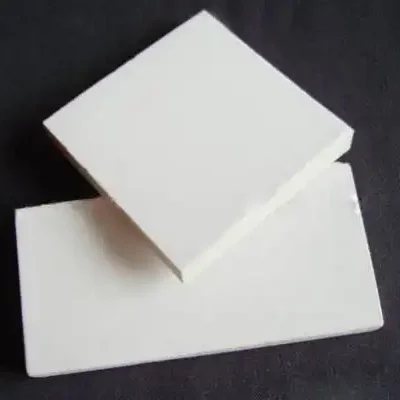
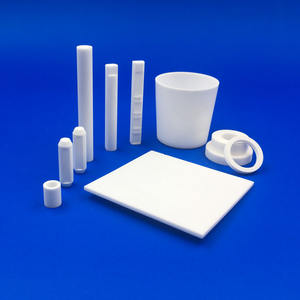
(Alumina Ceramics Plate)

From its beginning, the firm identified the expanding demand for high-grade alumina porcelains driven by fast advancements in semiconductor manufacturing, thermal management systems, and electric insulation applications. By investing greatly in r & d, Alumina Modern technology placed itself at the center of advancement, changing a specific niche material into a keystone of contemporary industrial and technical framework.

The Surge of Alumina Plate Need in Worldwide Markets

Alumina plates– known for their superb mechanical strength, thermal stability, and electrical insulation– have come to be indispensable in high-tech markets. By the early 2000s, worldwide demand for alumina porcelains had actually surged, with alumina plates representing a substantial share of the marketplace.

The expansion of the electronic devices sector, specifically in Asia and The United States And Canada, further heightened the need for precision-engineered alumina elements. Today, the international market for alumina porcelains exceeds numerous billion dollars every year, with alumina plates standing for a significant section as a result of their usage in substrates, insulators, and architectural parts in severe environments.

Alumina Modern Technology Co., Ltd has constantly responded to this expanding demand by scaling manufacturing capacities while keeping the highest requirements of product efficiency and dimensional precision.

Developments in Production Processes

Among the specifying characteristics of Alumina Technology Co., Ltd is its commitment to fine-tuning the production process of alumina plates to attain exceptional high quality and uniformity.

The company has actually created proprietary developing and sintering techniques that permit the construction of alumina plates with very little porosity, consistent microstructure, and remarkable mechanical honesty. Conventional alumina handling frequently causes uneven grain growth and inner problems, however Alumina Technology’s sophisticated powder prep work and isostatic pushing methods have actually dramatically minimized these concerns.

Furthermore, the business has actually introduced regulated environment sintering and accuracy machining modern technologies that improve the thermal and electrical efficiency of alumina plates. These developments guarantee that the end products meet the rigorous specifications required by industries such as high-frequency electronic devices, aerospace, and high-voltage insulation.

Item Efficiency and Product Advancements

Alumina Innovation Co., Ltd offers a wide variety of alumina plates with varying alumina web content– from 96% to 99.98%– to satisfy the diverse performance needs of its worldwide customers.

High-purity alumina plates produced by the business display thermal conductivities going beyond 30 W/m · K and electrical resistivities in excess of 10 ¹⁴ Ω · cm, making them perfect for use in semiconductor manufacturing and high-frequency electronic devices. For commercial applications needing affordable yet resilient options, the company’s medium-purity alumina plates provide exceptional wear resistance and chemical stability at an affordable price point.


( Alumina Ceramics Plate)

These performance characteristics are the result of continual improvements in basic material selection, powder synthesis, and post-processing treatments that have been methodically developed over decades of internal study and industrial collaboration.

Personalization and Application-Specific Solutions

Understanding that alumina plates have to usually be customized to fulfill specific practical and dimensional demands, Alumina Modern technology Co., Ltd has actually built a robust personalization framework that permits accurate control over product structure, density, surface finish, and geometric complexity.

The firm’s engineering group works closely with customers to develop application-specific alumina plates for use in semiconductor chucks, laser parts, vacuum cleaner chambers, and high-temperature furnaces. By integrating customer comments right into the design and production cycle, Alumina Innovation guarantees that its alumina layers not just meet yet usually exceed the performance assumptions of end-users.

This approach has brought about long-lasting collaborations with leading producers in the semiconductor, optoelectronics, and defense industries, enhancing the business’s credibility as a trusted supplier of high-performance ceramic materials.

Global Market Visibility and Sector Recognition

Over the previous 20 years, Alumina Modern technology Co., Ltd has broadened its market reach to consist of customers across North America, Europe, Southeast Asia, and the Middle East.

The business’s alumina plates are currently commonly identified for their integrity, precision, and adaptability in mission-critical applications. By preserving a solid presence in international trade events and technological seminars, Alumina Innovation has actually efficiently placed itself as a key player in the international sophisticated ceramics industry.

This growing influence is a testament to the firm’s unrelenting pursuit of quality in material scientific research and manufacturing innovation. As markets remain to evolve, Alumina Modern technology remains dedicated to advancing alumina plate innovation to satisfy the future generation of engineering obstacles.

Conclusion

Alumina Technology Co., Ltd has built a notable legacy via its pioneering operate in the development and manufacturing of high-performance alumina plates. From its starting in 1998 to its existing standing as an around the world acknowledged distributor, the firm has constantly pressed the limits of what is possible with alumina ceramics.

With continuous innovation in manufacturing procedures, product science, and application-specific layout, Alumina Modern technology has not just met yet expected the evolving requirements of modern markets. As the international demand for innovative ceramic materials remains to increase, the firm stands all set to blaze a trail fit the future of alumina plate innovation.

Alumina Technology Co., Ltd focus on the research and development, production and sales of aluminum oxide powder, aluminum oxide products, aluminum oxide crucible, etc., serving the electronics, ceramics, chemical and other industries. Since its establishment in 2005, the company has been committed to providing customers with the best products and services. If you are looking for high quality alumina 99, please feel free to contact us. (nanotrun@yahoo.com)
Tags: Alumina Ceramics, alumina, aluminum oxide

All articles and pictures are from the Internet. If there are any copyright issues, please contact us in time to delete.

Inquiry us

Error: Contact form not found.

World

Industrial Copper Tube: 10 Ways to Cut Copper Tube 15mm pipe copper

** Industrial Copper Tube: 10 Ways to Cut Copper Tube **.

## Introduction to Industrial Copper Tubes

Copper tubes are extensively utilized in a/c systems, plumbing, refrigeration, and industrial piping because of their superb thermal conductivity, rust resistance, and malleability. In industrial setups, reducing copper tubes properly and successfully is important for making sure leak-free joints and optimum system efficiency.


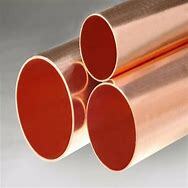
(Copper Pipe of Copper Group)

Various applications demand various reducing methods based upon tube size, wall surface thickness, production quantity, and required side top quality. This post discovers ten professional techniques for cutting copper tubes, each customized to certain operational requirements and technological restraints.

## 1. Manual Tube Cutter

The hand-operated tube cutter is just one of the most frequently used tools for reducing copper tubing in area procedures and small installations. It normally includes a set steel wheel installed on an adjustable structure that turns around television as the operator tightens the blade incrementally.

This method creates tidy, square cuts without producing burrs or warping television ends, making it excellent for soft annealed copper tubing. Nonetheless, it might not be suitable for large-diameter or thick-walled tubes because of the physical effort required and possible for uneven pressure distribution.

## 2. Rotating Tube Cutter

A rotating tube cutter is a powered variation of the hands-on tube cutter, usually utilized in production or fabrication settings where high-volume cutting is needed. The tool makes use of a motor-driven cutting wheel that turns around television, using regular pressure until the cut is full.

This strategy guarantees harmony and precision, specifically when reducing copper tubes with regular diameters. It decreases material waste and operator tiredness while preserving high repeatability, which is essential in industrial assembly line.

## 3. Hacksaw Reducing

Hacksaw cutting remains a reliable method for reducing copper tubes, especially in situations where power tools are not available or where space constraints restrict making use of advanced devices. A fine-toothed blade (usually 18– 32 teeth per inch) is advised to avoid galling and make sure a smooth surface.

While this approach uses flexibility and control, it needs ability and perseverance to attain right, burr-free cuts. Furthermore, the hands-on nature of hacksawing makes it much less reliable contrasted to mechanized options, especially for repetitive or large-scale jobs.

## 4. Unpleasant Cutting (Cut-Off Wheel)

Rough cutting entails utilizing a high-speed cut-off wheel made from products such as aluminum oxide or silicon carbide to cut through copper tubes. This technique is generally employed with angle grinders or bench-mounted cutoff makers.


(Copper Pipe of Copper Group)

It is especially efficient for cutting thick-walled or hard-drawn copper tubes where mechanical shearing could create contortion. Nevertheless, unpleasant cutting creates warmth and metal bits, calling for proper air conditioning and post-cut cleaning to eliminate particles and oxide layers from the cut surface area.

## 5. Band Saw Cutting

Band saws are extensively utilized in commercial workshops for reducing copper tubes to precise lengths. These machines utilize a constant toothed blade that moves in a loophole, making it possible for regulated and regular cross different tube dimensions.

Band saw reducing is appropriate for both round and shaped copper tubes and allows for automated feeding systems to improve efficiency. The main considerations consist of picking the ideal blade pitch and ensuring sufficient lubrication to decrease device wear and keep reduced quality.

## 6. Laser Reducing

Laser reducing stands for a high-precision method for reducing copper tubes, specifically in automated production or customized manufacture environments. Fiber or CO ₂ lasers can be made use of depending on the reflectivity and thermal properties of the copper alloy.

This non-contact process delivers tidy, burr-free edges with very little material distortion, making it ideal for complicated geometries and thin-wall tubes. Nevertheless, copper’s high thermal conductivity and reflectivity pose difficulties that need innovative beam control and assist gases like oxygen or nitrogen.

## 7. Waterjet Cutting

Waterjet cutting is a cold-cutting process that makes use of a high-pressure stream of water mixed with abrasive particles to specifically cut through copper tubes. It is particularly advantageous for applications where thermal distortion or material destruction have to be prevented.

This approach is capable of generating complex forms and attaining tight resistances without changing the metallurgical properties of the copper. Although slower than a few other reducing methods, waterjet cutting is very functional and suitable for both thin and thick-walled copper tubes.

## 8. Guillotine Shearing

Guillotine shearing is a fast and efficient approach for cutting copper tubes in bulk manufacturing settings. It employs a sharp, vertically moving blade that cuts with the tube against a fixed lower die.

Finest suited for softer copper qualities and smaller sizes, guillotine shearing supplies fast cycle times and cost-effectiveness. Nevertheless, it might lead to slight side contortion or burring, necessitating second finishing operations such as deburring or chamfering.

## 9. Round Saw Reducing

Round saw cutting makes use of a toothed or rough circular blade rotating at high speed to cut copper tubes. This technique is often incorporated into automatic assembly line where high throughput and dimensional precision are vital.

Compared to abrasive cutting, circular saws use cleaner cuts with reduced kerf loss and far better edge high quality. Proper selection of blade product (e.g., carbide-tipped) and cutting parameters is important to prevent work solidifying and tool wear throughout constant operation.

## 10. CNC Tube Cutting Machines

Computer System Numerical Control (CNC) tube reducing makers stand for the peak of automation and accuracy in commercial copper tube handling. These equipments combine laser, plasma, or mechanical reducing heads with programmable controls to execute complicated cuts with high repeatability.

CNC systems enable multi-axis cutting, beveling, and profiling, making them crucial in markets such as aerospace, vehicle, and a/c part manufacturing. They substantially decrease labor expenses, boost security, and improve general production efficiency when taking care of huge quantities of copper tubing.

## Verdict

In commercial applications, the selection of copper tube cutting approach depends upon aspects such as tube specifications, manufacturing scale, desired cut high quality, and offered resources. From basic handbook devices to innovative CNC systems, each method supplies special advantages customized to certain design and functional requirements.

By understanding and using these ten reducing methods properly, makers and technicians can maximize performance, lower product waste, and guarantee the honesty of copper tube settings up sought after environments.

Provider

CopperGroup is a trusted global chemical material supplier & manufacturer with over 12 years experience in providing super high-quality copper and relative materials. The company export to many countries, such as USA, Canada,Europe,UAE,South Africa, etc. As a leading nanotechnology development manufacturer, Copperchannel dominates the market. Our professional work team provides perfect solutions to help improve the efficiency of various industries, create value, and easily cope with various challenges. If you are looking for 15mm pipe copper, please send an email to: nanotrun@yahoo.com

All articles and pictures are from the Internet. If there are any copyright issues, please contact us in time to delete.

Inquiry us

Error: Contact form not found.

World

Sony releases “Castlevania” art collection

Sony Pictures Entertainment announced a new Castlevania art collection today. This collection celebrates the famous video game series. It brings together artwork from many Castlevania games. Fans can see illustrations from the entire history of the franchise.


Sony releases

(Sony releases “Castlevania” art collection)

The collection features concept art, character designs, and background images. Many pieces were never released publicly before. It shows the development of characters like Simon Belmont and Alucard. It also shows iconic locations such as Dracula’s Castle. The art highlights the series’ unique gothic style. This style influenced many other games.

Sony will release the collection as a high-quality hardcover book. The book is large. It allows fans to appreciate the details in the artwork. Pre-orders start next month. The official release is scheduled for Summer 2024. The book will be available through major book retailers and online stores.


Sony releases

(Sony releases “Castlevania” art collection)

Castlevania first appeared on gaming systems in the 1980s. It became famous for its challenging gameplay and memorable music. The series continues to attract new players. Sony believes this collection honors the artists behind the games. It gives fans a special way to connect with the world of Castlevania. Interest in the franchise remains strong. This release follows the success of recent Castlevania animated series on streaming platforms.

World

Sony launches AI career planner

Sony just launched an AI tool called Career Explorer. This tool helps people figure out their next career step. It uses artificial intelligence to analyze a person’s skills and experience.


Sony launches AI career planner

(Sony launches AI career planner)

Career Explorer looks at a user’s work history. It also looks at their skills. The AI then matches this information against many different job roles. It finds jobs that fit the user’s background.

The tool shows users jobs they might not have thought about before. It points out skills the user already has. It also shows skills they might need for new jobs. This helps people understand what they need to learn next.

Sony says many workers feel stuck in their current jobs. They often don’t know how to move forward. Career Explorer aims to solve this problem. It gives personalized career advice. This advice is based on the user’s own profile.

The AI uses smart technology to understand job requirements. It scans thousands of job descriptions. It learns what skills are needed for each role. This makes its suggestions relevant and practical.

Right now, Career Explorer is available in Japan. Sony plans to bring it to other countries soon. Workers in Japan can start using it today through Sony’s career platform.

Sony believes this tool will help workers feel more confident. It helps them see new possibilities. It gives them a clear path to develop their skills. This is important in today’s fast-changing job market.

The company developed this tool using its own AI research. Sony wants to support people throughout their working lives. Career Explorer is part of that effort. It focuses on giving practical help for career growth.


Sony launches AI career planner

(Sony launches AI career planner)

Businesses might also find this tool useful. It could help them understand their workforce better. It could show them where skills gaps exist. Sony is exploring these possibilities.

World

Sony launches children’s programming Educational robots

Sony launches new educational robots designed to teach children programming skills. This robotics kit called Koov aims to make learning technology fun for kids. The colorful blocks snap together easily. Children build their own robots using these plastic pieces. Then they bring creations to life through simple coding.


Sony launches children's programming Educational robots

(Sony launches children’s programming Educational robots)

The kit includes sensors and motors. Kids connect these parts to their constructions. A companion app provides step-by-step guidance. It uses block-based programming suitable for young learners. Children drag and drop commands on a screen. This makes the robot move, light up, or make sounds. The system teaches basic logic and problem-solving.

Sony believes hands-on play is key for learning. Koov encourages experimentation. Kids learn by building things themselves. They see immediate results from their code. This builds confidence and sparks interest in technology. The goal is foundational STEM skills development.

The robots are intended for children aged five and older. Parents and teachers can use Koov as a learning tool. It fits home use or classroom settings. Sony developed it with input from educators. The focus is on creativity and play-based learning.


Sony launches children's programming Educational robots

(Sony launches children’s programming Educational robots)

The Koov Explorer Kit costs $199. The Koov Innovator Kit is $399. Both kits will be available this fall. Sony will sell them online and through select retailers. The company sees this as an important educational product for the future.

World

Concrete Foaming Agent: How to Improve the Performance of Lightweight Concrete protein based foaming agent

Intro to Concrete Foaming Representatives

Concrete lathering agents are chemical admixtures utilized to create steady, uniform air voids within concrete combinations, causing lightweight mobile concrete with boosted thermal insulation, minimized thickness, and improved workability. These agents function by lowering the surface stress of blending water, enabling air to be entrained and maintained in the kind of discrete bubbles throughout the cementitious matrix. The top quality and efficiency of foamed concrete– such as its compressive toughness, thermal conductivity, and sturdiness– are heavily influenced by the type, dosage, and compatibility of the frothing agent utilized. This article checks out the devices behind lathering representatives, their category, and exactly how they contribute to enhancing the properties of light-weight concrete for modern-day building and construction applications.


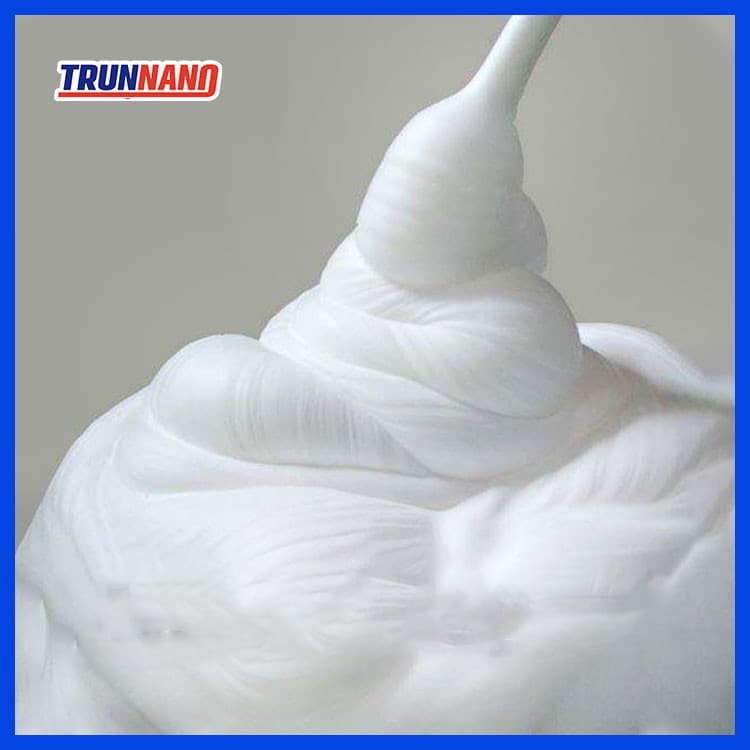
(CLC Foaming Agent)

Category and Mechanism of Concrete Foaming Brokers

Concrete foaming agents can be generally categorized into two primary categories: anionic and cationic surfactants, with some non-ionic or amphoteric types additionally being used depending on specific formula demands. Anionic lathering representatives, such as alkyl sulfates and protein-based hydrolysates, are extensively used because of their excellent foam stability and compatibility with cement chemistry. Cationic agents, although much less usual, offer distinct advantages in specialized formulations where electrostatic interactions need to be managed.

The mechanism of activity includes the adsorption of surfactant molecules at the air-water interface, lowering surface tension and enabling the development of fine, steady bubbles throughout mechanical frustration. A high-quality lathering representative must not just produce a huge quantity of foam but likewise maintain bubble stability in time to avoid collapse prior to concrete hydration is full. This needs an equilibrium between lathering capability, drain resistance, and bubble coalescence control. Advanced formulations frequently integrate stabilizers such as thickness modifiers or polymers to boost bubble persistence and boost the rheological habits of the fresh mix.

Effect of Foaming Representatives on Lightweight Concrete Properties

The intro of air gaps with lathering representatives substantially alters the physical and mechanical characteristics of lightweight concrete. By changing strong mass with air, these spaces lower total density, which is specifically valuable in applications calling for thermal insulation, audio absorption, and structural weight decrease. For example, foamed concrete with thickness varying from 300 to 1600 kg/m ³ can achieve compressive strengths between 0.5 MPa and 15 MPa, depending on foam content, concrete kind, and healing conditions.

Thermal conductivity lowers proportionally with raising porosity, making foamed concrete an attractive option for energy-efficient structure envelopes. Furthermore, the visibility of consistently dispersed air bubbles boosts freeze-thaw resistance by functioning as pressure relief chambers throughout ice development. However, extreme frothing can bring about weak interfacial shift areas and inadequate bond advancement in between concrete paste and accumulations, possibly jeopardizing lasting toughness. Therefore, exact application and foam quality control are important to accomplishing ideal performance.

Optimization Approaches for Improved Performance

To optimize the advantages of frothing representatives in light-weight concrete, numerous optimization approaches can be employed. First, picking the ideal lathering agent based on raw materials and application demands is essential. Protein-based representatives, as an example, are liked for high-strength applications as a result of their superior foam stability and compatibility with Portland cement. Synthetic surfactants may be better for ultra-lightweight systems where lower expenses and simplicity of taking care of are concerns.

Second, integrating supplementary cementitious products (SCMs) such as fly ash, slag, or silica fume can boost both very early and long-lasting mechanical buildings. These products fine-tune pore structure, decrease permeability, and boost hydration kinetics, consequently making up for strength losses triggered by enhanced porosity. Third, progressed mixing modern technologies– such as pre-foaming and in-situ lathering approaches– can be utilized to guarantee better circulation and stabilization of air bubbles within the matrix.

In addition, using viscosity-modifying admixtures (VMAs) assists avoid foam collapse and segregation during spreading and consolidation. Lastly, regulated treating conditions, including temperature and humidity regulation, play a crucial duty in ensuring proper hydration and microstructure growth, specifically in low-density foamed concrete systems.

Applications of Foamed Concrete in Modern Building

Lathered concrete has actually obtained extensive acceptance across numerous construction industries due to its multifunctional properties. In structure construction, it is extensively made use of for flooring screeds, roof covering insulation, and wall panels, providing both structural and thermal advantages. Its self-leveling nature reduces labor costs and enhances surface area coating. In infrastructure projects, frothed concrete serves as a lightweight fill material for embankments, bridge joints, and passage backfilling, successfully lessening earth pressures and negotiation risks.


( CLC Foaming Agent)

In environment-friendly building design, frothed concrete contributes to sustainability objectives by minimizing symbolized carbon through the consolidation of commercial by-products like fly ash and slag. Moreover, its fireproof residential or commercial properties make it ideal for passive fire security systems. In the premade building and construction industry, foamed concrete is progressively used in sandwich panels and modular real estate units as a result of its ease of construction and fast deployment abilities. As demand for energy-efficient and light-weight building and construction products expands, frothed concrete enhanced with optimized foaming representatives will certainly remain to play a pivotal role in shaping the future of lasting style and civil engineering.

Final thought

Concrete frothing representatives are instrumental in improving the efficiency of lightweight concrete by allowing the creation of secure, uniform air space systems that boost thermal insulation, decrease thickness, and increase workability. Via cautious choice, formulation, and combination with innovative products and techniques, the properties of foamed concrete can be tailored to meet diverse building demands. As research continues to progress, technologies in frothing technology promise to further expand the range and effectiveness of lightweight concrete in modern building and construction practices.

Provider

Cabr-Concrete is a supplier of Concrete Admixture with over 12 years of experience in nano-building energy conservation and nanotechnology development. It accepts payment via Credit Card, T/T, West Union and Paypal. TRUNNANO will ship the goods to customers overseas through FedEx, DHL, by air, or by sea. If you are looking for high quality Concrete Admixture, please feel free to contact us and send an inquiry.
Tags: foaming agent, foamed concrete, concrete admixture

All articles and pictures are from the Internet. If there are any copyright issues, please contact us in time to delete.

Inquiry us

Error: Contact form not found.

World

Aluminum Nitride Ceramics: The Most Ideal Substrate Material high alumina ceramic tube

Intro to Light Weight Aluminum Nitride Ceramics

Light weight aluminum nitride (AlN) is a high-performance ceramic material that has actually gained prevalent recognition for its phenomenal thermal conductivity, electric insulation, and mechanical security at elevated temperature levels. With a hexagonal wurtzite crystal structure, AlN shows a special mix of residential properties that make it the most excellent substrate product for applications in electronics, optoelectronics, power modules, and high-temperature settings. Its capability to effectively dissipate warmth while maintaining exceptional dielectric strength placements AlN as a remarkable option to typical ceramic substrates such as alumina and beryllium oxide. This short article checks out the basic attributes of light weight aluminum nitride porcelains, looks into fabrication methods, and highlights its vital roles throughout advanced technological domain names.


(Aluminum Nitride Ceramics)

Crystal Framework and Fundamental Characteristic

The efficiency of aluminum nitride as a substratum product is largely determined by its crystalline structure and inherent physical homes. AlN takes on a wurtzite-type latticework composed of alternating light weight aluminum and nitrogen atoms, which adds to its high thermal conductivity– commonly exceeding 180 W/(m · K), with some high-purity examples attaining over 320 W/(m · K). This worth dramatically exceeds those of other commonly utilized ceramic materials, consisting of alumina (~ 24 W/(m · K) )and silicon carbide (~ 90 W/(m · K)).

Along with its thermal performance, AlN has a broad bandgap of roughly 6.2 eV, leading to outstanding electric insulation properties also at heats. It also demonstrates reduced thermal development (CTE ≈ 4.5 × 10 ⁻⁶/ K), which closely matches that of silicon and gallium arsenide, making it an optimum suit for semiconductor gadget product packaging. Additionally, AlN displays high chemical inertness and resistance to thaw metals, boosting its viability for rough atmospheres. These mixed attributes establish AlN as a leading candidate for high-power electronic substratums and thermally managed systems.

Construction and Sintering Technologies

Producing high-quality light weight aluminum nitride porcelains requires specific powder synthesis and sintering strategies to attain dense microstructures with marginal pollutants. As a result of its covalent bonding nature, AlN does not easily densify with conventional pressureless sintering. For that reason, sintering help such as yttrium oxide (Y ₂ O FIVE), calcium oxide (CaO), or uncommon earth elements are normally included in advertise liquid-phase sintering and boost grain border diffusion.

The construction procedure usually begins with the carbothermal reduction of light weight aluminum oxide in a nitrogen atmosphere to manufacture AlN powders. These powders are after that milled, formed using methods like tape casting or shot molding, and sintered at temperature levels between 1700 ° C and 1900 ° C under a nitrogen-rich ambience. Warm pressing or spark plasma sintering (SPS) can further boost thickness and thermal conductivity by minimizing porosity and advertising grain placement. Advanced additive production methods are also being checked out to fabricate complex-shaped AlN parts with customized thermal monitoring abilities.

Application in Electronic Product Packaging and Power Modules

One of one of the most popular uses aluminum nitride porcelains remains in electronic product packaging, especially for high-power tools such as shielded gateway bipolar transistors (IGBTs), laser diodes, and superhigh frequency (RF) amplifiers. As power thickness raise in modern-day electronic devices, reliable warm dissipation comes to be crucial to make sure reliability and long life. AlN substrates provide an optimal solution by integrating high thermal conductivity with exceptional electrical isolation, avoiding short circuits and thermal runaway problems.

Additionally, AlN-based straight bound copper (DBC) and energetic metal brazed (AMB) substratums are progressively utilized in power module layouts for electric vehicles, renewable resource inverters, and commercial motor drives. Compared to typical alumina or silicon nitride substrates, AlN offers much faster warmth transfer and far better compatibility with silicon chip coefficients of thermal expansion, consequently decreasing mechanical anxiety and enhancing total system performance. Ongoing study intends to improve the bonding stamina and metallization techniques on AlN surfaces to further expand its application range.

Use in Optoelectronic and High-Temperature Gadget

Past electronic product packaging, aluminum nitride porcelains play an important function in optoelectronic and high-temperature applications due to their openness to ultraviolet (UV) radiation and thermal security. AlN is extensively utilized as a substrate for deep UV light-emitting diodes (LEDs) and laser diodes, specifically in applications calling for sterilization, sensing, and optical interaction. Its large bandgap and low absorption coefficient in the UV variety make it an ideal candidate for supporting aluminum gallium nitride (AlGaN)-based heterostructures.

Additionally, AlN’s capability to work reliably at temperature levels going beyond 1000 ° C makes it appropriate for usage in sensing units, thermoelectric generators, and parts exposed to extreme thermal tons. In aerospace and defense sectors, AlN-based sensing unit packages are used in jet engine tracking systems and high-temperature control units where conventional products would stop working. Constant advancements in thin-film deposition and epitaxial growth techniques are increasing the capacity of AlN in next-generation optoelectronic and high-temperature integrated systems.


( Aluminum Nitride Ceramics)

Ecological Stability and Long-Term Integrity

An essential factor to consider for any substrate product is its long-term dependability under operational anxieties. Aluminum nitride shows premium environmental security compared to lots of other ceramics. It is very resistant to deterioration from acids, alkalis, and molten steels, making certain toughness in hostile chemical atmospheres. Nevertheless, AlN is prone to hydrolysis when exposed to wetness at elevated temperature levels, which can degrade its surface area and reduce thermal performance.

To mitigate this problem, protective coatings such as silicon nitride (Si three N FOUR), light weight aluminum oxide, or polymer-based encapsulation layers are usually put on improve dampness resistance. Furthermore, cautious securing and product packaging techniques are implemented during tool setting up to preserve the stability of AlN substratums throughout their service life. As ecological policies become much more rigid, the safe nature of AlN also positions it as a preferred choice to beryllium oxide, which positions health threats during handling and disposal.

Verdict

Aluminum nitride porcelains stand for a class of advanced materials uniquely matched to resolve the growing needs for effective thermal administration and electric insulation in high-performance electronic and optoelectronic systems. Their phenomenal thermal conductivity, chemical security, and compatibility with semiconductor innovations make them the most perfect substratum material for a wide variety of applications– from automotive power modules to deep UV LEDs and high-temperature sensors. As fabrication innovations continue to develop and cost-efficient manufacturing techniques mature, the adoption of AlN substratums is anticipated to rise substantially, driving advancement in next-generation digital and photonic tools.

Distributor

Advanced Ceramics founded on October 17, 2012, is a high-tech enterprise committed to the research and development, production, processing, sales and technical services of ceramic relative materials and products. Our products includes but not limited to Boron Carbide Ceramic Products, Boron Nitride Ceramic Products, Silicon Carbide Ceramic Products, Silicon Nitride Ceramic Products, Zirconium Dioxide Ceramic Products, etc. If you are interested, please feel free to contact us.(nanotrun@yahoo.com)
Tags: aluminum nitride ceramic, aln aluminium nitride, aln aluminum nitride ceramic

All articles and pictures are from the Internet. If there are any copyright issues, please contact us in time to delete.

Inquiry us

Error: Contact form not found.

World

Hollow glass microspheres: production methods and 5 magical uses solid glass microspheres

Introduction to Hollow Glass Microspheres

Hollow glass microspheres (HGMs) are hollow, round particles normally fabricated from silica-based or borosilicate glass products, with diameters normally varying from 10 to 300 micrometers. These microstructures display an unique combination of low thickness, high mechanical strength, thermal insulation, and chemical resistance, making them very functional throughout numerous commercial and scientific domains. Their production involves specific design strategies that allow control over morphology, covering density, and inner space quantity, allowing customized applications in aerospace, biomedical engineering, power systems, and much more. This write-up supplies a thorough review of the primary approaches used for producing hollow glass microspheres and highlights 5 groundbreaking applications that emphasize their transformative capacity in modern-day technical developments.


(Hollow glass microspheres)

Manufacturing Methods of Hollow Glass Microspheres

The construction of hollow glass microspheres can be generally categorized into 3 main approaches: sol-gel synthesis, spray drying out, and emulsion-templating. Each method uses unique advantages in terms of scalability, fragment uniformity, and compositional flexibility, allowing for customization based on end-use requirements.

The sol-gel process is one of one of the most extensively used strategies for producing hollow microspheres with exactly controlled design. In this method, a sacrificial core– typically made up of polymer beads or gas bubbles– is coated with a silica forerunner gel with hydrolysis and condensation reactions. Subsequent warm therapy gets rid of the core product while compressing the glass covering, resulting in a durable hollow structure. This method allows fine-tuning of porosity, wall density, and surface area chemistry yet usually requires intricate response kinetics and extended handling times.

An industrially scalable choice is the spray drying method, which entails atomizing a fluid feedstock containing glass-forming precursors right into fine droplets, adhered to by fast evaporation and thermal decay within a heated chamber. By including blowing agents or lathering compounds right into the feedstock, interior spaces can be created, bring about the formation of hollow microspheres. Although this technique enables high-volume manufacturing, achieving constant covering densities and decreasing defects remain ongoing technical challenges.

A 3rd appealing method is emulsion templating, in which monodisperse water-in-oil solutions work as layouts for the development of hollow structures. Silica forerunners are focused at the interface of the emulsion droplets, developing a thin covering around the liquid core. Complying with calcination or solvent extraction, distinct hollow microspheres are obtained. This method excels in producing fragments with narrow size distributions and tunable functionalities yet requires cautious optimization of surfactant systems and interfacial conditions.

Each of these production strategies adds distinctively to the layout and application of hollow glass microspheres, using engineers and researchers the tools essential to customize residential properties for sophisticated practical materials.

Magical Usage 1: Lightweight Structural Composites in Aerospace Design

Among one of the most impactful applications of hollow glass microspheres hinges on their use as reinforcing fillers in light-weight composite materials made for aerospace applications. When incorporated into polymer matrices such as epoxy materials or polyurethanes, HGMs substantially minimize overall weight while maintaining architectural integrity under extreme mechanical loads. This particular is specifically helpful in aircraft panels, rocket fairings, and satellite elements, where mass effectiveness directly influences gas consumption and haul capacity.

Moreover, the spherical geometry of HGMs boosts stress and anxiety circulation across the matrix, thus improving fatigue resistance and influence absorption. Advanced syntactic foams containing hollow glass microspheres have demonstrated remarkable mechanical performance in both fixed and vibrant loading conditions, making them excellent prospects for use in spacecraft thermal barrier and submarine buoyancy components. Continuous study remains to discover hybrid compounds integrating carbon nanotubes or graphene layers with HGMs to better enhance mechanical and thermal buildings.

Wonderful Use 2: Thermal Insulation in Cryogenic Storage Equipment

Hollow glass microspheres have naturally low thermal conductivity due to the existence of a confined air cavity and marginal convective heat transfer. This makes them incredibly effective as insulating representatives in cryogenic settings such as liquid hydrogen tanks, dissolved natural gas (LNG) containers, and superconducting magnets utilized in magnetic resonance imaging (MRI) makers.

When installed into vacuum-insulated panels or applied as aerogel-based coatings, HGMs serve as reliable thermal barriers by minimizing radiative, conductive, and convective heat transfer devices. Surface modifications, such as silane therapies or nanoporous layers, further boost hydrophobicity and avoid wetness ingress, which is critical for keeping insulation performance at ultra-low temperature levels. The integration of HGMs right into next-generation cryogenic insulation materials stands for an essential development in energy-efficient storage space and transportation options for clean fuels and room expedition modern technologies.

Wonderful Use 3: Targeted Medication Delivery and Medical Imaging Comparison Professionals

In the area of biomedicine, hollow glass microspheres have emerged as encouraging systems for targeted drug shipment and analysis imaging. Functionalized HGMs can encapsulate healing representatives within their hollow cores and release them in action to outside stimulations such as ultrasound, electromagnetic fields, or pH changes. This ability enables local therapy of illness like cancer cells, where precision and reduced systemic toxicity are necessary.

Furthermore, HGMs can be doped with contrast-enhancing components such as gadolinium, iodine, or fluorescent dyes to function as multimodal imaging representatives suitable with MRI, CT scans, and optical imaging strategies. Their biocompatibility and capacity to carry both healing and analysis functions make them appealing candidates for theranostic applications– where diagnosis and therapy are combined within a solitary platform. Study initiatives are likewise exploring biodegradable variations of HGMs to expand their energy in regenerative medication and implantable gadgets.

Wonderful Usage 4: Radiation Shielding in Spacecraft and Nuclear Facilities

Radiation protecting is a critical problem in deep-space objectives and nuclear power centers, where exposure to gamma rays and neutron radiation poses substantial dangers. Hollow glass microspheres doped with high atomic number (Z) components such as lead, tungsten, or barium use an unique remedy by offering effective radiation depletion without including too much mass.

By embedding these microspheres into polymer composites or ceramic matrices, researchers have created versatile, light-weight shielding products ideal for astronaut matches, lunar habitats, and activator control structures. Unlike conventional securing products like lead or concrete, HGM-based compounds keep structural honesty while providing boosted mobility and simplicity of fabrication. Continued advancements in doping strategies and composite style are anticipated to further enhance the radiation protection capacities of these materials for future space expedition and earthbound nuclear safety applications.


( Hollow glass microspheres)

Enchanting Use 5: Smart Coatings and Self-Healing Materials

Hollow glass microspheres have revolutionized the development of smart finishings efficient in autonomous self-repair. These microspheres can be filled with recovery representatives such as corrosion preventions, materials, or antimicrobial substances. Upon mechanical damage, the microspheres rupture, releasing the encapsulated substances to secure splits and restore coating honesty.

This innovation has actually located functional applications in aquatic coatings, automobile paints, and aerospace parts, where long-term longevity under extreme ecological problems is critical. Furthermore, phase-change materials encapsulated within HGMs make it possible for temperature-regulating layers that provide passive thermal administration in structures, electronic devices, and wearable gadgets. As study advances, the assimilation of responsive polymers and multi-functional ingredients into HGM-based finishes guarantees to open new generations of adaptive and intelligent product systems.

Conclusion

Hollow glass microspheres exemplify the convergence of advanced materials scientific research and multifunctional engineering. Their diverse manufacturing methods enable specific control over physical and chemical residential or commercial properties, facilitating their usage in high-performance structural compounds, thermal insulation, clinical diagnostics, radiation defense, and self-healing products. As innovations continue to arise, the “magical” versatility of hollow glass microspheres will undoubtedly drive developments across sectors, shaping the future of sustainable and intelligent material layout.

Supplier

RBOSCHCO is a trusted global chemical material supplier & manufacturer with over 12 years experience in providing super high-quality chemicals and Nanomaterials. The company export to many countries, such as USA, Canada, Europe, UAE, South Africa,Tanzania,Kenya,Egypt,Nigeria,Cameroon,Uganda,Turkey,Mexico,Azerbaijan,Belgium,Cyprus,Czech Republic, Brazil, Chile, Argentina, Dubai, Japan, Korea, Vietnam, Thailand, Malaysia, Indonesia, Australia,Germany, France, Italy, Portugal etc. As a leading nanotechnology development manufacturer, RBOSCHCO dominates the market. Our professional work team provides perfect solutions to help improve the efficiency of various industries, create value, and easily cope with various challenges. If you are looking for solid glass microspheres, please send an email to: sales1@rboschco.com
Tags: Hollow glass microspheres, Hollow glass microspheres

All articles and pictures are from the Internet. If there are any copyright issues, please contact us in time to delete.

Inquiry us

Error: Contact form not found.

World

Alumina Ceramics: A Decade of Innovation and Growth at Alumina Techno porous alumina

Intro: The Rise of Alumina Ceramics in Modern Industry

Alumina porcelains– renowned for their exceptional solidity, thermal resistance, and electric insulation homes– have actually become important products in today’s sophisticated world. From semiconductor production to aerospace elements, these advanced ceramics are relied on for their efficiency under severe conditions. Over the previous ten years, Alumina Techno has actually become a leading name in the production of alumina ceramic products, consistently providing ingenious remedies that meet the evolving needs of worldwide sectors.


(Alumina Ceramics)

Business History: A Trip Rooted in Ceramic Know-how

Developed in 2015, Alumina Techno started with a clear vision: to push the borders of what alumina porcelains can achieve with precision design and deep material scientific research expertise. Beginning with a moderate center with a small group of specialists, the company swiftly got recognition for its ability to create facility, premium alumina components tailored for commercial and technical applications. Over the years, Alumina Techno increased its operations, upgraded its tools, and developed a strong track record throughout key markets such as electronics, vehicle, medical tools, and renewable resource.

Front Runner Product: High-Purity Alumina Ceramics

The core of Alumina Techno’s success depends on its high-purity alumina ceramic elements, consisting of rods, tubes, plates, and custom-machined components. These materials are known for their superb mechanical stamina, put on resistance, and thermal stability, making them suitable for use in atmospheres where conventional products fail. Whether insulating high-voltage systems, sustaining semiconductor wafer handling, or lining chemical processing tools, Alumina Techno’s products have come to be synonymous with sturdiness and dependability.

Worldwide Demand and Market Growth

Demand for alumina porcelains continues to increase around the world, fueled by innovations in automation, clean power modern technologies, and miniaturized electronics. As industries look for more effective and longer-lasting materials, the marketplace for alumina porcelains is projected to grow continuously, reaching over USD 6 billion by 2030. Alumina Techno has actually positioned itself well within this increasing landscape, supplying precision-engineered alumina porcelains to consumers in North America, Europe, Japan, and Southeast Asia. Its growing global presence reflects the depend on and contentment of customers that depend on its products for mission-critical applications.

Refine Optimization: Enhancing Top Quality With Advanced Manufacturing

Among Alumina Techno’s specifying staminas is its constant improvement of manufacturing methods. From raw powder blending to sintering and last machining, the business has fine-tuned each stage of the procedure to make sure exceptional product consistency and efficiency. Investments in isostatic pushing, regulated atmosphere sintering, and CNC machining facilities have enabled Alumina Techno to lower interior porosity, boost surface area finish, and keep tight dimensional tolerances. These improvements directly translate into better mechanical strength and longer service life for end customers.

Quality Improvement: Focused on Real-World Efficiency

Rather than concentrating on qualifications, Alumina Techno focuses on real-world outcomes. The company conducts comprehensive internal screening under substitute operating problems to tweak item qualities such as thermal shock resistance, dielectric stamina, and mechanical tiredness. This hands-on strategy makes certain that every alumina ceramic component not just meets but frequently surpasses consumer expectations. Responses from long-term clients confirms improved system effectiveness and decreased downtime– vital signs of the business’s commitment to quality.

Customization and Application-Specific Solutions


( Alumina Ceramics)

Understanding that modern industries call for tailored services, Alumina Techno uses a wide variety of personalization alternatives. Whether it’s distinct shapes, specialized surface treatments, or differing levels of pureness, the business functions closely with clients to create products that incorporate perfectly right into their systems. This adaptability has actually made it possible for collaborations with business involved in advanced projects– from plasma generators to vacuum chambers and high-precision sensing unit housings.

Sustainability and Long-Term Worth Development

Alumina Techno is committed to sustainable techniques and source efficiency. By maximizing production returns and minimizing material waste, the firm lowers ecological impact while maintaining cost-effectiveness. In addition, the long life expectancy and reduced upkeep requirements of alumina porcelains align with international patterns towards sturdy, green materials. As markets shift towards greener technologies, Alumina Techno stands all set to sustain this transition with reputable, high-performance ceramic services.

Looking Ahead: Structure on a Strong Structure for Future Growth

As Alumina Techno enters its 2nd decade, the company stays concentrated on advancement and growth. Strategies are underway to discover brand-new ceramic compounds, develop automatic examination systems, and enhance cooperation with research institutions. By staying in advance of sector patterns and continuing to refine its offerings, Alumina Techno intends to solidify its position as a global leader in alumina ceramic technology.

Final thought: A Trusted Name in Alumina Ceramics

Over the previous 10 years, Alumina Techno has actually built a strong brand rooted in technical excellence and customer-centric innovation. Its high-purity alumina ceramic products continue to be a go-to selection for designers and producers worldwide, providing unequaled performance throughout a broad spectrum of applications. With a history of steady growth, process improvement, and a positive frame of mind, Alumina Techno is well-prepared to lead the following wave of innovations in the sophisticated porcelains industry.

Supplier

Alumina Technology Co., Ltd focus on the research and development, production and sales of aluminum oxide powder, aluminum oxide products, aluminum oxide crucible, etc., serving the electronics, ceramics, chemical and other industries. Since its establishment in 2005, the company has been committed to providing customers with the best products and services. If you are looking for high quality porous alumina, please feel free to contact us. (nanotrun@yahoo.com)
Tags: Alumina Ceramics, alumina, aluminum oxide

All articles and pictures are from the Internet. If there are any copyright issues, please contact us in time to delete.

Inquiry us

Error: Contact form not found.