World

Nitrogen-Bonded Innovation: The Expanding Role and Technological Breakthroughs of Aluminum Nitride Ceramics in High-Performance Applications women’s ceramic wedding bands

Introduction to Aluminum Nitride Ceramics: A High-Tech Product for Demanding Industries

Aluminum nitride (AlN) porcelains have actually become a vital material in high-tech industries due to their one-of-a-kind combination of high thermal conductivity, superb electric insulation, and chemical inertness. Unlike standard ceramic materials such as alumina or silicon nitride, AlN offers superior heat dissipation without compromising dielectric efficiency– making it indispensable in power electronic devices, semiconductor manufacturing, and aerospace elements. As global demand surges for portable, high-efficiency electronic systems, aluminum nitride porcelains are playing an increasingly calculated function in allowing next-generation technological advancements.
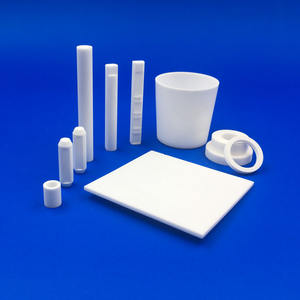

(Aluminum Nitride Ceramic Plat)

Architectural and Thermal Residences of AlN Ceramics

At the core of AlN’s performance exists its hexagonal wurtzite crystal structure, which assists in phonon-based heat transfer with marginal resistance. This results in thermal conductivity worths rising to 320 W/m · K, substantially higher than a lot of various other technological ceramics. Its low thermal growth coefficient (~ 4.5 × 10 ⁻⁶/ ° C )makes certain dimensional security under thermal cycling, while its large bandgap (~ 6.2 eV) provides extraordinary electrical insulation even at elevated temperature levels. These homes make AlN ceramics ideal for applications where both thermal administration and electric isolation are all at once required, such as in protected entrance bipolar transistors (IGBTs) and laser diode places.

Production Processes and Material Obstacles

Producing high-purity, high-density light weight aluminum nitride porcelains calls for specific powder synthesis and sintering strategies. Typical approaches include carbothermal decrease of alumina in nitrogen atmosphere and direct nitridation of metallic light weight aluminum. To achieve full densification without excessive grain growth, sintering aids such as yttria, calcium oxide, or erbium oxide are often included. Nevertheless, oxygen contamination continues to be a significant challenge, as it forms protecting light weight aluminum oxynitride phases that break down thermal efficiency. Recent developments in warm pushing, spark plasma sintering, and additive-free handling are helping to overcome these restrictions, leading the way for ultra-high-conductivity AlN substratums.

Applications in Electronics and Semiconductor Packaging

Among the most prominent uses AlN ceramics remains in digital product packaging, particularly for high-power and high-frequency tools. In radio frequency (RF) modules, optoelectronics, and light-emitting diodes (LEDs), AlN substrates act as both mechanical supports and efficient warm spreaders. They are also extensively made use of in semiconductor construction equipment, where their thermal shock resistance and purity ensure trustworthy operation in destructive plasma atmospheres. With the rise of electrical automobiles and 5G interaction framework, demand for AlN-based warmth sinks, microwave packages, and sensing unit housings remains to proliferate across worldwide markets.

Arising Functions in Quantum Technologies and Deep UV Optics

Beyond traditional electronics, aluminum nitride porcelains are getting traction in sophisticated fields such as quantum photonics and deep ultraviolet (DUV) optoelectronics. AlN’s wide bandgap enables efficient discharge and discovery in the DUV variety, supporting applications in sterilization, water purification, and biological picking up. Researchers are likewise checking out AlN as a platform for incorporated quantum photonic circuits, leveraging flaw facilities within the crystal lattice to generate solitary photons on demand. These capacities placement AlN ceramics as fundamental products for future quantum computing, secure communications, and progressed optical instrumentation.

Environmental and Mechanical Durability in Industrial Environments

Light weight aluminum nitride exhibits impressive resistance to oxidation, corrosion, and chemical attack, making it ideal for extreme industrial environments. It continues to be secure at temperatures exceeding 1000 ° C in non-oxidizing ambiences and does not react readily with liquified steels, unlike several other ceramics. This longevity makes AlN parts ideal for usage in crucibles, thermocouple sheaths, and heater components. Furthermore, its reduced dielectric loss and high break down voltage support high-frequency RF applications where signal integrity must be preserved under severe conditions. These attributes contribute to extended component lifecycles and minimized upkeep costs in mission-critical systems.

Market Trends and Development Motorists in the Global Ceramics Industry


( Aluminum Nitride Ceramic Plat)

The market for aluminum nitride porcelains is broadening swiftly, driven by raising demand from the electronic devices, automobile, and protection fields. Asia-Pacific leads in manufacturing and consumption, with China, Japan, and South Korea working as key production hubs. North America and Europe comply with closely, fueled by investments in semiconductor R&D and quantum technology campaigns. Regardless of its high expense compared to options like beryllium oxide or alumina, the expanding demand for high-performance thermal monitoring solutions is driving fostering. Strategic collaborations between material vendors and tech companies are accelerating item advancement and scaling up manufacturing capacity.

Future Outlook: Integration with Advanced Manufacturing and Smart Equipment

Looking ahead, aluminum nitride ceramics are set to play a pivotal function in the development of clever production, AI-driven thermal surveillance, and miniaturized digital systems. Developments in additive manufacturing are allowing complicated geometries and ingrained features that were previously unattainable through typical machining. In addition, assimilation with IoT-enabled sensing units and anticipating upkeep systems will certainly boost real-time thermal performance tracking in industrial setups. As research study progresses into hybrid structures, nanostructuring, and bio-compatible layers, AlN ceramics will continue to redefine the limits of high-performance materials science.

Distributor

Advanced Ceramics founded on October 17, 2012, is a high-tech enterprise committed to the research and development, production, processing, sales and technical services of ceramic relative materials and products. Our products includes but not limited to Boron Carbide Ceramic Products, Boron Nitride Ceramic Products, Silicon Carbide Ceramic Products, Silicon Nitride Ceramic Products, Zirconium Dioxide Ceramic Products, etc. If you are interested, please feel free to contact us.(nanotrun@yahoo.com)
Tags: aluminum nitride ceramic, aln aluminium nitride, aln aluminum nitride ceramic

All articles and pictures are from the Internet. If there are any copyright issues, please contact us in time to delete.

Inquiry us

Error: Contact form not found.
World

Nitrogen-Bonded Innovation: The Expanding Role and Technological Breakthroughs of Aluminum Nitride Ceramics in High-Performance Applications ceramic vacuum tube

Intro to Aluminum Nitride Ceramics: A High-Tech Material for Demanding Industries

Aluminum nitride (AlN) porcelains have emerged as a crucial material in state-of-the-art sectors as a result of their special combination of high thermal conductivity, outstanding electric insulation, and chemical inertness. Unlike typical ceramic materials such as alumina or silicon nitride, AlN uses premium warm dissipation without jeopardizing dielectric efficiency– making it essential in power electronics, semiconductor production, and aerospace parts. As worldwide demand surges for compact, high-efficiency electronic systems, aluminum nitride ceramics are playing a progressively strategic role in enabling next-generation technical developments.


(Aluminum Nitride Ceramic Plat)

Architectural and Thermal Features of AlN Ceramics

At the core of AlN’s efficiency exists its hexagonal wurtzite crystal framework, which promotes phonon-based warm transfer with very little resistance. This results in thermal conductivity values reaching up to 320 W/m · K, significantly greater than a lot of other technological porcelains. Its low thermal development coefficient (~ 4.5 × 10 ⁻⁶/ ° C )makes certain dimensional security under thermal cycling, while its large bandgap (~ 6.2 eV) supplies exceptional electrical insulation also at elevated temperatures. These residential or commercial properties make AlN porcelains ideal for applications where both thermal administration and electric seclusion are simultaneously required, such as in protected gateway bipolar transistors (IGBTs) and laser diode installs.

Manufacturing Processes and Material Difficulties

Making high-purity, high-density light weight aluminum nitride ceramics needs specific powder synthesis and sintering methods. Usual methods consist of carbothermal decrease of alumina in nitrogen environment and straight nitridation of metal aluminum. To achieve full densification without extreme grain development, sintering aids such as yttria, calcium oxide, or erbium oxide are frequently included. However, oxygen contamination stays a major obstacle, as it forms shielding light weight aluminum oxynitride stages that break down thermal efficiency. Recent advancements in hot pressing, trigger plasma sintering, and additive-free handling are aiding to overcome these restrictions, leading the way for ultra-high-conductivity AlN substratums.

Applications in Electronics and Semiconductor Packaging

Among the most popular uses AlN porcelains is in digital product packaging, particularly for high-power and high-frequency gadgets. In radio frequency (RF) modules, optoelectronics, and light-emitting diodes (LEDs), AlN substratums act as both mechanical assistances and efficient warmth spreaders. They are additionally commonly made use of in semiconductor construction devices, where their thermal shock resistance and purity make sure reliable procedure in destructive plasma settings. With the increase of electrical lorries and 5G interaction infrastructure, demand for AlN-based warm sinks, microwave bundles, and sensor housings remains to proliferate throughout global markets.

Emerging Duties in Quantum Technologies and Deep UV Optics

Past traditional electronic devices, aluminum nitride porcelains are obtaining traction in cutting-edge areas such as quantum photonics and deep ultraviolet (DUV) optoelectronics. AlN’s broad bandgap allows effective emission and detection in the DUV variety, sustaining applications in sanitation, water filtration, and biological picking up. Researchers are additionally exploring AlN as a system for incorporated quantum photonic circuits, leveraging issue centers within the crystal lattice to generate solitary photons on demand. These abilities setting AlN ceramics as fundamental products for future quantum computer, secure interactions, and progressed optical instrumentation.

Environmental and Mechanical Sturdiness in Industrial Environments

Aluminum nitride displays amazing resistance to oxidation, deterioration, and chemical strike, making it appropriate for severe commercial environments. It stays stable at temperatures surpassing 1000 ° C in non-oxidizing ambiences and does not respond easily with molten metals, unlike lots of other porcelains. This resilience makes AlN elements ideal for use in crucibles, thermocouple sheaths, and heating system components. Furthermore, its low dielectric loss and high failure voltage support high-frequency RF applications where signal honesty must be maintained under harsh problems. These characteristics contribute to expanded part lifecycles and reduced maintenance prices in mission-critical systems.

Market Trends and Development Vehicle Drivers in the Worldwide Ceramics Sector


( Aluminum Nitride Ceramic Plat)

The market for light weight aluminum nitride ceramics is expanding rapidly, driven by enhancing demand from the electronics, auto, and protection sectors. Asia-Pacific leads in manufacturing and consumption, with China, Japan, and South Korea serving as essential manufacturing centers. The United States And Canada and Europe adhere to closely, fueled by investments in semiconductor R&D and quantum modern technology efforts. Despite its high cost contrasted to choices like beryllium oxide or alumina, the expanding need for high-performance thermal administration remedies is driving adoption. Strategic partnerships between product vendors and tech companies are increasing product development and scaling up production capacity.

Future Overview: Combination with Advanced Manufacturing and Smart Equipment

Looking in advance, aluminum nitride ceramics are set to play a critical role in the development of smart production, AI-driven thermal monitoring, and miniaturized digital systems. Breakthroughs in additive manufacturing are allowing intricate geometries and ingrained functions that were previously unattainable through traditional machining. In addition, combination with IoT-enabled sensing units and anticipating upkeep platforms will certainly improve real-time thermal efficiency monitoring in industrial setups. As research study progresses right into hybrid structures, nanostructuring, and bio-compatible layers, AlN porcelains will continue to redefine the borders of high-performance products scientific research.

Distributor

Advanced Ceramics founded on October 17, 2012, is a high-tech enterprise committed to the research and development, production, processing, sales and technical services of ceramic relative materials and products. Our products includes but not limited to Boron Carbide Ceramic Products, Boron Nitride Ceramic Products, Silicon Carbide Ceramic Products, Silicon Nitride Ceramic Products, Zirconium Dioxide Ceramic Products, etc. If you are interested, please feel free to contact us.(nanotrun@yahoo.com)
Tags: aluminum nitride ceramic, aln aluminium nitride, aln aluminum nitride ceramic

All articles and pictures are from the Internet. If there are any copyright issues, please contact us in time to delete.

Inquiry us

Error: Contact form not found.
World

Carborundum Powder: The High-Performance Abrasive Powering Precision Manufacturing and Industrial Innovation carbide polishing

Intro to Carborundum Powder: A Heritage of Hardness, Toughness, and Convenience

Carborundum powder, typically called silicon carbide (SiC) unpleasant, has long been recognized for its exceptional firmness, thermal stability, and electric conductivity. Originally uncovered in the late 19th century, it swiftly became a foundation material in abrasives, refractories, and semiconductor markets. Today, carborundum powder remains important throughout a vast array of state-of-the-art applications– from precision grinding and reducing tools to advanced porcelains and electronic devices. Its distinct mix of mechanical resilience and chemical inertness remains to drive development in both conventional manufacturing and emerging innovations.


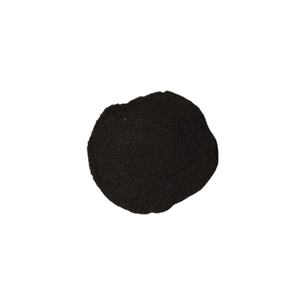
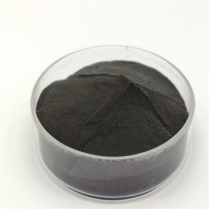
(Carborundum Powder)

Chemical Composition and Crystal Framework

Carborundum is a synthetic substance made up of silicon and carbon, typically generated with the high-temperature reaction of silica and carbon resources like petroleum coke in an electric resistance heating system. It crystallizes in several polytypes, consisting of alpha-SiC (hexagonal) and beta-SiC (cubic), each supplying distinct physical buildings. With a Mohs solidity of around 9.5, second only to ruby and cubic boron nitride, SiC exhibits excellent wear resistance and thermal shock resistance. Its vast bandgap also makes it an essential material in high-power electronic tools, where conventional semiconductors fall short.

Manufacturing Approaches and Bit Size Control

The synthesis of carborundum powder includes specific control over raw materials, temperature level, and air conditioning rates to achieve preferred particle dimensions and morphologies. Traditional manufacturing techniques consist of the Acheson process, which produces rugged grains appropriate for rough applications, and progressed methods such as chemical vapor deposition (CVD) and sol-gel processing, which permit ultra-fine or nanostructured powders customized for high-performance ceramics and electronics. Recent technologies concentrate on reducing power consumption throughout production and enhancing bit harmony to fulfill stringent industrial requirements.

Duty in Abrasive Applications: Grinding, Cutting, and Polishing

Among the most well established uses of carborundum powder depends on abrasive applications, where its high firmness and sharp edge retention make it suitable for grinding, sandblasting, and brightening operations. It is widely used in adhered abrasives such as grinding wheels, covered abrasives like sandpaper, and loosened abrasives for splashing and honing. Contrasted to conventional abrasives like light weight aluminum oxide, carborundum provides exceptional performance in reducing speed, warmth resistance, and device life– making it specifically important in metalworking, stone handling, and composite product machining.

Advanced Ceramics and Refractory Applications

Past abrasives, carborundum powder plays a vital duty in the fabrication of innovative ceramic parts that operate under severe conditions. As a result of its high thermal conductivity and low thermal development, SiC-based porcelains are extensively utilized in kiln furnishings, heating system components, and warmth exchangers. In the automotive market, silicon carbide is used in brake discs and clutches for high-performance cars due to its capability to stand up to extreme friction and elevated temperatures. Aerospace applications also take advantage of its lightweight and oxidation-resistant residential properties, particularly in rocket nozzles and generator blades.

Semiconductor and Electronic Gadget Integration

In recent decades, carborundum powder has actually emerged as a critical basic material in semiconductor manufacturing, specifically for power electronic devices and optoelectronics. Silicon carbide wafers derived from high-purity SiC powders are made use of in the production of diodes, transistors, and thyristors capable of running at higher voltages, regularities, and temperatures than silicon-based counterparts. These characteristics make SiC-based tools crucial for electric vehicles, renewable energy inverters, and 5G communication facilities. As need for energy-efficient and high-frequency electronic devices grows, so does the calculated significance of carborundum in the international semiconductor supply chain.

Emerging Functions in Additive Manufacturing and Nanotechnology


( Carborundum Powder)

The rise of additive production (AM) has opened brand-new frontiers for carborundum powder usage. Scientists are creating SiC-based feedstocks for 3D printing facility ceramic geometries that were formerly difficult to manufacture using standard techniques. This allows the development of lightweight, high-strength parts for aerospace, biomedical implants, and microelectromechanical systems (MEMS). In addition, nanostructured carborundum powders are being explored for use in quantum dots, catalytic assistances, and radiation-hardened sensing units– additional increasing its technical impact into next-generation sectors.

Environmental and Economic Considerations

In spite of its numerous advantages, the production and application of carborundum powder existing environmental and economic obstacles. Traditional synthesis procedures are energy-intensive, adding to high carbon impacts. Efforts are underway to develop greener choices, consisting of plasma-assisted synthesis and recycling of invested unpleasant materials. Financially, variations in basic material rates and geopolitical dependences on silicon and carbon sources can impact market stability. However, with growing financial investments in tidy technology and circular economy designs, the future overview for lasting carborundum production shows up progressively appealing.

Future Leads: From Industrial Workhorse to High-Tech Enabler

Looking in advance, carborundum powder is poised to transition from an industrial staple to a fundamental component of sophisticated technology ecosystems. Proceeded improvements in crystal growth, powder handling, and tool assimilation will certainly unlock brand-new abilities in areas ranging from fusion energy shielding to deep-space sensor selections. As industries change toward electrification, digitalization, and sustainability, carborundum’s one-of-a-kind mix of physical and electronic buildings ensures its location at the center of modern-day materials science and engineering.

Provider

RBOSCHCO is a trusted global chemical material supplier & manufacturer with over 12 years experience in providing super high-quality chemicals and Nanomaterials. The company export to many countries, such as USA, Canada, Europe, UAE, South Africa,Tanzania,Kenya,Egypt,Nigeria,Cameroon,Uganda,Turkey,Mexico,Azerbaijan,Belgium,Cyprus,Czech Republic, Brazil, Chile, Argentina, Dubai, Japan, Korea, Vietnam, Thailand, Malaysia, Indonesia, Australia,Germany, France, Italy, Portugal etc. As a leading nanotechnology development manufacturer, RBOSCHCO dominates the market. Our professional work team provides perfect solutions to help improve the efficiency of various industries, create value, and easily cope with various challenges. If you are looking for carbide polishing, please send an email to: sales1@rboschco.com
Tags: Carborundum Powder, silicon carbide,silicon carbide mosfet

All articles and pictures are from the Internet. If there are any copyright issues, please contact us in time to delete.

Inquiry us

Error: Contact form not found.

World

Carborundum Powder: The High-Performance Abrasive Powering Precision Manufacturing and Industrial Innovation clas sic wafer fab limited

Intro to Carborundum Powder: A Heritage of Solidity, Strength, and Flexibility

Carborundum powder, typically referred to as silicon carbide (SiC) abrasive, has long been acknowledged for its extraordinary hardness, thermal security, and electric conductivity. Originally discovered in the late 19th century, it swiftly ended up being a foundation material in abrasives, refractories, and semiconductor sectors. Today, carborundum powder remains essential across a wide range of high-tech applications– from precision grinding and reducing devices to advanced porcelains and electronic devices. Its special mix of mechanical durability and chemical inertness remains to drive innovation in both traditional manufacturing and emerging innovations.


(Carborundum Powder)

Chemical Composition and Crystal Framework

Carborundum is an artificial substance made up of silicon and carbon, commonly generated via the high-temperature reaction of silica and carbon resources like oil coke in an electric resistance furnace. It takes shape in numerous polytypes, including alpha-SiC (hexagonal) and beta-SiC (cubic), each providing unique physical homes. With a Mohs solidity of around 9.5, 2nd only to diamond and cubic boron nitride, SiC shows exceptional wear resistance and thermal shock resistance. Its large bandgap also makes it a vital material in high-power digital gadgets, where conventional semiconductors fall short.

Production Approaches and Fragment Dimension Control

The synthesis of carborundum powder entails exact control over basic materials, temperature, and cooling rates to attain preferred particle sizes and morphologies. Traditional manufacturing methods include the Acheson process, which yields coarse grains ideal for rough applications, and progressed techniques such as chemical vapor deposition (CVD) and sol-gel processing, which permit ultra-fine or nanostructured powders tailored for high-performance ceramics and electronic devices. Recent technologies concentrate on reducing energy consumption during production and enhancing fragment harmony to satisfy stringent commercial specifications.

Duty in Abrasive Applications: Grinding, Reducing, and Polishing

Among the most established uses of carborundum powder hinges on rough applications, where its high hardness and sharp side retention make it optimal for grinding, sandblasting, and brightening procedures. It is commonly utilized in bonded abrasives such as grinding wheels, coated abrasives like sandpaper, and loosened abrasives for washing and refining. Compared to standard abrasives like aluminum oxide, carborundum offers superior efficiency in cutting rate, heat resistance, and tool life– making it especially useful in metalworking, rock handling, and composite material machining.

Advanced Ceramics and Refractory Applications

Past abrasives, carborundum powder plays an essential function in the construction of innovative ceramic elements that operate under extreme conditions. As a result of its high thermal conductivity and low thermal development, SiC-based porcelains are thoroughly utilized in kiln furniture, furnace elements, and heat exchangers. In the vehicle market, silicon carbide is employed in brake discs and clutches for high-performance cars due to its ability to stand up to intense friction and elevated temperature levels. Aerospace applications also take advantage of its lightweight and oxidation-resistant homes, particularly in rocket nozzles and generator blades.

Semiconductor and Electronic Tool Combination

In current years, carborundum powder has become a critical raw material in semiconductor production, particularly for power electronics and optoelectronics. Silicon carbide wafers derived from high-purity SiC powders are used in the manufacturing of diodes, transistors, and thyristors capable of operating at greater voltages, regularities, and temperatures than silicon-based counterparts. These qualities make SiC-based tools necessary for electrical lorries, renewable resource inverters, and 5G communication infrastructure. As need for energy-efficient and high-frequency electronics expands, so does the calculated importance of carborundum in the global semiconductor supply chain.

Arising Duties in Additive Production and Nanotechnology


( Carborundum Powder)

The increase of additive production (AM) has opened up new frontiers for carborundum powder usage. Researchers are developing SiC-based feedstocks for 3D printing complex ceramic geometries that were previously difficult to produce using standard methods. This makes it possible for the creation of light-weight, high-strength components for aerospace, biomedical implants, and microelectromechanical systems (MEMS). Furthermore, nanostructured carborundum powders are being discovered for use in quantum dots, catalytic assistances, and radiation-hardened sensing units– further expanding its technological impact right into next-generation industries.

Environmental and Economic Considerations

Despite its several benefits, the manufacturing and application of carborundum powder present environmental and financial challenges. Typical synthesis processes are energy-intensive, contributing to high carbon impacts. Efforts are underway to develop greener choices, consisting of plasma-assisted synthesis and recycling of invested unpleasant products. Financially, changes in basic material costs and geopolitical dependencies on silicon and carbon sources can influence market stability. Nonetheless, with expanding investments in tidy technology and circular economic situation models, the future expectation for sustainable carborundum production appears significantly encouraging.

Future Leads: From Industrial Workhorse to High-Tech Enabler

Looking in advance, carborundum powder is poised to shift from an industrial staple to a foundational aspect of sophisticated technology communities. Proceeded improvements in crystal development, powder processing, and gadget integration will certainly unlock new capacities in areas ranging from fusion energy protecting to deep-space sensing unit ranges. As markets shift toward electrification, digitalization, and sustainability, carborundum’s unique mix of physical and electronic residential or commercial properties guarantees its area at the leading edge of contemporary products science and design.

Provider

RBOSCHCO is a trusted global chemical material supplier & manufacturer with over 12 years experience in providing super high-quality chemicals and Nanomaterials. The company export to many countries, such as USA, Canada, Europe, UAE, South Africa,Tanzania,Kenya,Egypt,Nigeria,Cameroon,Uganda,Turkey,Mexico,Azerbaijan,Belgium,Cyprus,Czech Republic, Brazil, Chile, Argentina, Dubai, Japan, Korea, Vietnam, Thailand, Malaysia, Indonesia, Australia,Germany, France, Italy, Portugal etc. As a leading nanotechnology development manufacturer, RBOSCHCO dominates the market. Our professional work team provides perfect solutions to help improve the efficiency of various industries, create value, and easily cope with various challenges. If you are looking for clas sic wafer fab limited, please send an email to: sales1@rboschco.com
Tags: Carborundum Powder, silicon carbide,silicon carbide mosfet

All articles and pictures are from the Internet. If there are any copyright issues, please contact us in time to delete.

Inquiry us

Error: Contact form not found.

World

Netizens Compiled A Collection Of The Most Poetic Tweets Of The Year

Netizens recently compiled a stunning collection of the year’s most poetic tweets. This effort highlights the unexpected beauty found in everyday social media posts. People across the internet shared and nominated touching messages. Volunteers then sorted through thousands of submissions. They picked the top entries based on emotional depth and creative language.


Netizens Compiled A Collection Of The Most Poetic Tweets Of The Year

(Netizens Compiled A Collection Of The Most Poetic Tweets Of The Year)

The project started organically. Users noticed poetic fragments in their feeds. They began saving these tweets using a shared hashtag. Interest grew quickly. More contributors joined the effort weekly. A small team formed to manage the flood of nominations. They worked for months reviewing each entry carefully.

The final collection features diverse voices and themes. Some tweets capture nature’s magic in just a few words. Others express love or loss with raw simplicity. One popular entry described city rain as “a thousand silver threads stitching sky to street.” Another compared loneliness to “an empty cup waiting for warmth.” These examples show how poetry thrives in digital spaces.

Reactions have been overwhelmingly positive. Many readers praised the collection’s ability to find art in ordinary moments. Social media experts note this trend reveals a hunger for meaningful content online. Platforms themselves have taken interest. Several retweeted selections from the compilation.

Organizers will publish the full anthology online next month. They aim to celebrate unsung writers. They also hope to inspire others to create more heartfelt posts. The project proves creativity flourishes even within tight character limits.


Netizens Compiled A Collection Of The Most Poetic Tweets Of The Year

(Netizens Compiled A Collection Of The Most Poetic Tweets Of The Year)

Public access details emerge soon. Libraries and schools already requested the anthology for educational use. This grassroots movement reminds everyone that profound words can hide anywhere. Even a tweet can become a tiny masterpiece.

World

Tiktok Launches Video Template Function, Creation Is More Convenient

TikTok now offers video templates. This new feature simplifies content creation. Users find making videos easier. The company announced the launch today.


Tiktok Launches Video Template Function, Creation Is More Convenient

(Tiktok Launches Video Template Function, Creation Is More Convenient)

These templates provide ready-made designs. People pick a template they like. They add personal photos or video clips. The app handles editing automatically. This saves time. It helps users avoid complex editing tasks.

Many creators struggle with video production. They lack technical skills. Templates solve this problem. They offer various styles. Options include travel diaries, cooking shows, fashion lookbooks. More choices arrive regularly.

TikTok aims to empower all users. A spokesperson explained their goal. “Everyone deserves creative tools,” they said. “Templates turn ideas into reality fast. No experience needed.”

The feature appears inside the TikTok app. It lives in the creation toolkit. Existing users access it immediately. Newcomers discover it during setup. Feedback so far is positive. Testers report higher engagement. They post more often now.

Video platforms compete fiercely. Instagram Reels and YouTube Shorts push innovation. TikTok’s move responds to market demands. User-friendly options attract broader audiences.

TikTok prioritizes accessibility. Previous updates introduced auto-captions and simplified effects. Templates continue this trend. They encourage consistent content output. Brands benefit too. Small businesses create ads quicker.

The rollout is global. All regions receive the update. Support materials include in-app tutorials. Help centers answer common questions.

Creators adapt templates freely. They adjust music, text, and timing. Originality remains possible. The system suggests trends but allows customization. Viral challenges integrate smoothly.

Mobile editing grows simpler across apps. TikTok’s approach targets casual users. Professionals still use advanced software. But everyday sharing gets a boost.


Tiktok Launches Video Template Function, Creation Is More Convenient

(Tiktok Launches Video Template Function, Creation Is More Convenient)

Social media evolves rapidly. Features like this shape user habits. Convenience drives platform loyalty. TikTok invests heavily in creator satisfaction.

World

Revolutionizing Concrete Forming: The Science, Innovation, and Sustainability of Concrete Release Agents in Modern Construction water based concrete form release agent

Introduction to Concrete Release Professionals: Enabling Accuracy and Performance in Formwork Demolding

Concrete launch representatives are important chemical solutions used in the building and construction and precast concrete industries to help with the tidy splitting up of newly set concrete from formwork surface areas. These agents prevent attachment between the mold and the concrete while maintaining surface area honesty and aesthetic coating. As demand expands for top quality architectural concrete, multiple-use formwork systems, and sustainable building methods, concrete release representatives have progressed past basic lubricating substances right into very engineered performance services that improve efficiency, decrease upkeep expenses, and support ecological conformity.


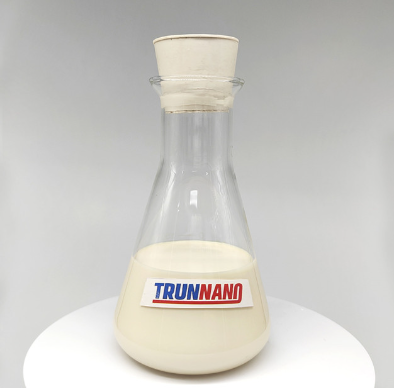
(TRUNNANO Water-Based Release Agent)

Types and Chemical Structure of Launch Representatives

Concrete release agents come in numerous formulations customized to certain application needs, including solvent-based, water-based, emulsified, and responsive types. Water-based agents control the market as a result of their reduced unpredictable natural compound (VOC) discharges, convenience of cleaning, and compatibility with both steel and timber mold and mildews. Solvent-based agents use remarkable launch performance but face regulatory examination as a result of ecological issues. Responsive agents chemically bond with the formwork surface, creating a durable barrier that endures several puts. Emulsified products incorporate oil and water phases to balance performance and safety and security. Each kind is formulated utilizing surfactants, oils, polymers, or waxes to maximize demolding performance without compromising concrete high quality.

Device of Action and Performance Characteristics

The key feature of concrete launch agents is to produce a slim interfacial layer that stops direct bonding in between cement paste and the mold surface. Upon application, the representative creates a physical or chemical obstacle that allows easy removal of the concrete component after treating. High-performance representatives additionally decrease surface flaws such as bugholes, honeycombing, and staining– vital factors to consider in architectural and decorative concrete. Advanced formulas integrate nano-additives and hybrid polymer matrices to improve heat resistance, film toughness, and reusability of formwork. The right selection of release agent can significantly influence production speed, mold durability, and end product looks.

Duty in Precast, Prestressed, and On-Site Concrete Applications

Concrete release representatives are important throughout both precast and cast-in-place construction settings. In precast plants, where mold and mildews are reused thoroughly, reliable release agents guarantee regular item quality and decreased downtime in between cycles. They make it possible for rapid removing of intricate shapes without breaking or surface area damage. In prestressed concrete operations, such as bridge girder production, they promote smooth demolding under high-pressure problems. On building and construction sites, launch representatives sustain faster turn-around times for formwork reuse, especially in large projects entailing columns, beam of lights, and tunnel cellular linings. Their compatibility with automated spraying systems better enhances application uniformity and labor efficiency.

Environmental and Security Considerations

With increasing focus on sustainability and employee security, the industry has actually seen a shift towards eco-friendly and non-toxic release agents. Traditional solvent-based items give off VOCs that contribute to air contamination and position health threats, prompting stricter guidelines and an approach naturally degradable options. Water-based and vegetable-oil-derived agents supply more secure handling, reduced flammability, and decreased environmental impact. In addition, innovations in solution chemistry have resulted in products that leave marginal deposit, minimizing cleansing efforts and wastewater generation. Lots of suppliers now offer low-odor, non-staining, and food-grade accepted choices ideal for delicate applications such as food processing centers and medical care infrastructure.

Technological Developments and Smart Formulations

Current years have actually observed significant technological improvements in concrete release agent development. Nanotechnology-enabled solutions supply boosted obstacle residential properties and thermal stability, enabling usage in extreme spreading problems. Bio-based release agents originated from renewable energies like soybean and rapeseed oils are getting traction as a result of their sustainability credentials. Smart launch movies that respond to temperature or humidity modifications during healing are being checked out to enhance performance consistency. Some next-generation representatives incorporate rust preventions and anti-microbial additives to secure both the formwork and the surrounding setting. These technologies reflect the industry’s commitment to supplying high-performance, smart, and ecologically accountable services.


( TRUNNANO Water-Based Release Agent)

Market Patterns and Sector Fostering Characteristics

The worldwide market for concrete release representatives is broadening quickly, driven by growth in the construction sector, raised adoption of premade building methods, and tightening up environmental regulations. The United States And Canada and Europe stay vital markets as a result of mature building and construction methods and eco-friendly certification requirements such as LEED and BREEAM. Asia-Pacific is becoming a high-growth area fueled by urbanization, framework modernization, and government-led sustainability initiatives. Significant gamers are investing in R&D to establish multi-functional items that incorporate release performance with fringe benefits like mold and mildew resistance, boosted surface area gloss, and extended formwork life. Strategic collaborations in between chemical distributors and construction companies are increasing the integration of advanced release representatives right into mainstream task specifications.

Obstacles and Future Directions in Launch Representative Innovation

Regardless of progression, several obstacles persist in the concrete launch representative industry. Concerns such as uneven application, insufficient drying time, and compatibility with various cementitious products can impact performance end results. There is additionally a demand for standardized testing procedures to assess lasting impacts on concrete resilience and surface treatments. Looking in advance, future developments may consist of AI-driven solution devices, IoT-integrated giving systems, and bioengineered release agents developed for round economic climate versions. The merging of electronic innovations with material science will likely redefine just how release representatives are selected, used, and checked throughout construction operations.

Final thought: Shaping the Future of Concrete Developing with Intelligent Launch Solutions

As the construction market continues its change toward sustainability, automation, and high-performance products, concrete release agents are advancing from straightforward process help into integral elements of modern-day concrete modern technology. Their function extends past facilitating demolding– they influence production efficiency, environmental influence, and end-product high quality. With continuous advancement in formula, application approaches, and smart surveillance, concrete release agents are poised to become smarter, greener, and more incorporated into the broader ecosystem of smart construction. For designers, professionals, and designers alike, selecting the appropriate launch agent is no longer almost functionality– it has to do with enabling the future of precision concrete developing.

Distributor

TRUNNANO is a supplier of water based zinc stearate with over 12 years of experience in nano-building energy conservation and nanotechnology development. It accepts payment via Credit Card, T/T, West Union and Paypal. Trunnano will ship the goods to customers overseas through FedEx, DHL, by air, or by sea. If you want to know more about water based concrete form release agent, please feel free to contact us and send an inquiry(sales5@nanotrun.com).
Tags: concrete release agents, water based release agent,water based mould release agent

All articles and pictures are from the Internet. If there are any copyright issues, please contact us in time to delete.

Inquiry us

Error: Contact form not found.

World

Revolutionizing Concrete Forming: The Science, Innovation, and Sustainability of Concrete Release Agents in Modern Construction concrete admixture

Intro to Concrete Launch Representatives: Making It Possible For Accuracy and Effectiveness in Formwork Demolding

Concrete release representatives are essential chemical formulas utilized in the building and precast concrete sectors to help with the tidy separation of freshly hardened concrete from formwork surface areas. These representatives protect against attachment in between the mold and mildew and the concrete while protecting surface honesty and visual coating. As need expands for top quality building concrete, reusable formwork systems, and lasting building and construction techniques, concrete launch agents have developed beyond basic lubricating substances right into very crafted efficiency remedies that boost productivity, reduce maintenance prices, and assistance ecological conformity.


(TRUNNANO Water-Based Release Agent)

Kinds and Chemical Composition of Release Brokers

Concrete release representatives been available in various solutions customized to particular application requirements, consisting of solvent-based, water-based, emulsified, and reactive types. Water-based agents dominate the market because of their low unpredictable natural compound (VOC) discharges, convenience of clean-up, and compatibility with both steel and timber mold and mildews. Solvent-based representatives supply remarkable release efficiency yet face governing scrutiny due to ecological problems. Responsive representatives chemically bond with the formwork surface, creating a durable obstacle that withstands numerous puts. Emulsified items combine oil and water stages to balance efficiency and safety and security. Each kind is developed making use of surfactants, oils, polymers, or waxes to maximize demolding effectiveness without jeopardizing concrete top quality.

Mechanism of Action and Performance Characteristics

The main function of concrete launch agents is to create a slim interfacial layer that protects against straight bonding between concrete paste and the mold surface. Upon application, the representative forms a physical or chemical barrier that permits easy elimination of the concrete element after treating. High-performance agents additionally reduce surface flaws such as bugholes, honeycombing, and discoloration– important considerations in building and ornamental concrete. Advanced solutions incorporate nano-additives and hybrid polymer matrices to enhance heat resistance, movie toughness, and reusability of formwork. The ideal choice of launch agent can substantially influence production speed, mold and mildew long life, and final product visual appeals.

Role in Precast, Prestressed, and On-Site Concrete Applications

Concrete release agents are important throughout both precast and cast-in-place building and construction atmospheres. In precast plants, where molds are recycled thoroughly, effective release agents make certain consistent product quality and minimized downtime between cycles. They make it possible for rapid removing of complex shapes without chipping or surface damages. In prestressed concrete operations, such as bridge girder manufacturing, they help with smooth demolding under high-pressure problems. On building sites, launch agents support faster turn-around times for formwork reuse, specifically in large-scale jobs entailing columns, beams, and tunnel linings. Their compatibility with automated splashing systems even more enhances application uniformity and labor effectiveness.

Environmental and Security Considerations

With increasing focus on sustainability and worker security, the sector has actually seen a shift toward environmentally friendly and safe release representatives. Typical solvent-based products produce VOCs that add to air contamination and pose wellness risks, motivating stricter regulations and a move toward naturally degradable alternatives. Water-based and vegetable-oil-derived agents supply more secure handling, reduced flammability, and lowered environmental impact. In addition, developments in formula chemistry have actually led to products that leave minimal residue, lowering cleaning initiatives and wastewater generation. Lots of producers currently provide low-odor, non-staining, and food-grade approved alternatives ideal for delicate applications such as food handling facilities and healthcare framework.

Technological Developments and Smart Formulations

Current years have seen considerable technological improvements in concrete release representative development. Nanotechnology-enabled formulations offer improved barrier buildings and thermal security, enabling usage in severe casting problems. Bio-based launch representatives derived from renewable energies like soybean and rapeseed oils are obtaining grip as a result of their sustainability credentials. Smart release films that react to temperature level or moisture changes throughout curing are being checked out to boost efficiency uniformity. Some next-generation agents incorporate deterioration preventions and anti-microbial ingredients to shield both the formwork and the surrounding atmosphere. These innovations show the industry’s dedication to delivering high-performance, smart, and eco responsible remedies.


( TRUNNANO Water-Based Release Agent)

Market Patterns and Industry Fostering Dynamics

The international market for concrete launch representatives is expanding rapidly, driven by development in the construction sector, raised adoption of premade building techniques, and tightening environmental laws. The United States And Canada and Europe stay key markets as a result of mature construction techniques and environment-friendly certification criteria such as LEED and BREEAM. Asia-Pacific is emerging as a high-growth area sustained by urbanization, infrastructure innovation, and government-led sustainability initiatives. Major players are purchasing R&D to establish multi-functional items that incorporate release efficiency with fringe benefits like mold and mildew resistance, boosted surface area gloss, and expanded formwork life. Strategic collaborations in between chemical distributors and building firms are accelerating the assimilation of advanced launch agents right into mainstream task specs.

Challenges and Future Instructions in Launch Representative Technology

In spite of progression, several challenges persist in the concrete launch agent industry. Issues such as uneven application, insufficient drying time, and compatibility with different cementitious products can affect efficiency end results. There is additionally a requirement for standard testing protocols to assess long-lasting effects on concrete sturdiness and surface area treatments. Looking in advance, future growths may include AI-driven formula devices, IoT-integrated giving systems, and bioengineered launch representatives developed for round economic situation models. The convergence of electronic modern technologies with product science will likely redefine how release representatives are chosen, used, and monitored across building and construction workflows.

Final thought: Shaping the Future of Concrete Creating with Intelligent Launch Solutions

As the construction industry continues its change toward sustainability, automation, and high-performance materials, concrete release agents are developing from simple process help right into essential elements of modern-day concrete technology. Their duty expands beyond facilitating demolding– they influence production efficiency, environmental effect, and end-product top quality. With continuous development in solution, application methods, and clever surveillance, concrete launch representatives are positioned to become smarter, greener, and much more incorporated into the broader community of smart building and construction. For engineers, professionals, and architects alike, choosing the best release representative is no more practically capability– it has to do with enabling the future of accuracy concrete developing.

Vendor

TRUNNANO is a supplier of water based zinc stearate with over 12 years of experience in nano-building energy conservation and nanotechnology development. It accepts payment via Credit Card, T/T, West Union and Paypal. Trunnano will ship the goods to customers overseas through FedEx, DHL, by air, or by sea. If you want to know more about concrete admixture, please feel free to contact us and send an inquiry(sales5@nanotrun.com).
Tags: concrete release agents, water based release agent,water based mould release agent

All articles and pictures are from the Internet. If there are any copyright issues, please contact us in time to delete.

Inquiry us

Error: Contact form not found.

World

Tiktok Launches Video Creation Technology, Tool Evolution

TikTok Launches New Video Creation Technology to Boost User Creativity. The popular social media platform TikTok announced today the release of its latest innovation, a video creation tool named “Tool Evolution.” This technology aims to simplify the process of making high-quality videos for users of all skill levels. The update includes features like AI-assisted editing, a larger template library, and enhanced visual effects.


Tiktok Launches Video Creation Technology, Tool Evolution

(Tiktok Launches Video Creation Technology, Tool Evolution)

Tool Evolution allows users to edit clips with minimal effort. The AI analyzes raw footage and suggests cuts, transitions, and pacing adjustments. It also automatically applies filters or sound effects based on the video’s theme. A spokesperson for TikTok stated the goal is to let creators focus on ideas rather than technical challenges. Early tests showed users saved an average of 30 minutes per project compared to manual editing.

The move responds to growing demand for streamlined content creation. Many users previously reported spending hours editing videos to meet TikTok’s fast-paced standards. Tool Evolution reduces time spent on repetitive tasks. It also offers customizable templates for trending formats like tutorials, product reviews, and short skits.

Accessibility remains a priority. The tool is available globally to all TikTok users starting this week. It works on both iOS and Android devices, plus desktop browsers. TikTok plans to add more features based on feedback. A company representative noted, “Creators drive our community. Giving them better tools helps everyone enjoy richer content.”

TikTok has steadily expanded its creative toolkit over the past year. Recent updates introduced improved analytics, cross-platform sharing, and collaboration features. Tool Evolution represents another step in this strategy. The platform continues to invest in technologies that lower barriers to content production while maintaining quality.

User reactions so far appear positive. Many early testers praised the tool’s intuitive design. Some influencers noted it helped them post more consistently without sacrificing engagement. TikTok expects the rollout to increase both user retention and advertiser interest as content diversity grows.


Tiktok Launches Video Creation Technology, Tool Evolution

(Tiktok Launches Video Creation Technology, Tool Evolution)

The company confirmed plans to monitor Tool Evolution’s impact on creator output. Future updates may include deeper integration with third-party editing software and expanded AI training datasets. For now, the focus remains on refining core functions to ensure reliability across devices.

World

Revolutionizing Concrete Reinforcement: The Role and Evolution of Polypropylene Fiber in Modern Construction polypropylene fibres for screed

Intro to Polypropylene Fiber: A Game-Changer in Cementitious Composites

Polypropylene fiber has emerged as a transformative additive in concrete modern technology, providing exceptional fracture control, impact resistance, and resilience without compromising workability or cost-efficiency. As construction needs change toward sustainability, durability, and performance optimization, polypropylene fibers– synthetic, polymer-based filaments– are being increasingly integrated right into cementitious systems to improve mechanical residential properties at both the micro and macro levels. Their extensive fostering shows a broader industry pattern toward advanced composite products that enhance architectural durability while minimizing upkeep and lifecycle costs.


(Polypropylene (PP) Fibers)

Make-up and Physical Characteristics

Polypropylene fiber is stemmed from thermoplastic polyolefin polymers, known for their high chemical resistance, low thickness (0.91 g/cm ³), and hydrophobic nature. These fibers commonly range from 6 mm to 50 mm in length and 10– 50 microns in size, with surface appearances engineered to enhance bonding within the concrete matrix. Unlike steel fibers, polypropylene fibers do not rust, making them excellent for settings revealed to wetness, chlorides, or hostile chemicals. Their melting point (~ 160 ° C) and fairly low modulus of flexibility enable thermal stability and adaptability in dynamic packing conditions. These features make them specifically effective in managing plastic shrinking splitting throughout the beginning of concrete hardening.

Systems of Split Control and Sturdiness Improvement

When uniformly spread throughout the concrete mix, polypropylene fibers function as micro-reinforcement representatives by connecting microcracks that develop throughout hydration and early-age contraction. This device significantly lowers the size and proliferation of fractures, boosting the product’s tensile stamina and power absorption capability. Furthermore, the existence of fibers impedes the access of water, chlorides, and sulfates, thereby boosting resistance to freeze-thaw cycles, corrosion, and chemical attack. In fire-resistant applications, polypropylene fibers play a vital function by creating microchannels during high-temperature direct exposure, enabling vapor pressure to escape and minimizing explosive spalling in structural concrete elements.

Applications Throughout Civil Engineering and Framework Projects

Polypropylene fiber-reinforced concrete (PFRC) is now extensively made use of across varied construction sectors. In tunnel cellular linings and below ground frameworks, it boosts fire resistance and longevity under cyclic loading. In commercial floor covering and sidewalks, PFRC enhances abrasion resistance and load-bearing capability while reducing the need for traditional mesh support. Marine and coastal infrastructure take advantage of its rust resistance in saline atmospheres. In addition, polypropylene fibers are essential to shotcrete applications in incline stabilization and mining because of their capability to boost cohesion and lower rebound. Their compatibility with automated pumping and splashing systems additionally supports effectiveness in massive operations.

Relative Benefits Over Typical Support Methods

Compared to conventional steel reinforcement or artificial alternatives like glass or carbon fibers, polypropylene fibers offer distinctive benefits. They are light-weight, non-corrosive, and chemically inert, removing concerns related to rust staining or degradation in time. Their convenience of blending and dispersion makes certain constant efficiency without calling for customized tools or labor-intensive placement strategies. From a financial viewpoint, polypropylene fibers supply economical support remedies that reduced material usage, reduce upkeep regularity, and expand life span. Furthermore, their environmental nonpartisanship and recyclability align with environment-friendly building criteria and circular economy principles.

Technologies Driving Next-Generation Polypropylene Fiber Technologies

Continuous r & d efforts are pushing the borders of polypropylene fiber efficiency. Surface alteration techniques– consisting of plasma treatment, implanting, and nano-coating– are being checked out to improve interfacial bonding between the fiber and cement matrix. Crossbreed formulas including nano-silica or bio-based polymers aim to boost mechanical efficiency and sustainability. Functionalized fibers with antimicrobial or self-healing residential properties are also under advancement to attend to microbial-induced deterioration and autogenous split repair work in concrete structures. At the same time, smart polypropylene fibers installed with sensing abilities are being examined for real-time architectural health monitoring, signifying a new period of intelligent building products.

Environmental Impact and Sustainability Considerations


( Polypropylene (PP) Fibers)

While polypropylene is originated from petroleum-based feedstocks, innovations in polymer chemistry and recycling technologies are reducing its ecological footprint. Some makers are presenting bio-based polypropylene variants sourced from eco-friendly feedstocks, minimizing reliance on nonrenewable fuel sources. Recyclable fiber-reinforced concrete compounds are likewise obtaining traction, especially in demolition and remodelling projects where recovered products can be reintegrated right into brand-new mixes. Life-cycle evaluations suggest that the long-term sturdiness advantages of polypropylene fiber surpass preliminary manufacturing emissions, placing it as a net-positive factor to sustainable building and construction when used sensibly and successfully.

Market Trends and Worldwide Market Development

The international market for polypropylene fiber in construction is experiencing constant development, driven by increasing demand for sturdy, low-maintenance infrastructure throughout Asia-Pacific, North America, and Europe. Governments and personal designers are significantly adopting fiber-reinforced concrete in transportation networks, urban drainage systems, and disaster-resilient real estate. Technological partnerships in between polymer producers and building and construction firms are accelerating item innovation and application-specific customization. Digital devices such as AI-driven dose optimization and BIM-integrated layout are further enhancing the accuracy and performance of polypropylene fiber applications. As regulatory structures emphasize carbon decrease and source effectiveness, polypropylene fiber is positioned to come to be a typical component in next-generation concrete specifications.

Future Expectation: Integration with Smart and Eco-friendly Building Solution

Looking in advance, polypropylene fiber is set to develop alongside arising fads in smart facilities and lasting construction. Integration with Web of Points (IoT)-allowed surveillance systems will enable real-time feedback on architectural honesty and fiber efficiency. Advancements in naturally degradable polymers might cause completely decomposable fiber variations ideal for short-lived frameworks or ecologically delicate sites. The convergence of polypropylene fiber modern technology with 3D printing, modular construction, and AI-assisted product modeling will certainly unlock new style opportunities and efficiency benchmarks. As the built environment encounters increasing environment and functional obstacles, polypropylene fiber stands apart as a versatile, resistant, and forward-looking solution for enhancing the structures of modern-day people.

Supplier

Cabr-Concrete is a supplier of Concrete Admixture under TRUNNANO with over 12 years of experience in nano-building energy conservation and nanotechnology development. It accepts payment via Credit Card, T/T, West Union and Paypal. TRUNNANO will ship the goods to customers overseas through FedEx, DHL, by air, or by sea. If you are looking for high quality polypropylene fibres for screed, please feel free to contact us and send an inquiry(sales5@nanotrun.com).
Tags: polypropylene fiber, pp fibre, polypropylene fibers for concrete

All articles and pictures are from the Internet. If there are any copyright issues, please contact us in time to delete.

Inquiry us

Error: Contact form not found.